
Germany’s gas thirst
On Sunday, German Chancellor Olaf Scholz told President Tinubu that his country was willing to invest in gas and critical minerals in…

On Sunday, German Chancellor Olaf Scholz told President Tinubu that his country was willing to invest in gas and critical minerals in Nigeria as he started a two-country visit to sub-Saharan Africa. He added that German companies are willing to build railways in Nigeria. On gas, he welcomed Nigeria’s efforts to expand its Liquefied Natural Gas (LNG) capacity. “If we are successful, if there is a better chance of exporting the produced gas, it is then the question for German companies to do their private business,” said Scholz. Mr Tinubu said he encouraged German businesses to invest in pipelines in Nigeria.
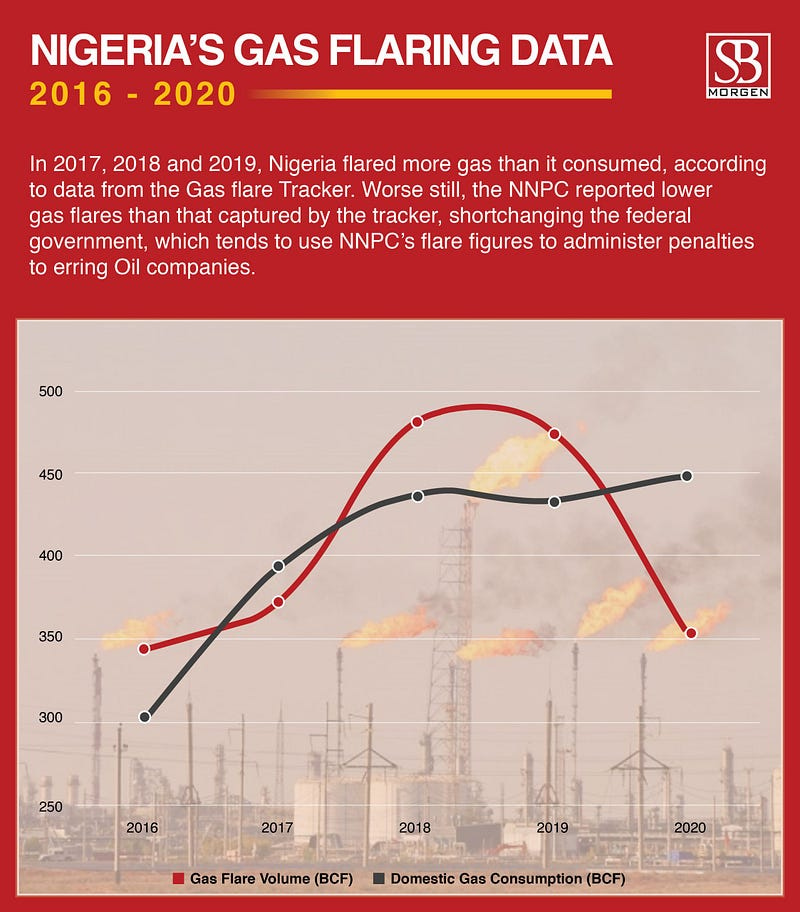
The German economy is currently the largest overall in Europe and the world’s fourth largest based on World Bank figures. Many of its large companies focus on innovative and high-value manufactured products. They occupy niche market leadership positions in numerous B2B segments in key sectors like vehicle, electrical, engineering and chemical production. However, the German economy is currently facing structural challenges that put it at risk of stagflation. Inflation has been driven by sanctions against Russian gas and interest rate hikes by the European Central Bank (ECB). Since the Russia-Ukraine conflict began in February 2022, the European Union has been looking for alternative gas supply sources. A key concern is China’s changing role from being a flourishing export destination for German products to being a rival that is producing goods that compete with the German ones. Thus, Germany must actively pursue growth opportunities in Africa and Nigeria, Africa’s largest economy with a massive infrastructure deficit, is a primary target of this expansion initiative. Countries often invest in sectors where they have a comparative advantage, and since it has been established that Nigeria has more gas resources than crude oil, this would be a good resource to explore intensely. A commitment to purchase gas from Nigeria and invest in pipeline infrastructure is a good sign. However, there are many things to be done before this can translate into “gasodollars“ for Nigeria. The reality is that there are only two reliable routes to deliver gas from Nigeria to Germany. The first involves a trans-Saharan pipeline that traverses from the Niger Delta through Niger, extends via Algeria or Libya into Italy, and finally reaches Germany. The European portion of this pipeline is feasible, but the African portion passes through some of the most unstable parts of the Sahel, significantly reducing its feasibility. The other is the LNG route, which was discussed in this series of meetings. LNG will, of course, be more expensive than piped gas from Russia, hence it will necessarily be an outside option. We believe that Nigeria should vigorously explore all available options, particularly considering its intention to use future income from its gas company, NLNG, as collateral for the $10 billion loan that the coordinating minister, Wale Edun, is presently seeking. Furthermore, Nigeria should prioritise improving its ease of doing business indicators to make the country more attractive to foreign investors. This approach should also extend to strengthening partnerships, especially with neighbouring countries. The relationship between Nigeria and its neighbours is important because the Nigeria-Morocco gas pipeline has been planned to pass through the Niger Republic. Enhancing gas exploration could also have positive implications domestically, as gas is a fundamental component of Nigeria’s energy portfolio, serving as a source for electricity generation, cooking gas and Compressed Natural Gas (CNG) for power generators and vehicles. It is important to highlight the current political feud in Rivers State involving former Governor Nyesom Wike and current Governor Siminalayi Fubara. This situation is detrimental to the business environment, especially considering the state’s significant role in Nigeria’s oil and gas industry. The tussle in Rivers may complicate things and pose a risk to investment decisions. A similar situation to this, which occurred in Ogun State, made the state miss out on the Dangote Refinery project. The political uncertainty in the state led to the relocation of Dangote Refinery from Ogun to Lagos. A disruption of law and order stemming from the leadership in Rivers poses a serious threat to the state’s economic stability and overall security. It is important to remember that non-state actors constantly hover in the shadows, waiting for an opportunity to strike. Nigeria is not the only country with gas resources; Qatar signed a gas supply agreement with the EU after the World Cup. It would be sad for Nigeria to miss out on this opportunity.