
Global reinstatement
Nigerian banks restore international card transactions, easing FX access—GTBank ($1,000/quarter), First Bank ($500/month), Wema Bank reactivates global cards, signalling improved forex stability.

Several Nigerian Deposit Money Banks (DMBs) have reinstated international transactions on Naira-denominated debit cards, signalling improvements in the foreign exchange (FX) environment. GTBank, First Bank, UBA, Wema Bank, and Providus Bank now offer varying limits, with GTBank permitting $1,000 quarterly and First Bank capping usage at $500 monthly. Wema Bank has reactivated its Mastercard, ALAT, and Visa cards for global use. This marks a departure from 2022, when card limits dropped to $20 amid severe dollar shortages. The development aims to ease FX access and rebuild trust in Nigeria’s cross-border payments system, boosting financial flexibility for individuals and businesses alike.
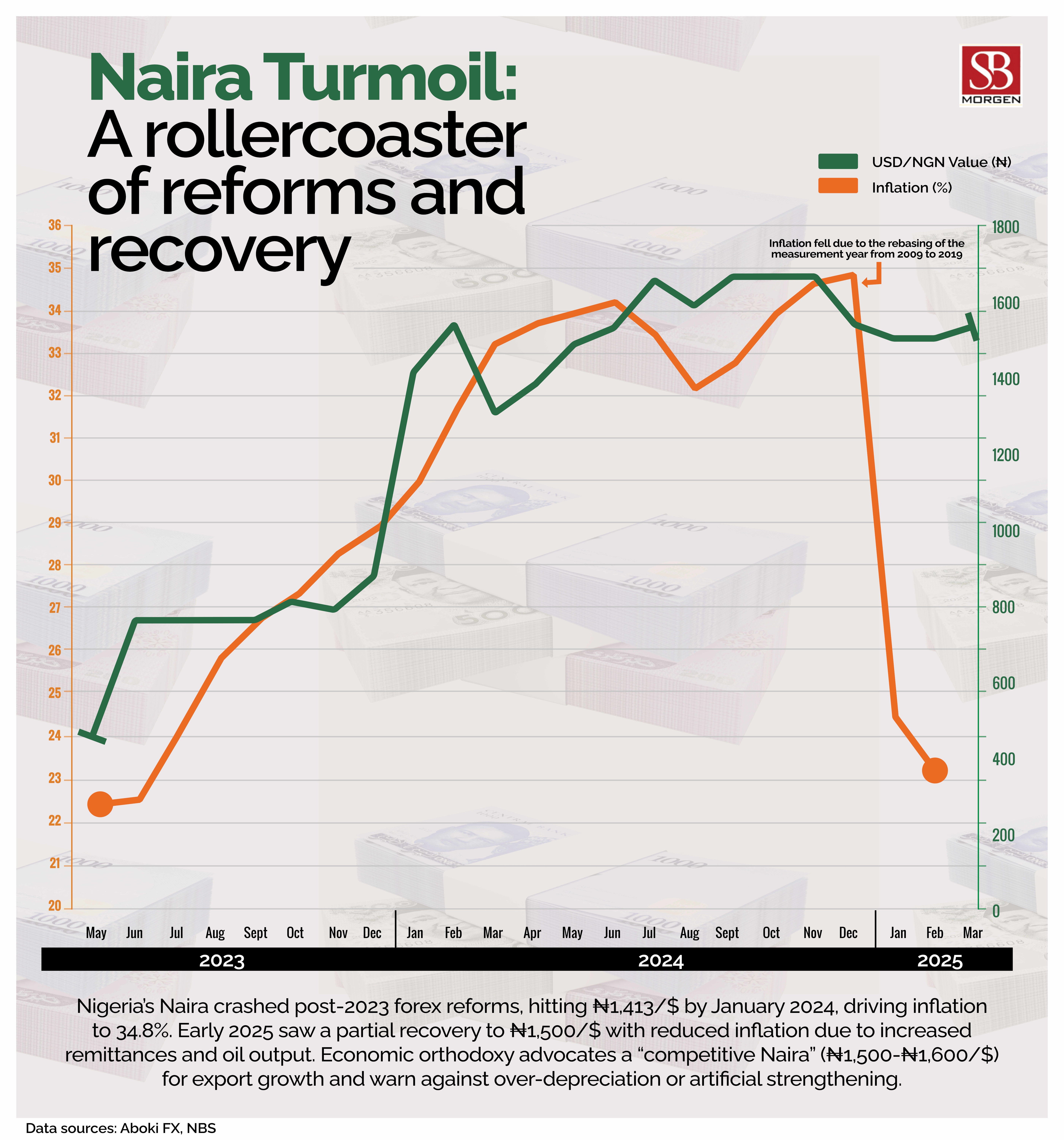
Nigeria's naira has endured a decade of relentless pressure, policy experimentation, and a painful transition towards market-driven exchange rates. From an initial official peg of ₦197/USD in 2015, the CBN maintained rigid controls even as crashing oil prices exposed the currency's severe overvaluation. By mid-2016, the CBN was forced to abandon this peg, leading to a 22% devaluation of the naira and the introduction of a "flexible" regime. However, continuous interventions and the presence of multiple exchange windows—official, interbank, and parallel—only added to the confusion. For years, the naira traded at artificial rates, with the CBN depleting reserves in a bid to defend its value, all while the premium on the parallel market continued to widen.
A significant turning point arrived in 2023 when the CBN attempted to unify the various exchange rates. This policy shift triggered a dramatic 23% single-day crash, pushing the naira to between ₦600 and ₦850/USD. By 2024, chronic dollar scarcity and rampant speculation sent the naira into a freefall, with rates breaching ₦1,500/USD. The CBN responded with aggressive monetary tightening, hiking interest rates to 27.5% by mid-2025, and making efforts to clear outstanding foreign exchange backlogs. Despite these measures, genuine stability has remained elusive.
Recent, cautious rallies in the naira, partly supported by a weaker global dollar and renewed investor optimism, mask deeper structural issues. While some banks have tentatively reinstated international naira card transactions—for example, GTBank's $1,000 quarterly limit—these thresholds are a mere fraction of what was common before 2015. Middle-class Nigerians, severely impacted by rampant inflation and stagnant wages, continue to face de facto exclusion from formal foreign exchange access, often forcing them to rely on unofficial channels.
The overarching lesson from the past decade is clear: half-measures, whether partial liberalisation or ad hoc restrictions, only serve to prolong economic crises. Nigeria's only viable path to lasting foreign exchange stability lies in achieving true price discovery, coupled with robust policies to mitigate the pain of this transition, such as targeted social buffers. Without these fundamental changes, the naira's cycles of volatility and artificial scarcity will inevitably persist, leaving ordinary citizens to bear the brunt of the cost.
The naira's challenging journey underscores a brutal truth: markets cannot be suppressed indefinitely. Nigeria now faces a critical choice between a controlled decline and genuine, comprehensive reform.