
Grounded
Foreign airlines have disclosed that about 90 percent of their $783 million trapped funds have not been paid. According to data from the…

Foreign airlines have disclosed that about 90 percent of their $783 million trapped funds have not been paid. According to data from the International Air Transport Association (IATA), as of August 2023, Nigeria accounted for a substantial $783 million of airlines’ blocked funds. Despite recent efforts to alleviate the situation, the airlines said a significant portion of those funds remained inaccessible to them. The Chairman of International Airline Operators, Mr Chima Kingsley, emphasised that international banks received only accounted for less than 10 percent of the trapped funds. A bulk of the money is with commercial banks.
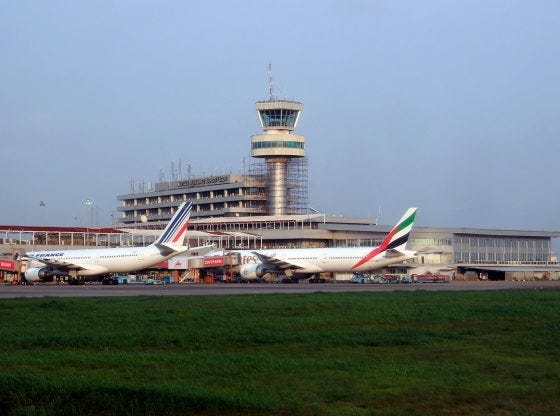
The Tinubu administration is grappling with the harsh realities of a revenue-deprived, foreign exchange-scarce and debt-ridden country. This situation prompted National Security Adviser Nuhu Ribadu to declare that the administration inherited a bankrupt government. The most pressing concern for investors is the foreign exchange scarcity, which discourages them from bringing in foreign currencies due to uncertainty over capital repatriation, returns and exchange rates. Airlines, particularly, incur significant expenses in foreign currencies, including aircraft leasing and maintenance costs, expatriate salaries and fuel for international flights. Unfortunately, Nigeria’s failure to meet its oil production quotas prevents it from capitalising on current high oil prices to generate more revenue. Instead, it must rely on risky securitisation of future cash flows to raise foreign exchange to support the naira. In 2022, the IATA named Nigeria as the world’s most indebted country to foreign airlines. As of June 2023, Nigeria alone owed foreign airlines $812.2 million out of the $2.27 billion owed to airlines by various countries. To recover their funds, the affected airlines have taken drastic actions, such as Emirates Airlines suspending operations in Nigeria and British Airways blocking Nigerian travel agencies from their distribution system. These actions have had a severe impact on the country’s aviation industry, causing disruptions for travellers and exacerbating the government’s debt problem. Since President Tinubu took office, there have been many statements from senior government officials, including ministers, about paying off the debt. However, this report has shown that such statements mean nothing if they are not backed up by actual payments. This lack of follow-through undermines the government’s credibility and makes it more difficult to believe future statements. The sooner we learn that governance is not propaganda, the better for us all. The Tinubu administration must assess the problems it has inherited, find the necessary resources and act decisively to address them.