
Growing pains
The Chief Executive Officer (CEO) of COCOBOD, Joseph Boahene Aidoo, has stated that the recent spike in cocoa prices at the international…

The Chief Executive Officer (CEO) of COCOBOD, Joseph Boahene Aidoo, has stated that the recent spike in cocoa prices at the international level was caused by a decline in production in the main producer countries, Cote d’Ivoire and Ghana. While at the second delegates conference of the Cocoa Research Institute Workers Union (CRIWU-TUC) at New Tafo in the Abuakwa North Municipality in the Eastern Region, Mr Aidoo said the decline was due to climate change, especially the rainy season, which was shorter than it used to be and the intensity of heat. He said the inadequate rainfall affected the cocoa yields.
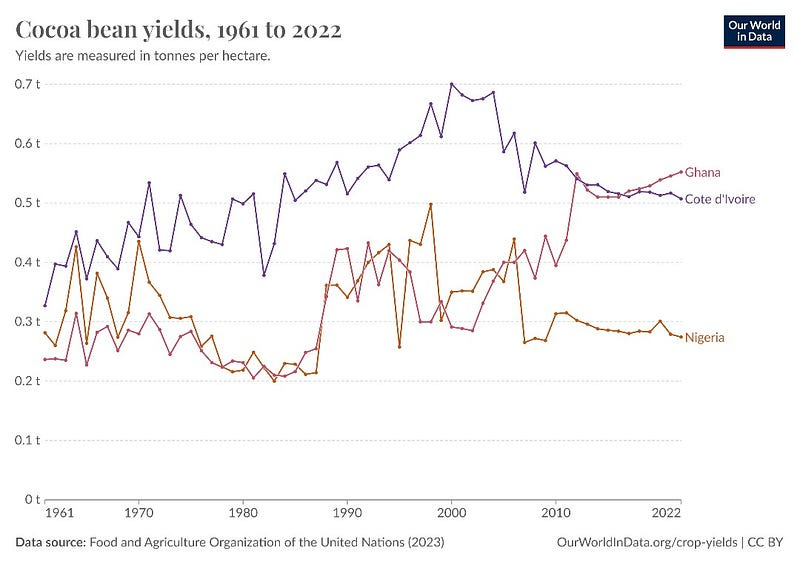
The cocoa industry faces its third consecutive year of shortages and a liquidity crisis, leading to unpredictable price fluctuations. Prices have increased by over 100% this year, surpassing $11,000 per ton, placing cocoa higher than copper. Adverse weather conditions, ageing cocoa trees and crop diseases have significantly reduced this season’s output, resulting in bean deliveries from Ghana and Ivory Coast delays. Ghana and Ivory Coast, accounting for more than half of global cocoa supplies, typically sell up to 80% of their cocoa harvest before the October harvest begins. These sales in advance, known as forward sales, enable the countries to ensure a minimum price for cocoa farmers, many of whom still live below the poverty line. Traders are facing a shortage of funds due to a significant price surge, which requires them to allocate more money to support their futures positions. Consequently, numerous traders and chocolate companies now choose to postpone their bean purchases for the upcoming season. This reluctance stems from a lack of confidence among market participants in fulfilling forward contracts, compounded by uncertainty regarding the size of the next crop. This development is concerning for Ghana and Ivory Coast, as the shortfall in bean supply could significantly impact foreign exchange inflows for the remainder of 2024 and throughout 2025. For example, Ghana typically leverages high cocoa bean yields to justify its cocoa-syndicated loans, which previously generated over a billion dollars each crop season. However, due to external debt rework activities and anticipated low cocoa yields this season, Ghana’s efforts to secure capital from the international market have encountered obstacles. Instead of the usual one to two billion dollars, Ghana’s lead arrangers raised only $800 million, with just $600 million disbursed thus far. The ongoing challenges that hindered Ghana and Ivory Coast from meeting their supply goals persist for the upcoming 2024/2025 crop season. Additionally, certain traders’ recent choice to postpone purchases poses a risk to these major cocoa-producing countries. Ghana, in particular, aims to avoid encountering similar obstacles in the cocoa-syndicated loan market, as its lead arrangers are optimistic about securing a larger deal exceeding the $800 million obtained this season. The central question remains: How can Accra persuade investors to invest in the cocoa sector when the guarantee of sufficient bean supply is uncertain?