
Hard knocks
PZ Cussons posted its first annual loss since 2020, despite a 34% revenue growth to ₦152.24 billion ($92.3 million) due to a significant…

PZ Cussons posted its first annual loss since 2020, despite a 34% revenue growth to ₦152.24 billion ($92.3 million) due to a significant tax burden of ₦76.02 billion and a 3,000% surge in foreign exchange losses, rising to ₦157.9 billion. Meanwhile, the Manufacturers Association of Nigeria (MAN) called for reducing the alleged 200% electricity tariff hike to 40%, citing declining production and GDP as inflationary pressures. Additionally, the Federal Competition and Consumer Protection Commission (FCCPC) criticised exploitative pricing in Nigeria, giving traders a one-month moratorium to adjust prices.
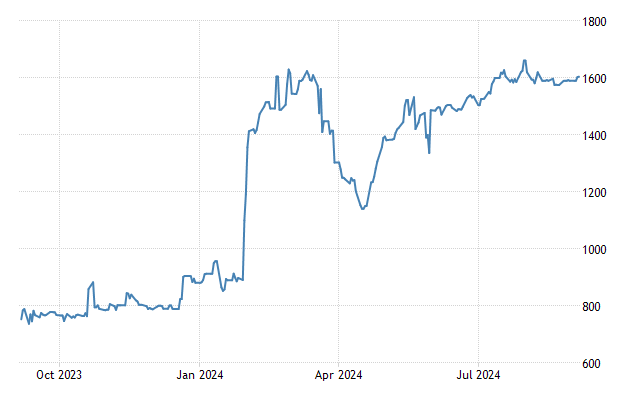
The devaluation of the Naira from $460 to $907 between May and December 2023 had significant but varying implications for banks and manufacturing companies. The banks, which had substantial FX as assets on their balance sheets, enjoyed appreciation (which the government wants to subject to windfall tax). However, manufacturers who had borrowed FX to trade or had trade payables suffered losses as those obligations sat on their balance sheets as liabilities. In addition, many of these companies were unable to pass the full cost of price increases to consumers who simply could not afford to pay due to the rising cost of living. Essentially, the Nigerian economic landscape has changed drastically in the past year, and many investors are reconsidering their business strategies. While the FCPC has since walked back its directive due to public reactions, the inclination of the government and its agents to attempt price controls on outputs instead of dealing with the inputs that drive the final price is clear. As energy costs soar and foreign exchange rates hike up, it was inevitable that those in the real sector who could not hedge and needed to continue paying for raw materials and machinery in FX while being limited in how high they can increase prices due to already high inflation would inevitably bear losses. The government has yet to offer any support for these firms. Instead, it has fixated on applying a retroactive tax to those who made gains despite admitting that this was due to government policy failures. What is likely next is a combination of further price increases driving inflation up and changes in input and quality of products to cut costs.