
High and dry
Police officers from the Concerned Police Inspectors in Nigeria visited the Correspondent Chapel of the Nigeria Union of Journalists on…

Police officers from the Concerned Police Inspectors in Nigeria visited the Correspondent Chapel of the Nigeria Union of Journalists on Asutan Street, Uyo, Akwa Ibom State, to protest the non-payment of 11 months’ salary arrears. These officers, representing various police formations, lamented that their morale in fighting crime had been dampened by the police authorities’ lack of commitment to their welfare. The officers, noting that about 1,500 of them had been promoted from Inspector II to Inspector I, appealed to the IGP, Kayode Egbetokun, to ensure payment for the affected officers, as their families are struggling with harsh socio-economic realities.
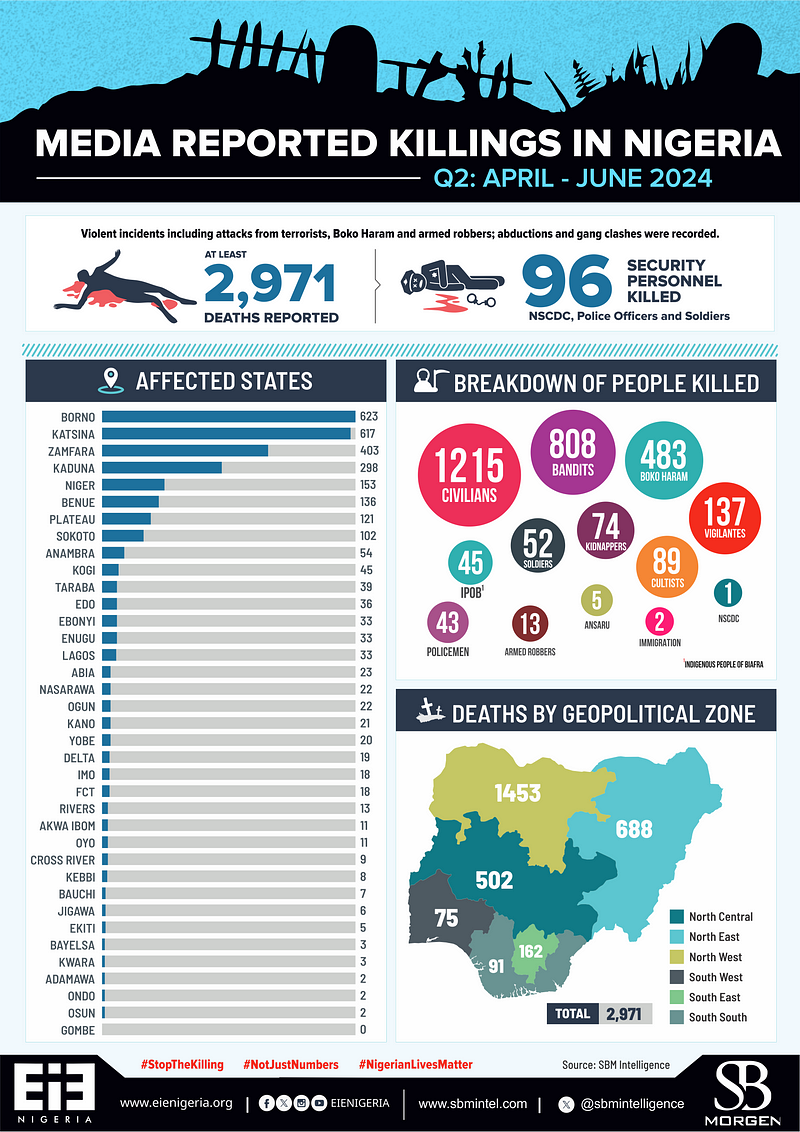
The international poverty line defined by the United Nations sets a critical benchmark for assessing extreme poverty worldwide. Currently established at $2.15 per day, this threshold represents the minimum income necessary for individuals to cover essential needs. This translates to approximately $60 per month, a figure used globally to evaluate poverty levels. In Nigeria, however, this figure is almost twice the minimum monthly income of some Nigerian policemen who earn ₦43,923, roughly $30. There have been years of under-investment by successive governments, especially the military, which sought to weaken potential challengers. Unlike the military, paramilitary agencies are often underfunded, limiting their crime-fighting capabilities. The police rarely receive allocated funds fully, partly due to the low priority of police welfare and corruption at the leadership level, which undermines effective financial management. As of 2018, 80% of police officers were attached to VIPs for protection duties. Despite successive inspectors general of police outlawing the practice on assumption of office, it has largely persisted because these deployments are not free–the police hierarchy up to the IG’s level gets its share, which is not officially accounted for. In 2019, the Punch newspaper reported that an estimated ₦135 billion, generated from attaching police officers to VIPs, banks, and other corporate organisations, was unaccounted for. If correctly accounted for, a lot could be done with these funds, and it could go quite a long way in plugging these gaps in police welfare. The situation becomes even more dire, considering many officers have not been paid for nearly 11 months. While it may be challenging to secure the payment of overdue salaries for the protesting officers due to the government’s other priorities, the poor security situation in the country clearly shows that the government cannot afford to continue neglecting police welfare. Fair compensation is essential for building an effective security apparatus. Adequate wages attract and retain qualified personnel, motivate officers, reduce corruption and ensure a professional police force. The current underpayment of officers threatens Nigeria’s security, forcing them to choose between upholding the law and survival, thereby fostering corruption and eroding public trust. To address this, Nigeria must urgently reform police compensation as a critical investment in national security, not as a matter of charity. Without swift action, the country’s security challenges will worsen. The question is not whether Nigeria can afford to pay its police officers fairly. The real question is: Can Nigeria afford not to?