
Highway to nowhere
The Federal Government of Nigeria has announced its decision to halt the proposed realignment of the Lagos-Calabar Coastal Highway due to…

The Federal Government of Nigeria has announced its decision to halt the proposed realignment of the Lagos-Calabar Coastal Highway due to submarine cables along the coastline. At a stakeholders meeting in Lagos, Minister of Works Dave Umahi confirmed the decision, citing the unavailability of the Environmental Impact Assessment (EIA) and referencing Section 15(b) of the Freedom of Information Act to withhold information. Telecommunication companies had warned of potential network outages if the diversion proceeded. The government is now considering alternatives to ensure the continuation of the Lagos-Calabar Coastal Highway.
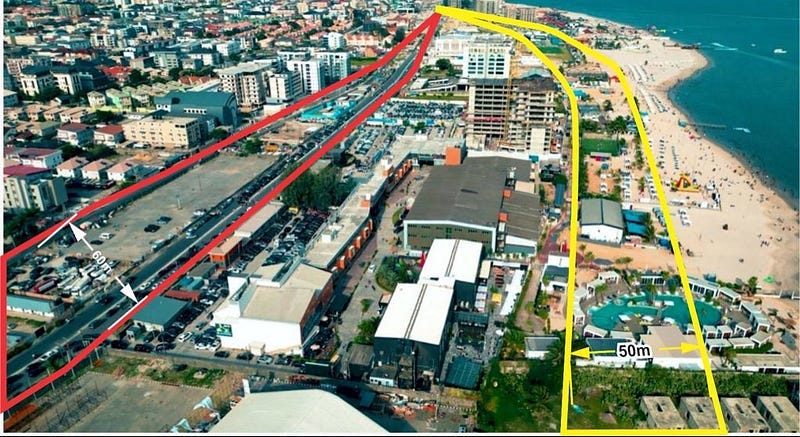
The Lagos-Calabar coastal highway project, designed to stretch 700 kilometres and pass through nine states, is a monumental endeavour that could take the best part of a decade to complete. So, it is shocking that the government hastened to start the project without conducting an extensive Environmental Impact Assessment (EIA), which is in line with Nigerian law and global best practices. Policymaking (including the decision to execute certain projects) follows a cycle. First comes agenda setting, where various stakeholders provide inputs and suggestions on the policy direction. Next is the formulation, followed by adoption, before transitioning to the policy implementation stage and, ultimately, evaluation. However, the reverse is the case in Nigeria. It is public knowledge that submarine cables traverse the Lagos coastline and other infrastructure like the now-demolished Landmark Beach. This oversight is especially surprising given that any major coastal development should consider the existence of submarine cables essential for bringing the Internet into Nigeria. Missing this crucial detail from the outset points to a significant gap in the project’s initial planning. The project also suffered from a lack of transparency and accountability due to the withholding of the Environmental Impact Assessment (EIA) from the public. An EIA is vital for uncovering potential environmental and social impacts; public consultations ensure these impacts are thoroughly considered. Without a complete and open EIA, the project moved forward without fully understanding or mitigating its potential negative consequences. The planners’ failure to adequately consider the risks posed by undersea cables further underscores the project’s lack of preparation. A thorough risk assessment should have identified this challenge, prompting the exploration of alternative routes or mitigation strategies. Instead, this oversight led to avoidable complications and delays. The lack of preparation and consultation had tangible and costly consequences. The Oniru Beachfront, developed with investments worth over $50 million, was unnecessarily destroyed due to the project. This beachfront strip, a significant asset to the local economy and community, was lost due to the project’s hasty and ill-considered execution. The destruction represents a financial loss and a setback for the region’s development and tourism potential. Additionally, the quick award of the Lagos portion of the project to Hitech Construction Company Limited, apparently without proper competitive bidding as required by Nigeria’s due process legislation, raises more questions than answers about the underlying intentions of major actors in the federal government. The handling of the Lagos-Calabar Coastal Highway realignment project serves as a stark example of the consequences of inadequate planning and stakeholder engagement. The failure to account for submarine cables and the unnecessary destruction of valuable beachfront property highlights the need for more meticulous and inclusive preparatory processes in future infrastructure projects. These missteps have resulted in wasted resources and undermined public trust in the government’s ability to manage large-scale developments effectively.