
Homecoming
The Igbo socio-cultural organisation, Ohanaeze Ndi Igbo, has urged ethnic Igbos residing in Lagos State to relocate their investments to…

The Igbo socio-cultural organisation, Ohanaeze Ndi Igbo, has urged ethnic Igbos residing in Lagos State to relocate their investments to the Southeast geopolitical zone. Ohanaeze said cities like Aba, Abakiliki and Onitsha have immense growth potential; hence, Igbos should consider investing in these areas. The factional Secretary-General of Ohanaeze, Okechukwu Isiguzoro, said, “Ohanaeze Ndi Igbo encourages Igbos to seize this moment as an opportunity to reassess their investments and consider relocating them to the Eastern region.”
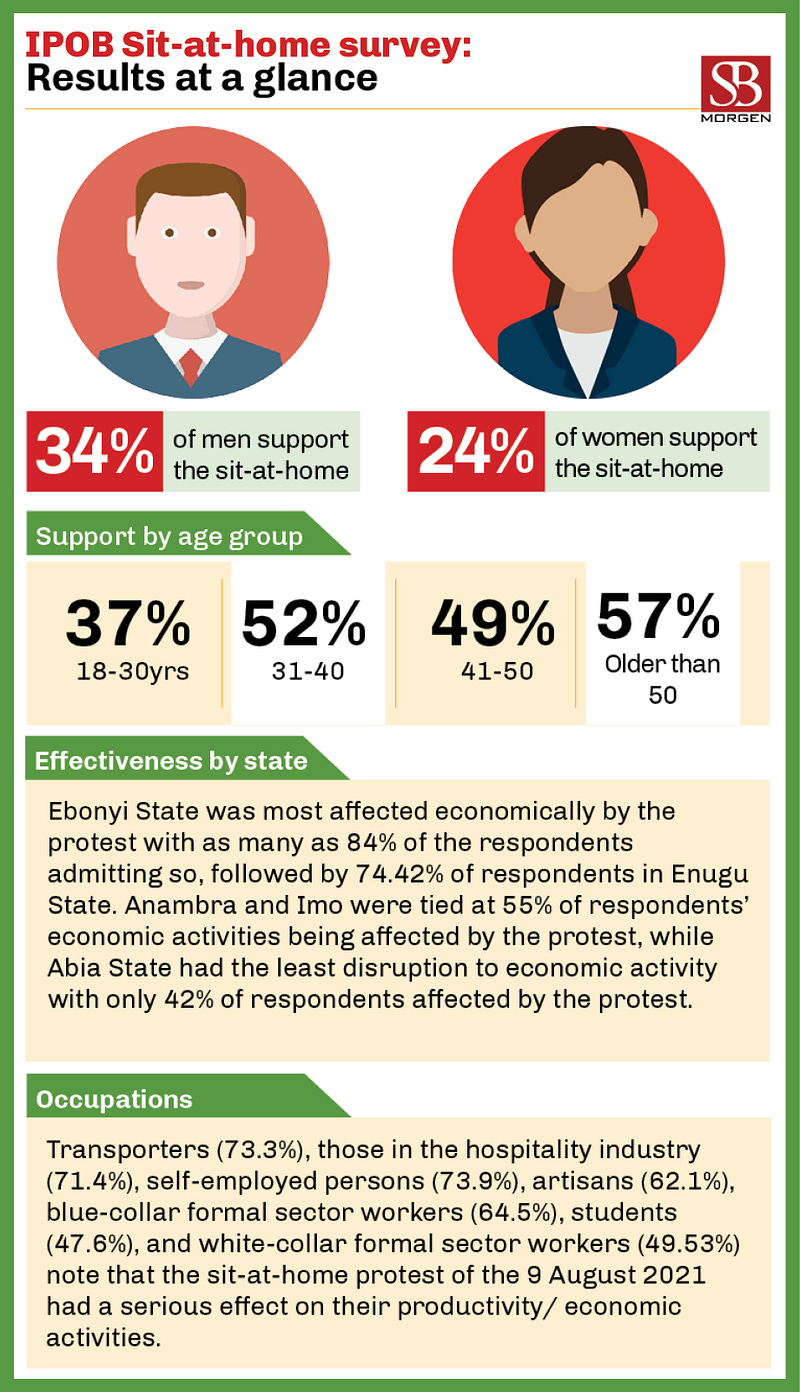
This prompt has been a long time coming. One of the remote causes of this is the widespread Igbophobia in Nigeria that has made doing business a cumbersome activity for ethnic Igbos. The resentment that contributed to the Nigerian Civil War of 1967–1970 never fully went away, sometimes manifesting itself in official government policy, beginning with the £20 payments to residents of the former Biafra Republic, among others. The recent tensions in Lagos were ignited by the demolition of properties that ethnic Igbos reportedly own in Lekki and surrounding areas. The state government has sought to legitimise this demolition by asserting that these properties are built on waterways that exacerbate flooding during the rainy season. This explanation has not served to calm frayed nerves. Notably, in October, a former national football team striker, Emmanuel Emenike, urged his fellow Igbos to “move their investments to the East” hours after his property was demolished. The root cause of the present sentiments cannot be divorced from the 2023 general elections in which both federal and state elections held in Lagos were ethnically embittered following the allegedly state-sanctioned disenfranchisement of Igbo voters — an unofficial policy of the Lagos establishment of the All Progressives Congress. In more pristine circumstances, Ohanaeze’s call would have been heeded by a massive positive response. However, these are not pristine circumstances, especially not for the Southeast, which, for the better part of the past four years, has had to deal with the resurgence of violent separatist agitation by the Indigenous People of Biafra and now, the Biafra Liberation Army. Before IPOB and the BLA, there was the Movement for the Actualisation of the Sovereign State of Biafra, MASSOB, whose violence affected businesses and investment in the Southeast. A common thread connecting all three issues is the absence of economic development in the region, which has fuelled the rise of increasingly violent separatist groups. Investments cannot be secured in a climate of insecurity. Also important is the fact that Ohanaeze’s call differs from the priorities of many elected officials in the region, reflecting the tense realities in Imo State. Governor Uzodinma’s unpopularity has fuelled business exodus, while the state’s insecurity has further eroded confidence. Ohanaeze’s call, though an attempt to salvage a dire situation, may prove ineffective if it overlooks other critical issues like infrastructure and road development. What incentives have the leadership of the Southeastern states put in place to attract these investments? Or do they feel entitled to them simply because the investors are Igbo? The pertinent problems of infrastructure, insecurity, government extortion and market roads must be addressed. Investors will respond if they see real work on these issues beyond rhetoric. The Southeast lacks preparedness for a mass influx. For successful mass migration, there must be improved security, enhanced infrastructure, business-friendly policies, skills development and effective governance. If these conditions are fully met in the Southeast, the region will be more conducive for business. Rather than promoting unrealistic expectations, stakeholders should focus on policies addressing the root causes of economic and security challenges. We advise that Ohanaeze advocates for realistic policies and initiatives and avoid resorting to hasty mass migration calls.