
Identity’s debt
The National Identity Management Commission’s (NIMC) failure to pay the two-year outstanding debt owed to its front-end partners is…

The National Identity Management Commission’s (NIMC) failure to pay the two-year outstanding debt owed to its front-end partners is threatening the enrollment of Nigerians for the National Identity Numbers (NIN) biometric capturing. Despite the agreement to pay them monthly, they only received payment for six months in 2021 after which the management of NIMC has consistently failed to redeem its financial obligations. The media adviser to NIMC’s Director General, Ayodele Babalola, said the new management was determined to carry out a process of re-validation of the partners to ensure “the highest standards of data security and compliance,” hence the delay.
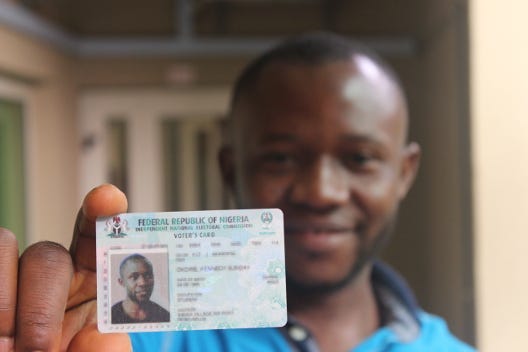
It is abysmal that NIMC, an organisation entrusted with the critical task of managing national identity, is failing to meet its financial obligations to its partners. The NIMC scheme has been plagued with challenges from its inception, due to a lack of transparency and corrupt practices. A decade ago, an initiative by the Jonathan administration to brand plastic cards with MasterCard’s logo drew significant backlash among Nigerians, and the idea was discarded. Eventually, following reports of massive racketeering by officials and plans to charge Nigerians for card issuance, the Buhari administration discarded the printed cards altogether and opted for digital identification cards. The FG then drove the adoption of NINs across the board, including tying the NINs to the issuance of international passports and access to other government services. With NIN issuance now free, the NIMC relies entirely on government funding, making it difficult for the agency to meet its financial obligations. Considering the importance of NINs, the government must ensure that funds are made available to the NIMC, but with adequate oversight. Also, the backlog of unpaid fees, coupled with the financial penalties incurred due to these delays, demands immediate action. Urgent measures must be implemented to clear these outstanding payments and establish a robust system for ensuring timely settlements going forward.