
Illicit affairs
Singapore’s Olam Group on Monday denied the Nigerian media’s reports last week, alleging that its units in the African country were…

Singapore’s Olam Group on Monday denied the Nigerian media’s reports last week, alleging that its units in the African country were involved in a multi-billion dollar foreign exchange fraud of more than $50 billion. The Daily Nigerian and Prime Business Africa reported that the company’s units, Olam Nigeria and Olam International, and their associate firms were being investigated. The reports also alleged that some of the companies had “fictitious Nigerians as directors” and that authorities have “uncovered a chain of shell companies” linked to Olam, among others. However, the company said it had directed its audit committee to review the matter.
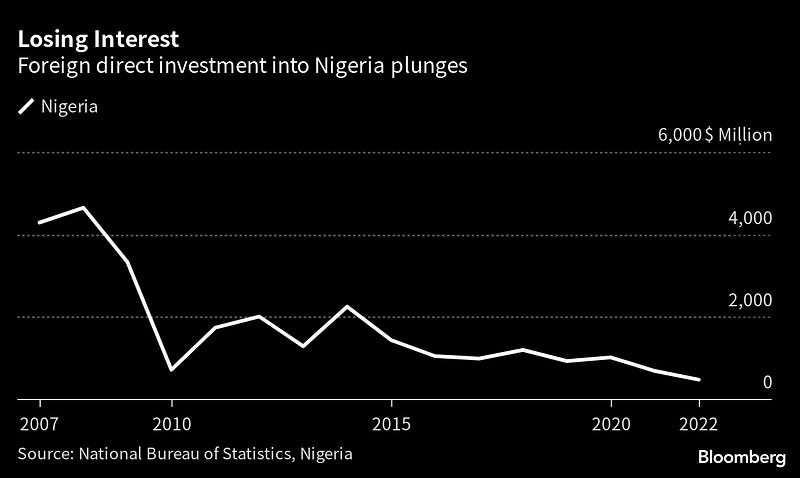
As expected, Olam has denied any wrongdoing, so it will be up to the CBN and various security agencies to prove or disprove the allegations. That said, the round-tripping in Nigeria’s FX market has been long documented. In 2016, the then-Emir of Kano and a former CBN Governor, Lamido Sanusi, accused then-President Buhari of creating billionaires through an FX subsidy while falsely telling Nigerians that the policy was to help the poor. The fact is that people always profit from price arbitrage, and government policies that produce such opportunities only hurt the economy. Generally, everyone should be concerned about potential political motivations and the investigation’s fairness. The allegations against Olam parallel the MTN case, where a multinational faced forex violation accusations, leading to a record $5.2 billion fine from the Nigerian government. That fine was perceived by most, including us, as politically driven. Both the Olam and MTN cases share similarities. They involve multinationals accused of forex violations in Nigeria. Both emerged in the early days of an APC administration’s tenure as it sought to find money to run the country. If the international business community views these allegations as government-backed extortion, Nigeria’s reputation as an investment destination may suffer. Foreign investors may shy away, fearing corrupt government targeting, potentially harming Nigeria’s economy and capital attraction. To safeguard its reputation and foreign investment appeal, the Nigerian government must address these concerns promptly, including by getting the EFCC, the specialist organisation for financial crimes, involved in the investigation. The secret police are not equipped to deal with financial crimes. A failure to act could eventually lead to a downgrade in Nigeria’s credit rating, increased borrowing costs, economic slowdown and reduced business confidence, all detrimental to the country’s well-being.