
In deadlock
Labour unions have rejected the Federal Government’s latest offer of ₦54,000 ($36.24) monthly minimum wage during Tuesday’s national…

Labour unions have rejected the Federal Government’s latest offer of ₦54,000 ($36.24) monthly minimum wage during Tuesday’s national minimum wage negotiation, making it the third time the Nigeria Labour Congress, the Trade Union Congress and government representatives would fail to find common ground on the national minimum wage. Last week, the labour leaders walked out of a meeting hosted by the tripartite committee on minimum wage negotiation after the Federal Government offered to pay ₦48,000. At the same time, the Organised Private Sector made an initial offer of ₦54,000 in response to the unions’ proposed ₦615,000. The Nigeria Labour Congress insisted on ₦615,000 as the minimum wage.
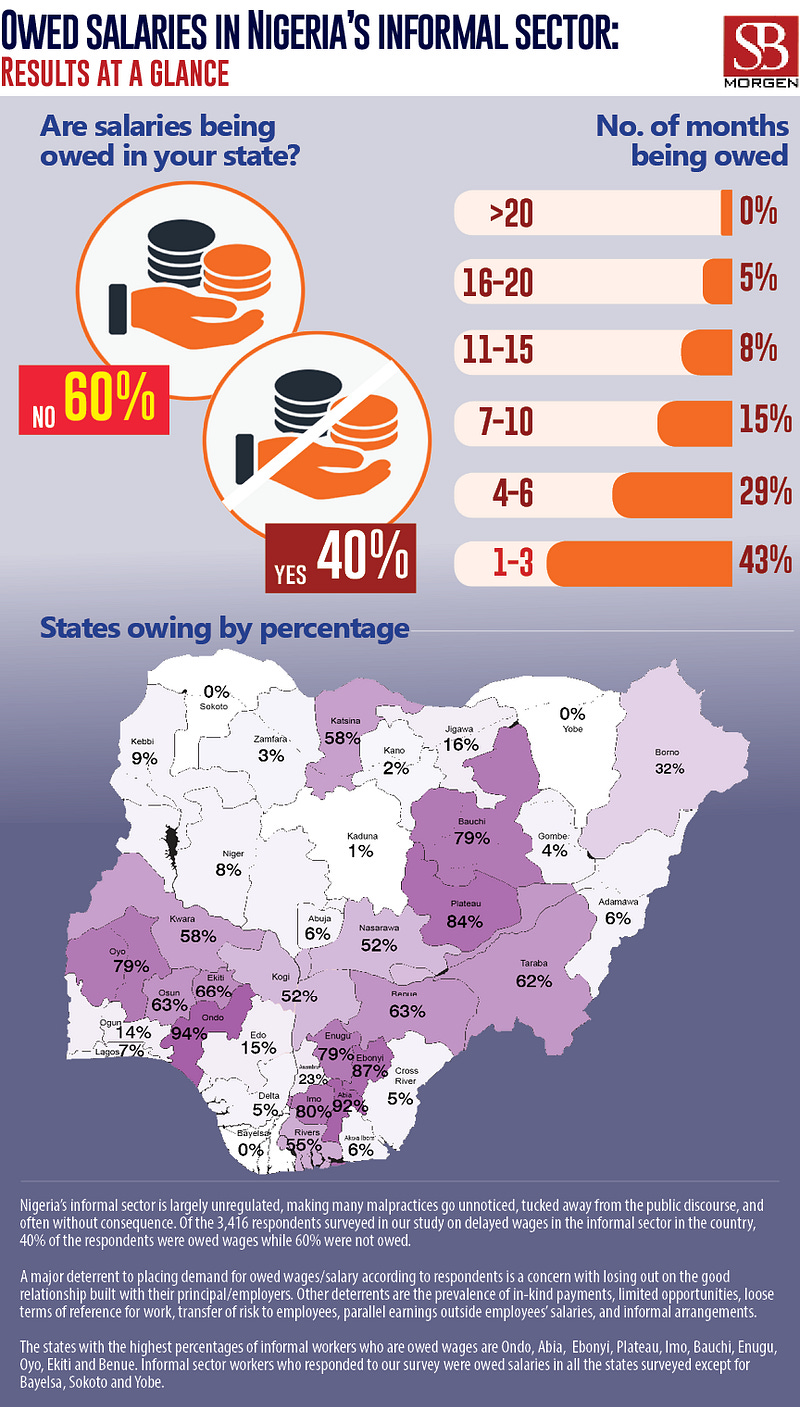
In an ideal federal system of government, the federating units should have more power and independence to control resources, have independent law enforcement agencies, and fix minimum wage in line with their resources. However, after many decades of military rule, the Nigerian state still practices concentration of power at the centre. As the federal government negotiates a national minimum wage on behalf of all state and local governments, it must consider the capacity of these subnational entities before making commitments. This is particularly crucial given reports indicating that some states are still struggling to fully implement the existing minimum wage (₦30,000). Factors contributing to this challenge include the presence of economically unproductive states and past administrations’ poor decision-making, which has led to an overburdened civil service. At the current government proposal, all workers on the minimum wage will be below the globally agreed poverty line, as ₦54,000 translates to a $1.20 daily income, 60% of the $2 poverty line. A minimum wage that keeps earners in poverty is not good enough, so the unions must advocate for fair wages for their members, but they also need to acknowledge the challenges faced by the government. Labour’s current demands should be seen as a negotiation tactic, aiming high to push the government and private sector to increase their offers. No business or government entity in today’s Nigeria can afford a ₦615,000 minimum wage. Regrettably, previous minimum wage rates remain largely unimplemented, with the government having limited capacity to enforce them in the informal sector, where most Nigerians work. Labour should demand measures to address this issue instead of solely focusing on agreeing to a new figure that may suffer the same fate as previous ones. Both parties must be willing to make concessions to reach a compromise that may not be perfect but represents an improvement over the current situation.