
Indigenous gains
Ghana National Gas Company saved $250 million by replacing Sinopec engineers with a Ghanaian team under its indigenisation strategy…

Ghana National Gas Company saved $250 million by replacing Sinopec engineers with a Ghanaian team under its indigenisation strategy, creating about 1,000 jobs and enhancing operational efficiency. CEO Dr Ben Asante highlighted milestones since 2017, including three major maintenance projects. Meanwhile, Ghana’s National Pensions Regulatory Authority (NPRA) has restricted private pension fund managers from investing in offshore assets, citing concerns over cedi pressure. Fund managers, holding $5 million in offshore assets, expressed frustration over unclear legal grounds for the restrictions. NPRA head John Kwaning Mbroh stated offshore investments require government approval, denying resistance to such investments.
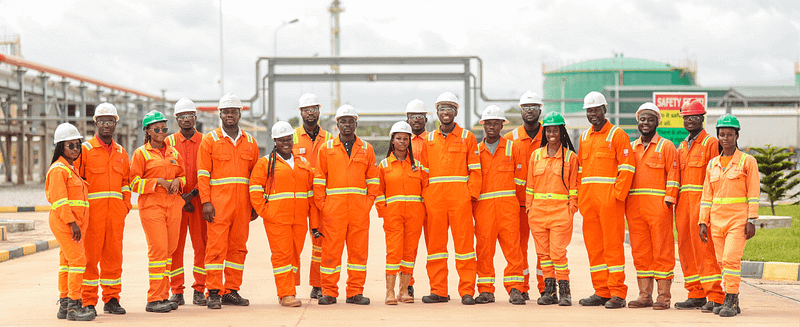
Ghana Gas’s decision to fully indigenise its operations has proven to be a significant milestone in the country’s pursuit of economic self-reliance. By replacing Sinopec engineers with a local team, the company has saved $250 million — a remarkable achievement that underscores the potential of homegrown expertise. Beyond the cost savings, the indigenisation strategy has created approximately 1,000 jobs, spanning permanent and contract roles, and helped develop technical skills in the energy sector. This move has not only fostered operational efficiency but also aligned with broader national goals of reducing dependency on foreign expertise. The successful execution of three major maintenance projects by the Ghanaian team further highlights the viability of such an approach. However, sustaining these gains will require ongoing investments in training and technology to ensure local professionals remain competitive in a rapidly evolving energy landscape. Ghana is steadily establishing itself as a leader in promoting local content in the oil and gas sector within West Africa. With approximately 64% of Ghana’s electricity mix reliant on thermal sources, an affordable and reliable gas supply is crucial for energy security and economic growth. Beyond Ghana Gas, the rise of Springfield Exploration and Production, the nation’s first wholly indigenous oil company, showcases the potential of local expertise in the upstream sector. Springfield’s groundbreaking discovery in 2019 of over 1.5 billion barrels of oil and 0.7 trillion cubic feet of natural gas in the West Cape Three Points Block 2 demonstrates the competitiveness of Ghanaian firms in exploration and production. The broader impact of this shift extends beyond Ghana Gas. It serves as an example of how local capacity building can drive economic transformation. The strategy dovetails with initiatives like the African Continental Free Trade Area (AfCFTA), emphasising regional integration and homegrown solutions to developmental challenges. The regional collaboration further enhances these efforts, as seen in Ghana’s adoption of Dangote fuel, produced by Nigeria’s Dangote Refinery, reinforcing economic resilience within the ECOWAS bloc. While local content strategies have yielded impressive results, challenges persist. Regulatory actions, such as restrictions on offshore pension fund investments to stabilise the cedi, underscore the delicate balance between fostering domestic growth and maintaining macroeconomic stability. By restricting new offshore investments, regulators aim to reduce capital flight and encourage using pension funds to support domestic economic growth. While this policy has some merits, it has also sparked tensions with fund managers, who argue that there is no clear legal basis for the restrictions. The lack of regulatory clarity risks undermining investor confidence, especially as fund managers seek to diversify their portfolios and protect pensioners from domestic financial risks. This move by the National Pensions Regulatory Authority (NPRA) underscores a broader dilemma: balancing the need for macroeconomic stability with the flexibility required for optimal investment strategies. Limiting offshore investments may protect the cedi in the short term, but it could expose pension funds to higher risks if domestic economic conditions worsen. Additionally, forcing funds to concentrate investments locally could limit returns, especially in a volatile economic environment. The success of Ghana Gas’s indigenisation strategy illustrates how localising value creation can reduce costs, create jobs, and build resilience. Conversely, the challenges private pension fund managers face reveal the complexities of protecting the local economy while maintaining investment flexibility. As Ghana navigates these competing priorities, clear and cohesive policies will be critical to sustaining economic growth and fostering investor confidence. Both cases underscore the importance of capacity building, transparency, and a balanced approach to economic self-reliance.