
INEC’s uphill task
The Independent National Electoral Commission (INEC) has postponed the governorship and state assembly elections, previously slated for 11…

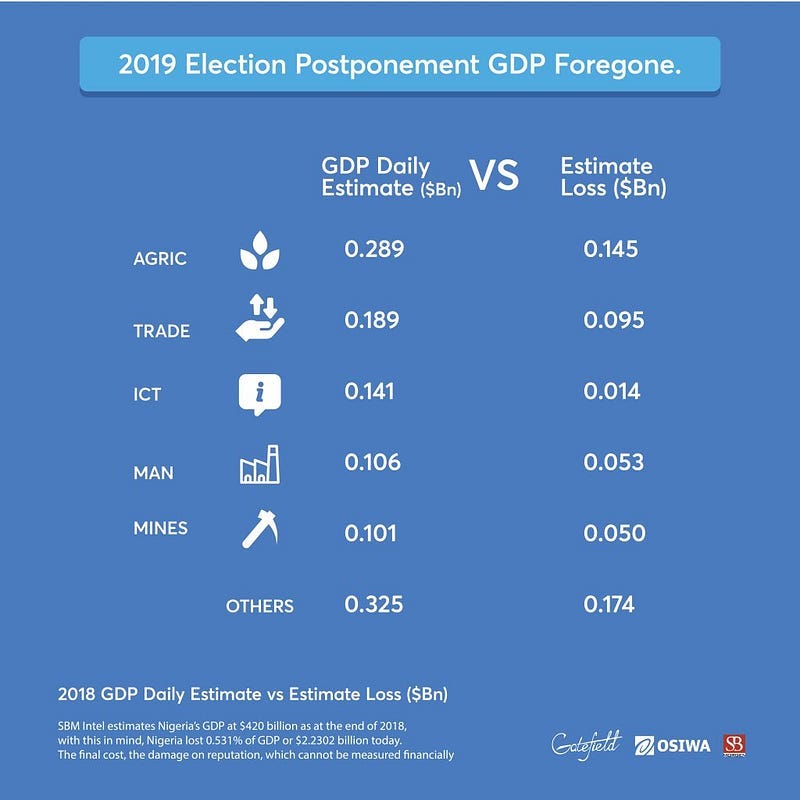
The Independent National Electoral Commission (INEC) has postponed the governorship and state assembly elections, previously slated for 11 March, till 18 March 2023. Earlier in the day, the Presidential Election Petition Court (PEPC) permitted the commission to reconfigure the Bimodal Voter Accreditation System (BVAS) used for the presidential election since refusing that would adversely affect the state elections. The commission has admitted that logistics, election technology, and the behaviour of some election personnel, party agents and supporters augmented the challenges of the presidential elections and warned that Resident Electoral Commissioners (RECs) would be held responsible.
Throughout this election period, when INEC takes a good step, it takes one or two additional steps wrongly, which increasingly appears to sabotage its credibility. The introduction of technology was supposed to aid the election process and make the 2023 polls the most credible in the country’s history, especially the real-time upload of results directly from the polling units. The reality turned out differently — INEC announced election winners by reading from handwritten result sheets, stubbornly rebuffing calls to use its results viewing portal as it initially promised. This action led to widespread dissatisfaction and avoidable litigation. Before the polls, the commission announced that its servers had come under an “unsuccessful” cyber attack, whose details were never released publicly. A few days after the polls, INEC announced that it suffered about 200 hack attempts, which looks like a scrambling attempt to deflect blame for its poor performance. In the present circumstances, it has perhaps rightly suspended the Resident Electoral Commissioner (REC) in Sokoto, where allegations of irregularities have been ringing loudly, even by Nigeria’s low standards. Why INEC chose Sokoto out of the 36 states makes little sense. What makes sense is scapegoating. In the same vein, the commission is taking more steps backwards by trying to reconfigure the BVAS — a move many have interpreted as an attempt to tamper with evidence of foul play. Essentially, their decision to be the main character in an affair that is supposed to be between the electorate and their representatives fundamentally undermined the credibility of the electoral process and brought more instability into the system than necessary. And from its recent moves, it seems INEC does not consider repairing its waning credibility and battered image a matter of priority. In other words, voter turnout will remain depressed.