
Into the sunset
Shell Plc is set to sell its Nigerian onshore oil assets to the Renaissance consortium for over $1.3 billion, pending government approval…

Shell Plc is set to sell its Nigerian onshore oil assets to the Renaissance consortium for over $1.3 billion, pending government approval. Zoe Yujnovich, Shell’s Integrated Gas and Upstream Director, emphasised the deal’s importance in the company’s portfolio streamlining strategy. Additional payments of up to $1.1 billion are expected. The consortium includes local firms ND Western, Aradel Energy, First E&P, Waltersmith, and Swiss-based Petrolin. Following the sale, Shell will maintain operations in Nigeria through its deep-water oil, natural gas, and solar ventures. The deal aligns with Shell’s broader focus on portfolio optimisation and sustainability.
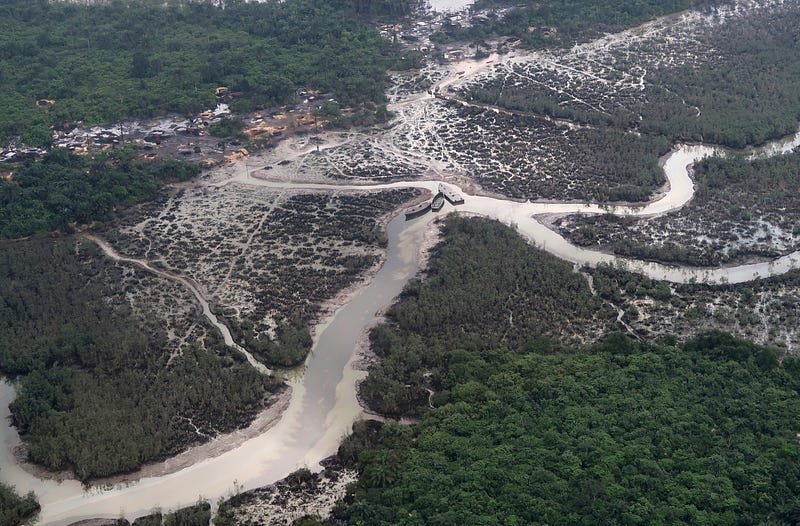
Shell’s divestment from its Nigerian onshore oil assets has been in the works for years. The divestment was delayed after a Supreme Court ruling forced it to wait for the outcome of an appeal over a 2019 oil spill. This news is open to different interpretations by whoever is reading it. If you’re a foreign investor, this may mean a long-time stakeholder in Nigeria’s oil and gas sector is reducing its dealings because doing business in Nigeria is challenging. Yes, this is true, but that’s not the whole story. As an environmental advocate, you might see this as a sign that a company facing multiple allegations of environmental pollution is finally exiting the country. However, this is also not the complete story. If you support Nigerian interests, you might view this as a sign that local companies are finally making strides on the national stage―and you would be partially right. For all parties and stakeholders, this announcement shows an urgent need to resolve whatever challenges International Oil Companies (IOCs) face in the onshore operations. Nigeria’s onshore oil and gas industry has never truly recovered from the height of the kidnappings and militancy in the mid to late 2000s, having steadily declined since, from 1.2 million bpd at its height to 480,000 bpd in 2013. Vandalism, crude oil theft and conflict with host communities have made things complicated. Shell and other IOCs have repeatedly expressed concerns about issues of oil theft and insecurity, and to mitigate these risks, they have chosen to focus on deep-water operations — tragic in a country with more reserves in the cheaper onshore regions than in the more expensive offshore regions. We anticipate that this trend will continue as they opt to either leave Nigeria entirely or shift their focus to deep-water assets where issues such as oil bunkering and host community concerns are less prevalent. Nigeria does not need this exit at this time, given the urgent need to ramp up revenue and attract foreign investments. Shell’s departure is only another sad chapter in this terminal decline. It shows that irrespective of how lucrative an opportunity is, when risks rise to a certain level, the rewards will no longer be worth it. Having said all of this, it is difficult not to conclude that Shell’s activity in the Niger Delta since 1956 has been a net negative for the region. The organisation should be made to embark on cleanups, especially in Ogoni, before leaving, or else its Nigerian successors will have to inherit this responsibility. There needs to be effective regulatory oversight to ensure that companies carry out regular maintenance of oil and gas infrastructure to avoid cases of oil spills and environmental pollution. This will go a long way in reducing conflicts with host communities. Overall, domestic entities must begin to take positions to raise capital and expand operations―although the CBN makes this difficult with the high interest rate regime; that is a tale for another day.