
IPOB’s powder keg
Ebonyi communities have continued to boil as hoodlums set ablaze a police van at Ukwagba village and shot sporadically to scare citizens in…

Ebonyi communities have continued to boil as hoodlums set ablaze a police van at Ukwagba village and shot sporadically to scare citizens in a bid to enforce a seven-day sit-at-home order declared by a faction of the Indigenous People of Biafra (IPOB) led by Simon Ekpa. The hoodlums also stormed the Ishieke police checkpoint and shot sporadically, which, according to reports, caused police officers to flee. The Daily Post reported that the hoodlums also stormed the Afiaohu market along Abakaliki/Enugu Express and allegedly shot into the air to scare people, with business owners fleeing and leaving their wares behind.
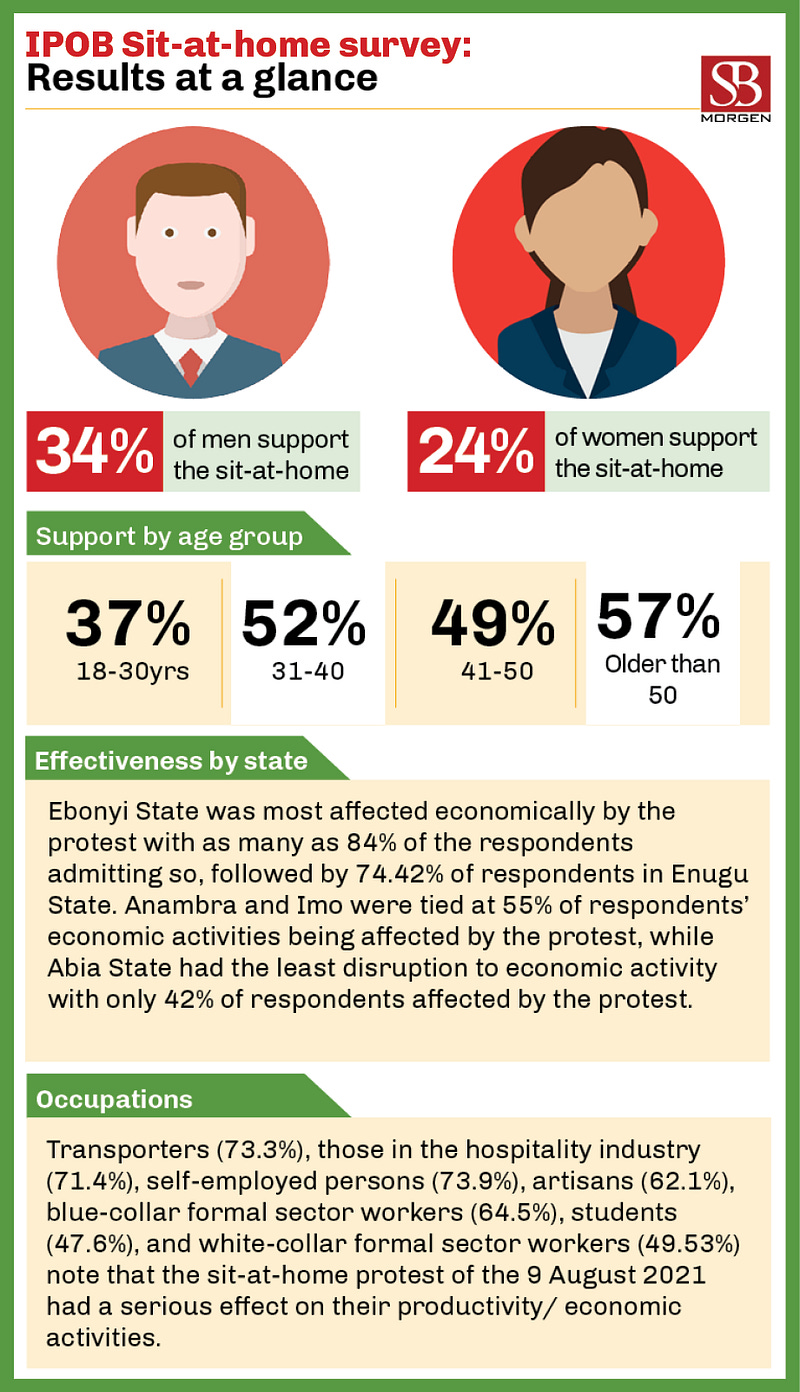
The Indigenous People of Biafra (IPOB) is a separatist group that seeks to create an independent state of Biafra in Southeastern Nigeria. However, the group has been unable to hurt the federal government critically, so it has turned to hurting the people of the Southeast to show its power. This is a common tactic used by guerrilla groups, who often attack civilians they see as part of the establishment. The recent attacks in Enugu and Ebonyi are signs that IPOB could be looking to strengthen its control over the region and assert itself as superior to the state governments in the South East, but these attacks are likely to backfire, as they will only make IPOB less popular and drain most of its support. IPOB’s attacks have harmed the Southeast’s economy, as businesses have been forced to close and people have been afraid to go out. The attacks have also led to an increase in tensions between the people of the South East and the federal government. The government has been criticised for its poor management of the situation, with some arguing that it has not done enough to protect the people. In the past month, more elites have called on the federal government to release Nnamdi Kanu, IPOB’s founder, who has been held for treason. The newly elected governors have tried to curtail IPOB, especially in the area of the weekly sit-at-home by asking workers to ignore the separatist group and declaring sanctions to government workers who observe the sit-at-home. For the average political elite in the region, Kanu’s release from custody is the Hail Mary pass needed to end the South East’s problems. This sort of wishful thinking stems from ignoring the internal split within IPOB: This week’s violence in Ebonyi was carried out by Finland-based Simon Ekpa’s faction. The Anambra and Imo police occasionally put up reactive feeble responses to attacks by armed groups, most of which are linked to IPOB’s militant faction: the Eastern Security Network (ESN). This hardly happens in Ebonyi for obvious reasons: poor police security and welfare have corrupted the system, so criminals who attack state symbols of authorities do not see the police as a threat. Given the enormity of the situation, it is quite sensible for the police to let the status quo remain, but that posture is unsustainable in the long term: the days of large-scale military operations in the region appear to be over for now, and the Ebonyi state government has contracted the state security to Ebube Agu, a vigilante group accused of human rights abuses such as abductions and extrajudicial killings. This means the problem stays, with the police having the primary responsibility to face their nightmare. This is hardly limited to Ebonyi. A video surfaced online on Wednesday, showing a group of unknown gunmen beating primary school pupils and teachers in Enugu State for daring to take the mandatory Common Entrance examination on a sit-at-home day. Beyond wishing and declaring the problem away, a major way for the region’s governors to actionably downgrade the IPOB threat is to empower the police through better-coordinated efforts with community vigilantes under civilian-led oversight to ensure respect for human rights.