
Justice in jeopardy
Suspended Chief Justice seeks to halt removal probe; NPP Chairman's money laundering arrest sparks protests and political condemnation.

Suspended Chief Justice Gertrude Torkornoo has filed an application at the Supreme Court seeking to halt the five-member committee investigating her removal. She is requesting an interlocutory injunction and the exclusion of Justices Pwamang and Adibu-Asiedu from the committee. Meanwhile, the arrest of NPP Ashanti Regional Chairman Bernard “Wontumi” Antwi-Boasiako by EOCO over alleged money laundering has triggered protests. Detained after a CID bail, Wontumi’s arrest sparked clashes between supporters and police. NPP leaders condemned it as political intimidation, demanding his release and transparency. As of Tuesday evening, Wontumi remained in custody, with tensions mounting.
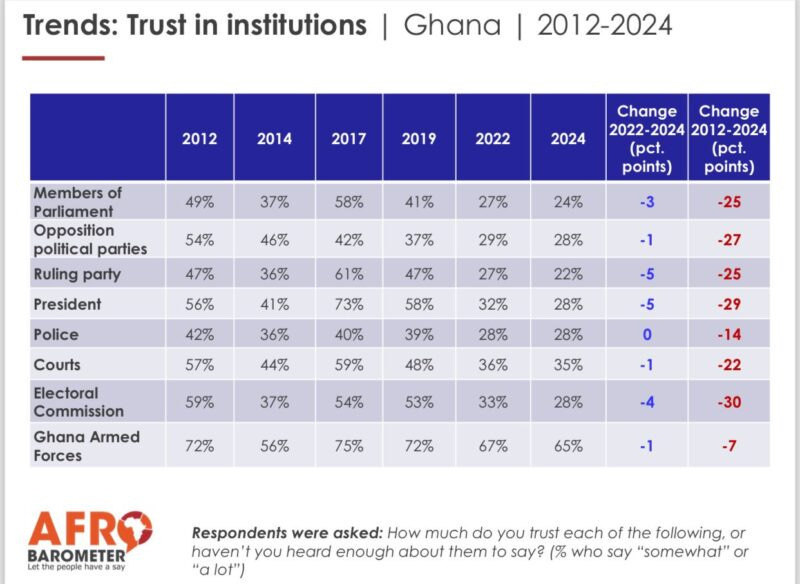
Ghana has long been celebrated as a beacon of stability in Africa, marked by peaceful political transitions, a relatively independent judiciary, and a vibrant civil society. However, recent events suggest a concerning erosion of the rule of law.
At the heart of this concern is the judiciary. The suspended Chief Justice, Gertrude Torkornoo, has filed an application at the Supreme Court seeking to halt the five-member committee investigating her removal. Her request for an interlocutory injunction and the exclusion of Justices Pwamang and Adibu-Asiedu from the committee immediately raises red flags regarding potential conflicts of interest and a blurring of judicial and quasi-judicial processes. This legal challenge by the highest judicial officer against fellow justices exposes internal fractures, risking a severe undermining of public trust in the judiciary's impartiality. The Supreme Court's recent unanimous decision to dismiss Chief Justice Torkornoo's request for an injunction has further intensified this political storm around the judiciary, reigniting a national conversation about judicial independence and public perception.
This isn't the first time Ghana's judiciary has faced accusations of partisanship. The opposition National Democratic Congress (NDC) previously labelled the Supreme Court "Unanimous FC" due to its pattern of unanimous rulings in politically sensitive cases. Now, the New Patriotic Party (NPP) is making similar allegations, this time regarding the composition of judicial panels under the acting Chief Justice. These cyclical accusations, emanating from both major political parties, highlight a widespread erosion of public trust in a critical democratic institution. The perception that judicial panel selections are influenced by political considerations, regardless of the validity of such claims, is highly damaging to the judiciary's legitimacy. As the Mahama administration seeks to depoliticise public institutions, the challenge remains whether such efforts can truly cleanse the judiciary without inadvertently injecting new political biases.
Adding to the national tension is the dramatic arrest of NPP’s Ashanti Regional Chairman, Bernard Antwi-Boasiako ("Chairman Wontumi"), by the Economic and Organised Crime Office (EOCO). He was arrested on an allegation of money laundering. This incident is troubling due to the perceived selective application of the law, sparking accusations of "Rambo-style" political persecution from the opposition. Wontumi’s arrest, which occurred after the CID initially granted him bail, triggered violent protests and clashes between supporters and police. As of Tuesday evening, he remained in custody with mounting tensions, with NPP leaders condemning the arrest as political intimidation.
Both these episodes – the judicial conflict and the executive’s investigative actions – point to a deeper malaise: the politicisation of legal processes. Such developments threaten more than individual careers; they shake the very foundations of rule-based governance in Ghana, a country once seen as a model for constitutional governance in West Africa.