
Kidnapping streak
The Katsina State Police Command confirmed the kidnapping of five female students of the Federal University, Dutsinma, and the arrest of a…

The Katsina State Police Command confirmed the kidnapping of five female students of the Federal University, Dutsinma, and the arrest of a suspected terrorist informant. Residents revealed that the terrorists invaded the private residences of the victims, shooting indiscriminately. This is the second abduction involving students in the region within a month. On 22 September, at least 24 female students were abducted from their hostel at the Federal University Gusau in Zamfara State. 16 of them were freed three days later following a rescue operation by security forces.
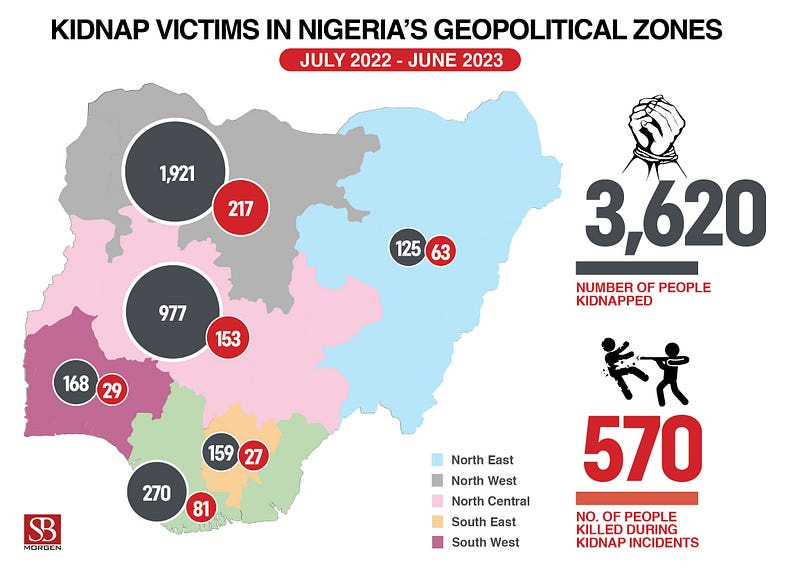
In recent years, Northern Nigeria has seen a concerning rise in kidnapping incidents, with devastating consequences for individuals, families and communities. The prevalence of kidnapping in this region can be attributed to several key factors. First and foremost, kidnappers exploit the high ransom payments, particularly when their victims are children who get public attention. Poverty also plays a significant role in the prevalence of kidnapping, with some individuals resorting to this criminal activity out of sheer desperation for financial relief. The vast and rugged terrain of Northern Nigeria makes it difficult for security forces to apprehend kidnappers, and the porous borders with neighbouring countries provide an easy escape route for kidnappers. The availability of weapons in the region facilitates the criminal activities of these groups, making it easier for them to carry out kidnappings. A deep-seated lack of public trust in the government compounds the issue, rendering communities in Northern Nigeria more vulnerable to kidnappings. However, the present targeting of tertiary institutions is driven by a few apparent factors: remote locations, poor security and high ransom value. Another reason could be drawn from previous incidents. When the Kankara Boys were abducted in 2020, the government focused on negotiations rather than the actual use of force for their release. The Kagara Boys met the same fate. However, the bandits have not had that concerted government interest in school abductions since 2021, largely due to fatigue and paucity of funds. As a result, kidnappers are now dealing more directly with the students’ families than with the government. The pre-existing poor government coordination resurfaced in the abduction of the female students from Federal University, Gusau. A few days later, the Zamfara State government clashed with the federal government, accusing it of negotiating with the bandits for the students’ release without informing them, a charge that the defence ministry denied. This blatant lack of coordination is commonplace and expected, given that the economy is more important to the Tinubu Administration’s agenda than security. It also put the military in a difficult position because its communications team regularly announced the girls’ rescue, but the federal government was still negotiating their release. In this fiasco, it is clear that someone lied, and this will not be the last time.