
Mali’s military gambit
Mali’s military has seized control of the northern town of Kidal, marking the first time the army has held the Tuareg rebel stronghold in…

Mali’s military has seized control of the northern town of Kidal, marking the first time the army has held the Tuareg rebel stronghold in nearly a decade, the Office of Radio and Television of Mali (ORTM) reported. Mohamed Maouloud Ramadan, a rebel spokesman based in Mauritania, confirmed the presence of the Malian military in Kidal. The Malian army and Russian Wagner have been battling Tuareg fighters for several days to take control of the town following the departure of United Nations peacekeepers two weeks ago. Separatist Tuareg rebels in the north have long sought an independent state they call Azawad.
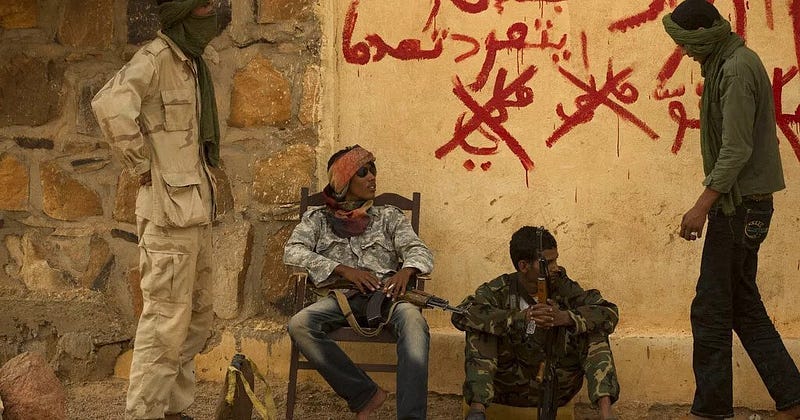
The current outbreak of violence was caused by a variety of factors, primarily the failure to implement the provisions of the 2015 peace treaty between the Tuareg rebels and the Malian government. International peacekeeping forces, initially deployed under French-led Operation Serval, Barkhane, and the United Nations (UN) Multidimensional Integrated Stabilisation Mission in Mali (MINUSMA), were tasked not only with monitoring compliance but also with rolling back the gains made by the rebels. All of these came to a halt following the coup of August 2020 which ousted President Ibrahim Boubacar Keïta. Colonel Assimi Goïta’s regime balanced its legitimacy on the promise to arrest the deteriorating situation which the Malian military had failed to manage. The departure of Western and the UN military presence created a vacuum that gave the rebels the imprimatur to advance. The failure of Goita’s allies, the Russian mercenary Wagner Group, to stop the rebel advance has put Goita in a precarious position which requires the celebration of every victory he gets. Therefore, Kidal, however strategically unimportant, provides a symbolic victory for the regime to stave off pressures. However, what the war has indicated so far is that there are heavy limits to what Wagner and the Malian military can accomplish. Mali appears to be on the brink of territorial division, with the de jure government effectively confined to the regions south of Bamako. The international community must remain engaged in Mali, providing both humanitarian aid and support for inclusive political dialogue, to prevent the country from spiralling into further conflict and division.