
Malls in decline
Nigerian Grade A malls in Abuja face high vacancies after anchor tenant exits, while smaller local malls thrive amidst economic hardship and inflation.

Nigeria’s formal retail sector is grappling with a prolonged economic slowdown, impacting consumer spending and tenant stability. A report by real estate advisory firm Northcourt reveals that large Grade A malls in Abuja, such as Wuse Novare, Apo 2, and Silverbird, are facing vacancy rates of 17%, 15%, and 21%, respectively, after anchor tenants like Shoprite exited. In contrast, neighbourhood and community malls are thriving due to lower operational costs, flexible leases, and proximity to residential areas. This shift highlights evolving consumer preferences amid Nigeria’s high inflation and challenging macroeconomic conditions.
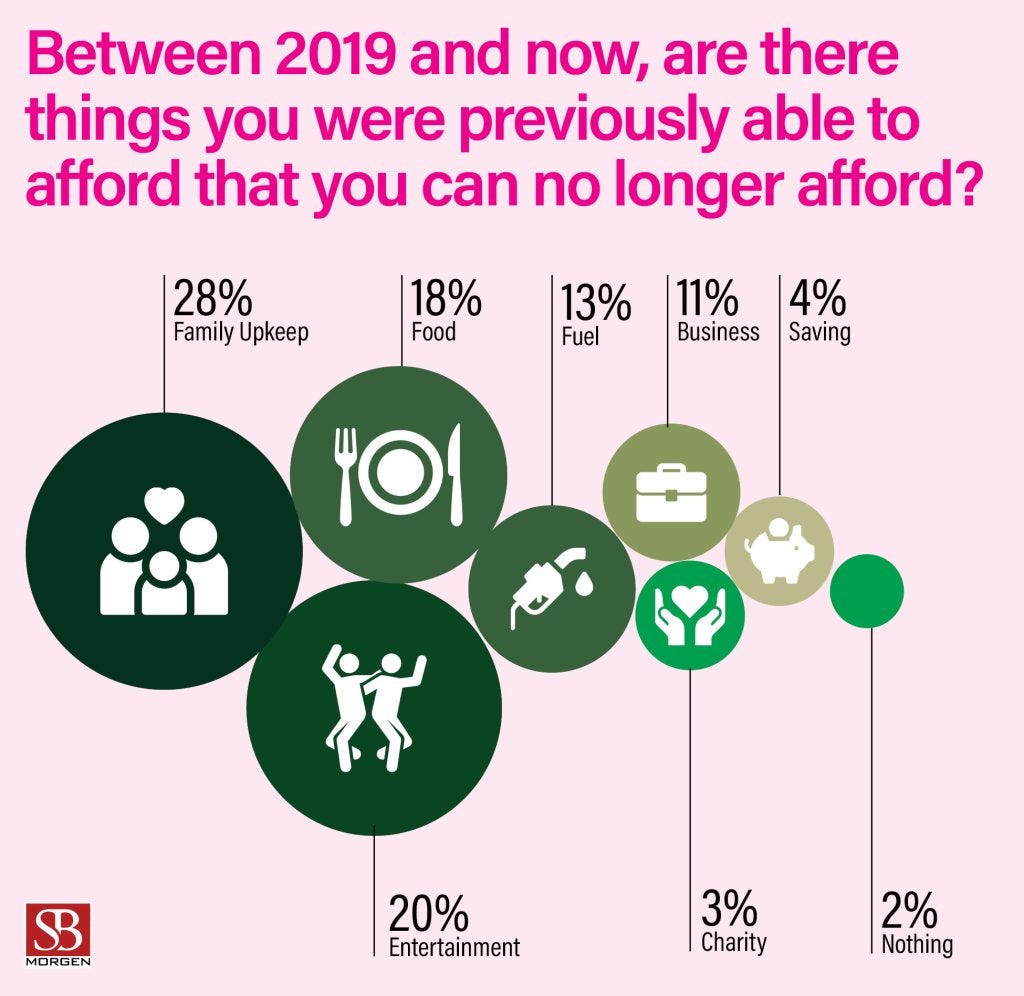
The latest Northcourt report on Nigeria’s formal retail sector highlights a significant structural shift in commercial real estate and consumer behaviour, primarily driven by macroeconomic headwinds. Rising inflation, currency devaluation, and declining disposable income have collectively eroded purchasing power, forcing retailers and consumers to reassess their engagement with large-format retail spaces. Elevated vacancy rates—17% at Wuse Novare, 15% at Apo 2, and 21% at Silverbird—underscore the mounting pressure on Grade A malls, which were once considered premium retail destinations. These malls are particularly vulnerable due to their dependence on anchor tenants such as Shoprite, whose presence traditionally drives foot traffic and supports the viability of smaller retailers. The exit of such anchors not only leaves substantial square footage vacant but also diminishes the appeal of the malls to other tenants who rely on the spillover from larger stores.
In contrast, neighbourhood and community malls have demonstrated greater resilience, reflecting a broader market shift towards localisation and cost-efficiency. These retail formats offer lower operational costs, more flexible lease terms, and immediate proximity to residential foot traffic—features that align more closely with consumers’ current preference for accessibility and value. As households become more cautious with discretionary spending, they are increasingly drawn to retail environments that meet everyday needs within their immediate communities. This bifurcation in the market also signals a strategic shift among retailers. Many are opting for smaller, community-based spaces that offer reduced financial risk and increased operational agility in an uncertain economy. These formats support cost containment and enable businesses to maintain a direct presence in their communities, fostering more targeted, relationship-driven engagement.
Looking ahead, this trend is likely to influence future retail development strategies across Nigeria. Developers and investors may increasingly prioritise mixed-use, community-anchored retail developments over large, centralised malls, particularly in areas beyond the urban cores. At the same time, existing Grade A malls must re-evaluate their tenant mix and value proposition. Diversifying into more service-oriented or entertainment-driven offerings may be necessary to reinvigorate foot traffic and restore relevance.
Meanwhile, cities like Lagos and Abuja have witnessed a proliferation of high- and mid-tier shopping malls across commercial and residential areas. This rapid expansion has led to a saturation of commercial spaces at a time when consumer spending is under strain. Compounding the issue, rising construction and financing costs have pushed up the prices of retail spaces for sale or lease, further discouraging uptake by retailers. With supply currently outpacing demand, high vacancy rates are likely to persist until broader economic conditions improve and consumer confidence returns.