
Marking territory
Nigeria’s Supreme Court has granted the Federal Government total control of all national waterways, including the right to impose levies…

Nigeria’s Supreme Court has granted the Federal Government total control of all national waterways, including the right to impose levies and licence operators. In response to an appeal (SC/CV/17/2018), the ruling asserts that states lack constitutional authority to levy businesses in inland waterways. The case involved the National Inland Waterways Authority (NIWA), the Nigerian Maritime Standard and Safety Agency (NMSSA), and relevant ministers against respondents, including Lagos State authorities and water-related associations. The court deemed state control and levies unlawful, emphasising that only the Federal Government, through the National Assembly, could legislate on Maritime Shipping and Navigation.
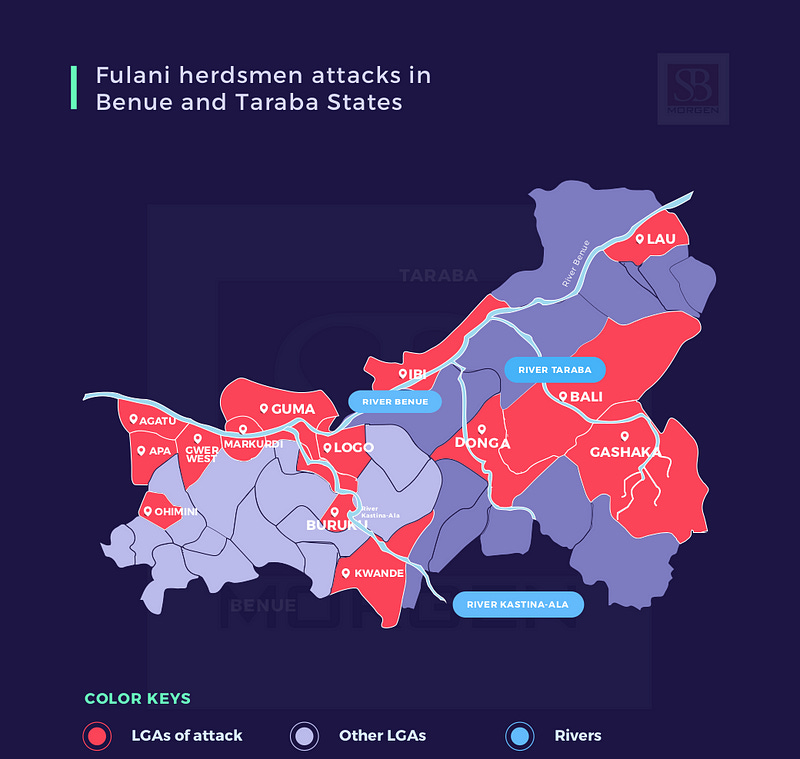
The Supreme Court’s ruling represents an overextension of the basic principles of the Land Use Act of 1978, which grants the federal government ownership of lands in which natural resources are found, and it is quite understandable why the Ministry of Mines and Steel Development is a party to the suit. However, the ruling also conflicts with the part of the Land Use Act that gives state governments control of lands within their jurisdiction. Nigeria’s waterways and resources have been a battleground for over six years, fuelling mistrust and igniting unprecedented friction between littoral states and the federal government, reaching a boiling point during the Rural Grazing Area scheme, (RUGA) impasse of 2019. In some way, this strengthens fears of unchecked federal power harming local needs; it also gives a cash-hungry government more ways to grab money. Nigeria, at this time, does not need more centralisation. The kind of development it needs should be localised by giving more powers to the state governments and empowering the local governments to function in the way they are supposed to. Empowering state and local governments will unlock true progress for coastal communities and neglected areas. Coastal communities will not flourish under distant decrees. For example, tourism, which ought to be a low-hanging fruit, should not be sacrificed due to the neglected development of states. Instead, Nigeria’s government should look to empower the country’s states to lead their own economic development. Unlike prioritising federal control, such an approach will avoid the pitfalls of investor manipulation and resource exploitation we have seen in the oil industry.