
“Mourners-in-chief”
The former Speaker of the House of Representatives, Yakubu Dogara, has urged President Bola Tinubu to rise to the occasion and end…

The former Speaker of the House of Representatives, Yakubu Dogara, has urged President Bola Tinubu to rise to the occasion and end persistent killings in different parts of the country. Dogara said this when he led some serving and former members of the House of Representatives to pay a condolence visit to Plateau State over the recent killing of more than 140 persons in Bokkos and Barkin Ladi local councils. He stressed, “Who has the responsibility to stop them? It is the Commander-in-Chief, but previously they reduced themselves to mourners-in-chief instead.” Plateau governor Caleb Muftwan noted that Nigeria risks becoming like Somalia.
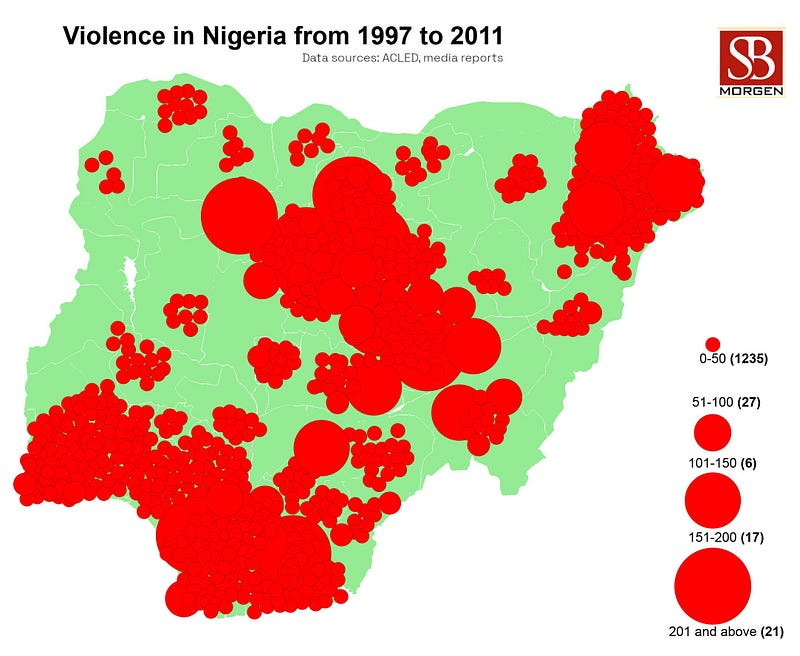
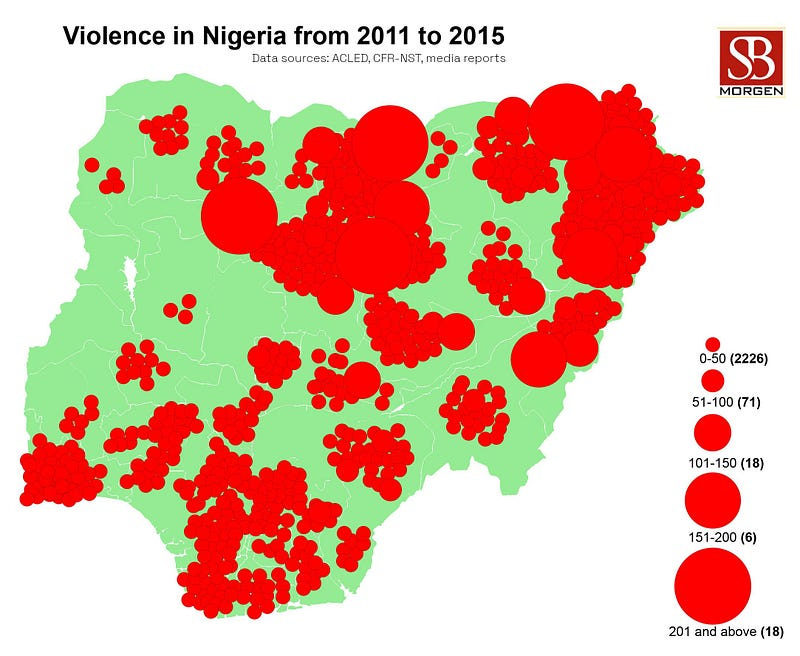
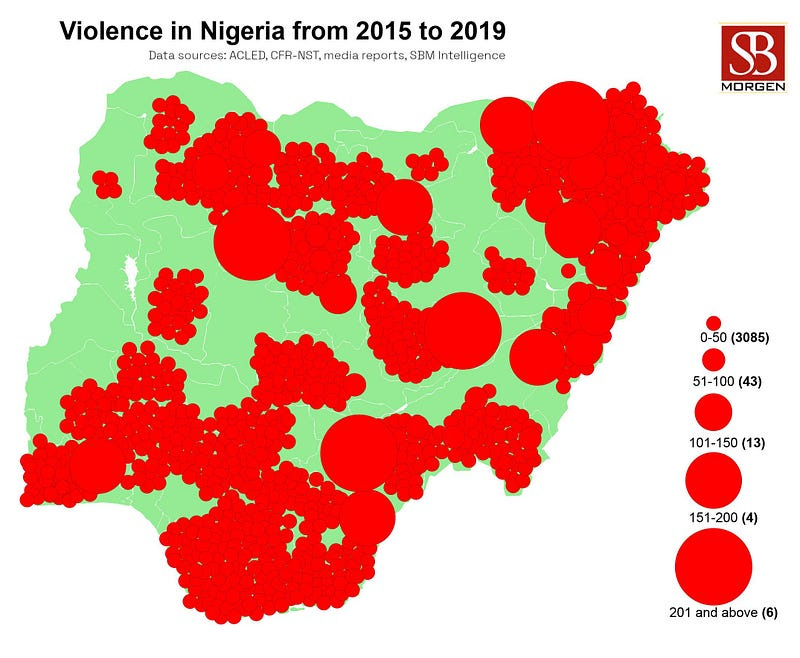
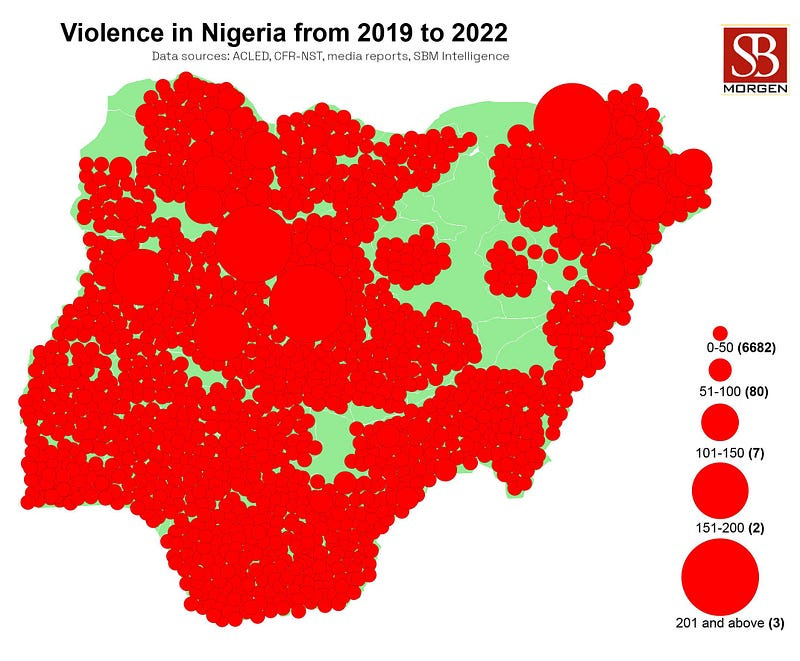
The failure of consecutive administrations to address insecurity, including the Plateau violence, has exacerbated the ethno-religious rift in the country, leading to the formation of new ethnic alliances. The current trigger for Mr Dogara’s criticism is the Plateau crisis, which has been a persistent issue in the country and a significant challenge to ethnic coexistence and harmony since at least 2001 when the Jos crisis resulted in the deaths of thousands. Since then, it has manifested in different forms, most notably as part of the Kaduna riots of 2011, which killed no less than 800 people across Northern Nigeria in just a few weeks. The core issue behind the Plateau crisis is the clash of identities and land access between indigenous and settler communities, particularly Fulani settlers who have come into direct conflict with the Berom people in areas such as Barkin Ladi, Bassa, Bokkos, Jos, Mangu and Riyom. Previous iterations of the violence have been calmed by inter-faith dialogue supported by the federal government and its military. In the past few years, however, persistent weakening of state capacity and the perception of increasing fragmentation of the federal government along religious and ethnic lines have led to the mistrust of state institutions such as the military and an increase in reprisals. That clannishness has also shown its hand in the solidarity shown to victims of violence. During the Kaduna bombing of December 2023, the condolence visits to families of the victims were largely made up of Northern Muslim politicians. The recent violence in Plateau, which has primarily affected Berom Christians, has prompted condolences and support from the Christian community, including Mr Dogara, who is a Christian from the neighbouring Bauchi State. While these conflicting loyalties may appear to be political, and they probably are, they highlight the underlying division of the Nigerian state along ethnic and religious lines, exacerbated in this instance by emotional issues such as land ownership. The federal government’s inability to effectively address the situation is pushing the country towards a Bantustan-like arrangement, with a weakened central authority relegated to a state of insignificance. The recent upsurge in killings, as highlighted by Yakubu Dogara, underscores the pressing need for a comprehensive response to the pervasive violence. The perceived lethargy of the Tinubu administration necessitates reassessing strategies to address the crisis, particularly in light of Nigeria’s expansive landmass. Given Nigeria’s vast territory, relying solely on an over-centralised security system proves challenging. The enormity of the country makes it difficult for a centralised authority to identify and swiftly respond to threats proactively and reactively — the call for state governors to unite gains additional significance in this context. Establishing well-equipped local police forces with anti-terrorism training becomes important in navigating the intricacies of Nigeria’s diverse and extensive landscape. A decentralised approach could empower local authorities to efficiently address security challenges, ensuring a more agile response to emerging threats across the country’s regions. While the responsibility to end the violence rests with the national leadership, the importance of local governance and security measures becomes even more pertinent when considering Nigeria’s geographical complexity. This strategic shift becomes essential to prevent Nigeria from descending further into a state of instability, aligning with Governor Caleb Muftwan’s concerns that Nigeria risks resembling Somalia if the killings continue unchecked.