
New face of energy
Renaissance Africa Energy acquires Shell's Nigerian onshore oil and gas assets for $2.4 billion.

Renaissance Africa Energy Holdings has completed its $2.4 billion acquisition of Shell Petroleum Development Company of Nigeria (SPDC), marking the end of Shell’s nearly 100-year presence in Nigeria’s onshore oil and gas sector. Following regulatory approval, SPDC will be rebranded as Renaissance Africa Energy Company Limited. Initially announced in January 2024 but blocked in October, the deal underscores a shift in Nigeria’s energy landscape. Renaissance’s consortium, with assets exceeding $3 billion, produces 100,000 barrels per day across 12 oil mining leases and operates two modular refineries in the Niger Delta, signalling its commitment to innovation and value creation.
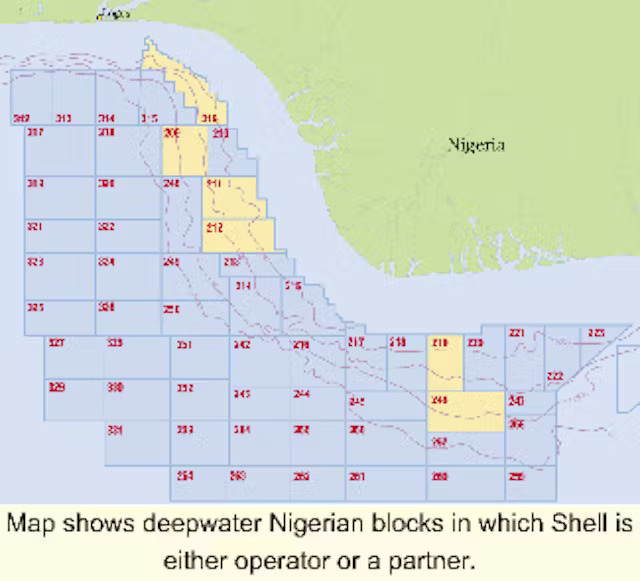
Shell’s presence in Nigeria dates back to 1938, when it was established as Shell D’Arcy and granted an exploration licence. Over the decades, it evolved into a key player in Nigeria’s energy sector, operating as part of a joint venture with the Nigerian National Petroleum Corporation (NNPC) and other partners. Today, Shell Companies in Nigeria (SCiN) remain central to the country’s oil and gas industry, comprising Shell Petroleum Development Company of Nigeria Limited (SPDC), Shell Nigeria Exploration and Production Company (SNEPCo), and Shell Nigeria Gas (SNG). SPDC, the largest of these entities, was responsible for Nigeria’s first commercial oil exports in 1958 and has primarily focused on onshore and shallow water oil and gas production in the Niger Delta.
The sale of SPDC to Renaissance Africa Energy Holdings represents a pivotal moment in Nigeria’s petroleum industry, continuing the trend of international oil companies (IOCs) divesting from onshore assets. This follows similar moves by other IOCs, such as ExxonMobil Nigeria’s sale of Mobil Producing Nigeria Unlimited to Seplat Energy Offshore Limited and Eni’s transfer of Nigerian Agip Oil to Oando. The shift is driven by IOCs’ strategic focus on deep offshore fields, where operational risks and community interactions are significantly reduced, as well as the need to streamline their operational footprint in Nigeria. While this transition may lead to job losses, it also opens doors for smaller, primarily indigenous companies to expand and establish themselves as major players in the sector.
However, Renaissance’s acquisition of SPDC comes with significant liabilities that cannot be overlooked. Shell’s operations in the Niger Delta have long been associated with environmental degradation, oil spills, and community disputes. These issues have resulted in ongoing legal battles, compensation claims, and reputational challenges. Renaissance will inherit these liabilities, including potential environmental cleanup responsibilities and unresolved community grievances. The Niger Delta’s complex socio-political landscape means that addressing these challenges will require careful navigation, robust community engagement, and substantial investment in remediation efforts.
Despite these hurdles, the completion of this deal would mark a significant milestone for Nigeria. It signals the final stages of major IOCs’ withdrawal from the onshore sector, with their assets now concentrated in deepwater offshore production—a clear indication of the persistent risks associated with onshore operations in Nigeria. At the same time, this shift underscores the maturation and success of local content initiatives within the industry as indigenous companies step up to take on greater responsibilities and drive the sector’s growth.
For Renaissance, the acquisition presents both opportunities and challenges. On the one hand, it offers a chance to solidify its position as a major player in Nigeria’s energy sector. On the other, it requires a proactive approach to managing inherited liabilities, fostering community trust, and ensuring sustainable operations. How Renaissance navigates these complexities will determine its success and set a precedent for other indigenous companies looking to fill the void left by IOCs. This transition, while fraught with challenges, ultimately reflects the evolving dynamics of Nigeria’s petroleum industry and the growing role of local firms in shaping its future.