
Nickel and dime
The Central Bank of Nigeria (CBN) has ordered banks to charge a 0.5% cybersecurity levy on transactions beginning in two weeks. The levy…

The Central Bank of Nigeria (CBN) has ordered banks to charge a 0.5% cybersecurity levy on transactions beginning in two weeks. The levy, however, exempted loan disbursements/repayments, salary payments, intra-account transfers within/between banks for the same customer, intra-bank transfers between customers of the same bank, cheque clearing/settlements, Letters of Credits, Banks’ recapitalisation-related funding, and bulk funds movement from collection accounts, savings, deposits, and long-term investments. This follows the Federal Government’s approval of salary increases for civil servants on the six Consolidated Salary Structures and 20% to 28% increase for pensioners, different from the ongoing labour unions’ negotiations related to the fuel subsidy removal.
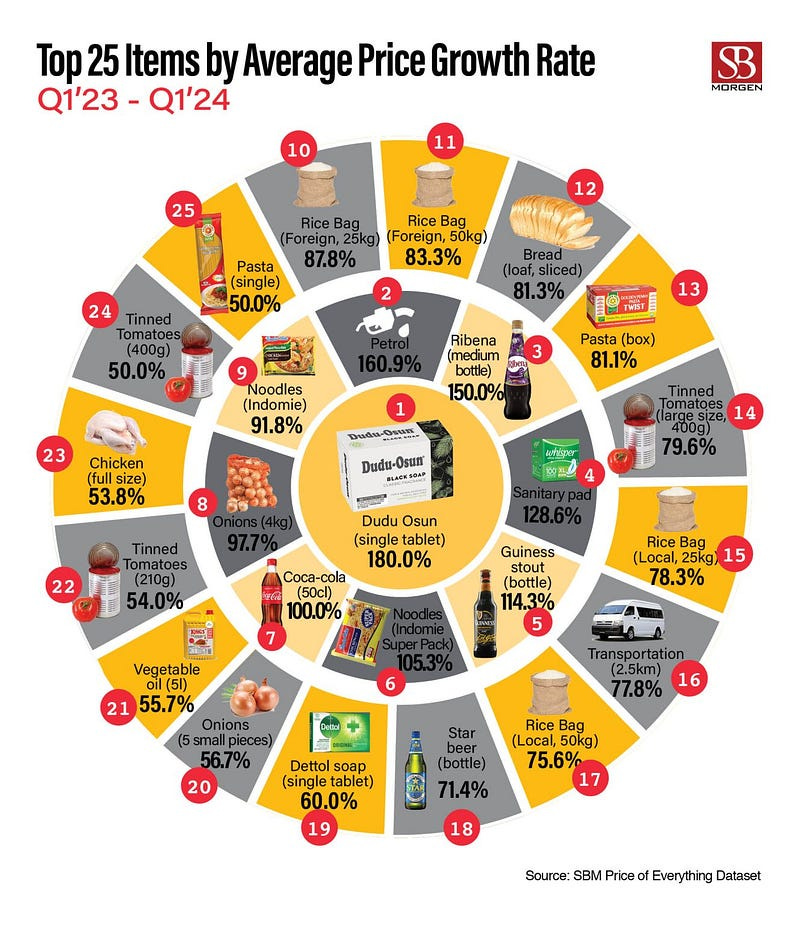
Despite operating a federal system of government, the federal government negotiated and fixed the minimum wage in Nigeria at ₦30,000 monthly and implemented it in 2019. At the time, the official exchange and inflation rates were $/₦365 and 12% respectively. Fast-forward to May 2024, the official exchange and inflation rates are around $/₦1,406 and 33.1%, respectively, while the federal government is proposing only a 25% and 35% salary increase for civil servants. One could argue that since the federal government negotiates on behalf of all tiers of government, it has factored in the financial capabilities of different state and local governments to afford such salaries. It is commendable that pensioners under the Defined Pension Scheme have been included in this review. However, given higher fuel prices and escalating taxes over time, the federal government cannot really justify this proposition. The FG has indicated that VAT could be increased imminently from 7.5% to 10%, which makes some sense. However, the 0.5% cybersecurity levy on bank transactions makes little sense and is ill-advised, considering that the projected trillions of naira in annual revenue that could be raised will not go into salary payments but to ambiguous expenditures under the Office of the National Security Adviser. The government is the country’s largest employer, so actions regarding employee compensation affect the economy. In recent times, the unions have been clamouring for an upward review of the minimum wage, but there has been no agreement. However, the government has tried to be ahead of the negotiations by approving a salary increase for civil servants on specific salary structures. This will undoubtedly improve the quality of life of civil servants in those salary structures. However, care must be taken not to jeopardise efforts being made by the CBN to rein in inflation. A situation with too much money in circulation will lead to a price surge.