
No dice for Kanu
Abuja has rejected a proposed out-of-court settlement in the trial of Nnamdi Kanu, leader of the Indigenous People of Biafra (IPOB), who is…

Abuja has rejected a proposed out-of-court settlement in the trial of Nnamdi Kanu, leader of the Indigenous People of Biafra (IPOB), who is being tried for terrorism-related charges. Kanu’s lawyer, Alloy Ejimakor, indicated Kanu’s willingness to settle peacefully after the Abuja Federal High Court, under Justice Binta Nyako, encouraged a political solution. The court cited Section 17 of the Federal High Court Act, promoting reconciliation. Despite this, the government maintained its stance against a negotiated settlement. Kanu has been detained since June 2021 following his arrest in Kenya and extradition to Nigeria.
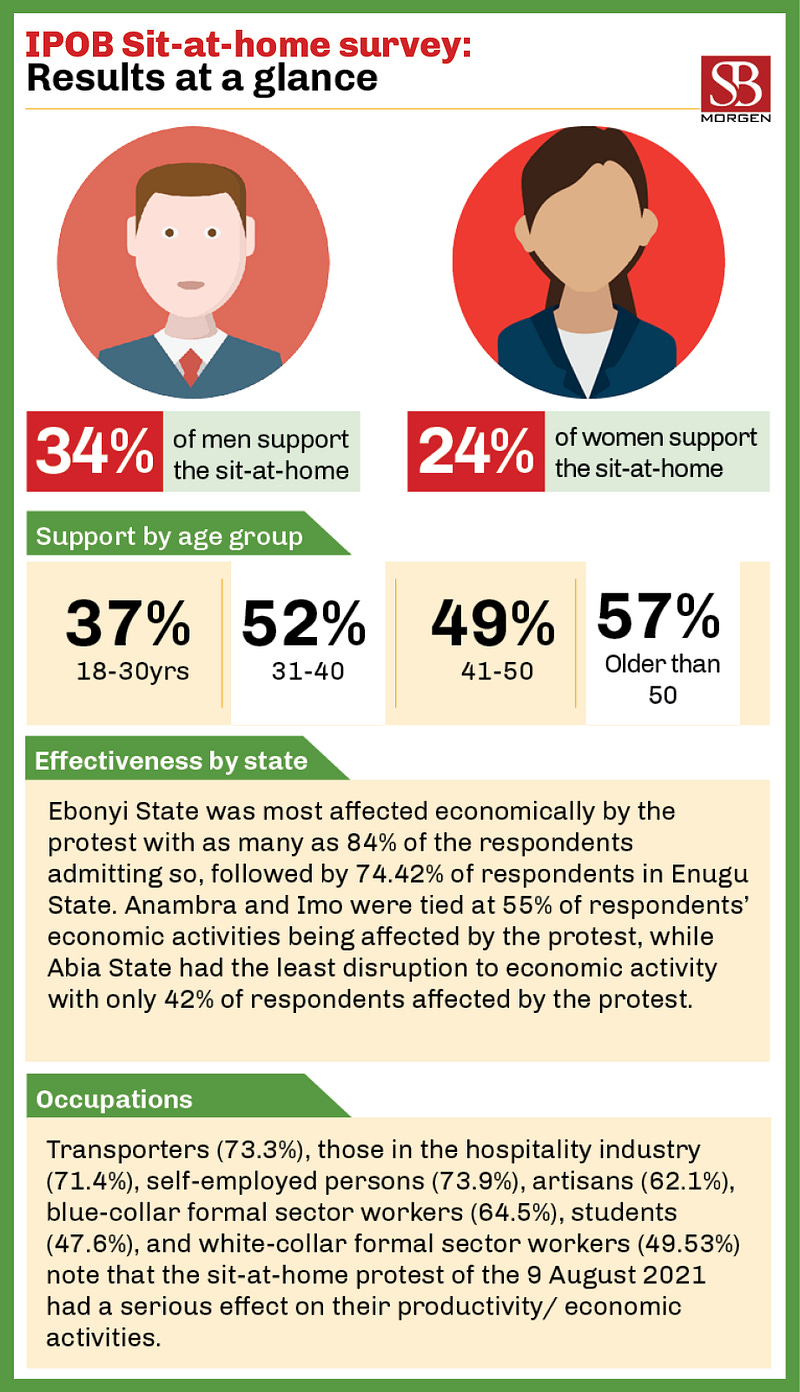
Abuja’s recent rejection of a negotiated settlement in the trial of IPOB leader, Nnamdi Kanu, may be its only real option. IPOB’s activities have inflicted considerable harm on Igbo society, demonstrated in the loss of lives, destruction of property, attacks on public sector workers, and imposition of curfews. The loss of life is irreversible, leaving families and communities devastated. Both public and private properties have been destroyed, destabilising local economies and causing financial hardship to individuals and businesses. The group’s enforcement of an all-day curfew on Mondays, aimed at securing Kanu’s release, has paralysed daily life and economic activities. Sometimes, the need for damage limitation necessitates a settlement that sacrifices some elements of justice in exchange for stemming the rate of violence and destruction, but even from that pragmatic perspective, a settlement with Kanu does not offer a viable solution for several reasons. First, there is no evidence that Kanu’s release would lead to the cessation of IPOB’s violent and subversive activities. Instead, it could embolden the group, suggesting that their tactics of violence and intimidation are effective. Also, agreeing to a settlement under these circumstances would set a perilous precedent, implying that terrorism and violence are legitimate means to achieve political goals. This could encourage other groups to adopt similar methods. Additionally, victims of IPOB’s actions deserve justice. A settlement would deny them this. The decision to reject a settlement in Nnamdi Kanu’s terrorism trial reaffirms the need for accountability and justice.