
No room for slackers
Nigeria has revoked 924 dormant mining titles immediately and invites investors to freely apply for the affected licences, which will be…

Nigeria has revoked 924 dormant mining titles immediately and invites investors to freely apply for the affected licences, which will be offered on a “first come, first served” basis, its Solid Minerals Minister, Dele Alake, said. The affected titles include 528 exploration licences, 20 mining leases, 101 quarry licences and 273 small-scale mining licences. In November 2023, more than 1,600 mining titles were revoked for non-payment of statutory fees. Alake stated that the action aimed to stop “licence racketeering,” where entities secure titles containing valuable minerals and then sell the licences to the highest bidder.
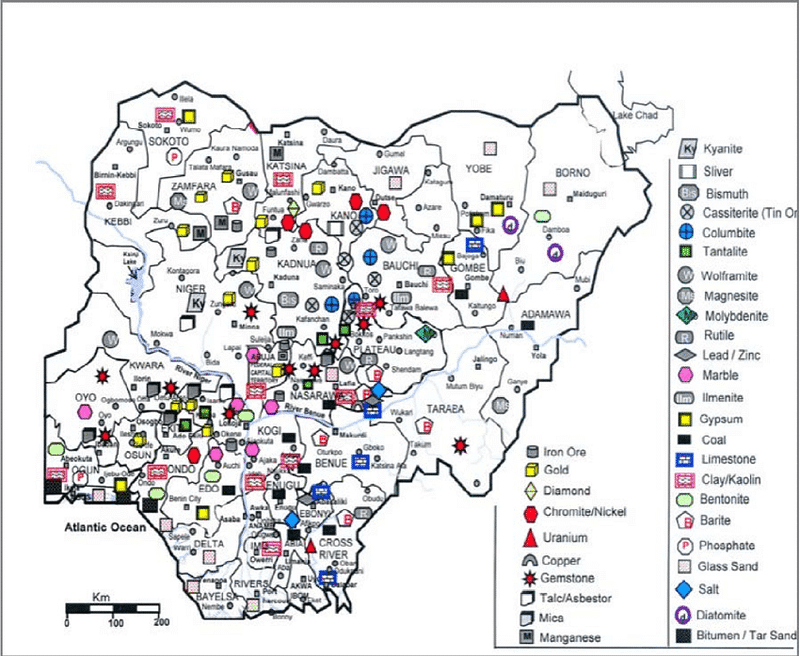
Nigeria is endowed with more than 40 types of solid minerals in economically viable quantities, including coal, gold, iron ore, lead, lithium, manganese, marble, silica, talc, tin ore and zinc. However, since the crude oil boom of the 1970s, successive Nigerian governments have paid little attention to other resources. The severe political issue of derivation has also hampered states from developing solid minerals within their boundaries. Since the late 1960s, the FG has controlled mineral resources and pays a percentage (currently 13%) to the states where particular resources are mined, highlighting a significant political challenge. Furthermore, 2,524 licences have been revoked in Nigeria’s mining sector in the past seven months. The junior minister for petroleum resources is also threatening to revoke oil licences. This questions the integrity of the process under which these licences were issued. It is also unclear what process was followed in revoking these licences and making them available for bids. This could potentially create legal encumbrances to exploiting such licences obtained subsequently. Mr Alake’s actions must not only ensure the enforcement of laws and regulations but also guarantee that investors do not find themselves in the same predicament they sought to escape, where their licences remain dormant due to a lack of progress in implementing the minister’s actions. Countries across the world are using their mineral resources to develop infrastructure, boost national savings and improve the general quality of life of their people. In Nigeria, these licences are issued to entities who just sit on them. This situation is also common in the oil sector. There needs to be proper sanitation of Nigeria’s extractive industry.