
No work, no pay
The Federal Ministry of Health and Social Welfare said on Thursday that it would invoke the no-work-no-pay rule against the Nigerian…

The Federal Ministry of Health and Social Welfare said on Thursday that it would invoke the no-work-no-pay rule against the Nigerian Association of Resident Doctors (NARD) members who have been on strike since December 2023 over the abduction of a colleague in Kaduna. The ministry’s spokesman, Ado Bako, expressed disappointment in the resident doctors for embarking on the seven-day warning strike despite ongoing negotiations and efforts to address their concerns. The ministry encouraged all resident doctors to return to the negotiation table.
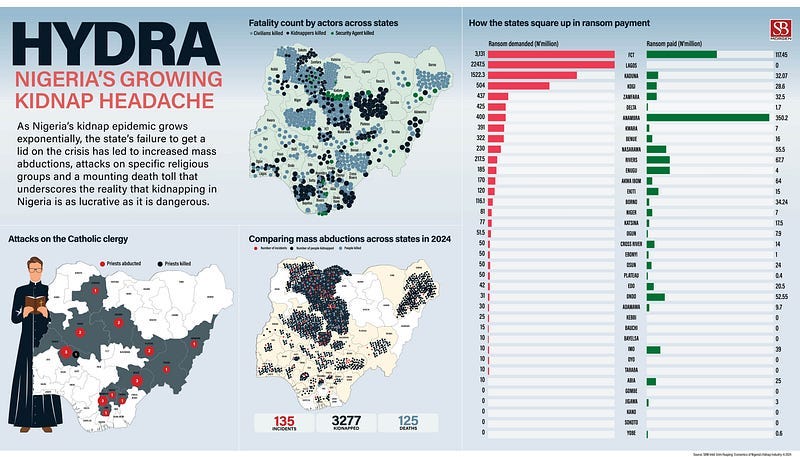
The Federal Ministry of Health’s decision to invoke the “no-work-no-pay” rule against NARD is a blatant disregard for the legitimate concerns of healthcare professionals and a dangerous precedent for the future of healthcare in Nigeria. This hostile response, rather than fostering empathy and understanding, only worsens the already tense situation and undermines the essential role of doctors in providing critical medical services. The resident doctors’ strike, triggered by the abduction of a colleague in Kaduna, is a direct response to the increasing threats and violence faced by healthcare workers in the country. The abduction serves as a stark reminder of the perilous conditions under which doctors operate, risking their lives to save others. The “no-work-no-pay” rule, a punitive measure often used to coerce workers into submission, is particularly inappropriate in the context of a healthcare crisis. Doctors are not simply employees; they are essential service providers whose work directly impacts the health and well-being of the population. By threatening to withhold their wages, the government is essentially blackmailing them into returning to work, regardless of the risks they face. The government’s response should have been one of empathy, understanding, and immediate action to address the root causes of the crisis. By failing to address the underlying issues that led to the strike, the government is jeopardising the population’s health and well-being and setting a dangerous precedent that could have far-reaching consequences.