
Not a full goodbye
ECOWAS has officially confirmed that Mali, Burkina Faso, and Niger have withdrawn from the regional bloc, but still grants six months' grace.

ECOWAS has officially confirmed the exit of Mali, Burkina Faso, and Niger from the bloc, effective 29 January 2025, following their withdrawal last year. However, ECOWAS will maintain diplomatic relations, recognise their passports, and allow trade under existing agreements. In December 2024, the bloc granted them a six-month grace period to reconsider their decision. While their departure is now final, ECOWAS stated that these temporary arrangements will remain until the bloc determines the full modalities of future engagement with the three countries. The remaining ECOWAS members have agreed to keep communication channels open.
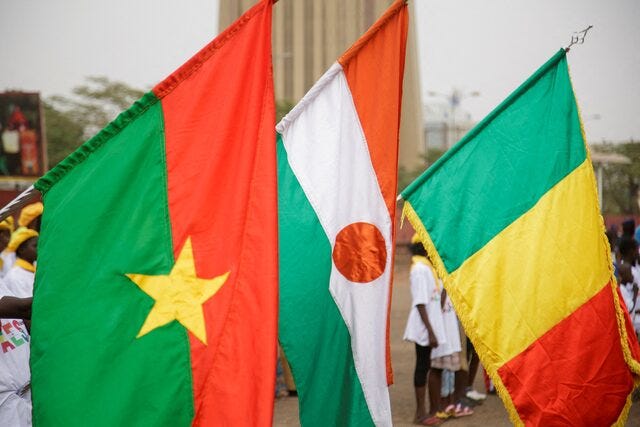
The departure of Niger, Mali, and Burkina Faso from ECOWAS marks the culmination of a crisis that began with the July 2023 coup against Niger’s President Bazoum. President Tinubu’s initial response, a proposed ECOWAS military intervention to restore constitutional order, backfired spectacularly. This ill-conceived plan damaged the bloc’s standing in a region where many young people are disillusioned with the unfulfilled promises of democracy, fueling a surge of anti-French and anti-Western sentiment and calls for “Frexit.”
The timing of this unprecedented split, just months before ECOWAS’ 50th anniversary, underscores the bloc’s failure to live up to its founding ideals. Its inability to adapt and foster genuine regional integration has rendered it increasingly irrelevant. While this exodus offers ECOWAS an opportunity to redefine its purpose, its response has been weak. Offering departing states continued membership benefits, such as free movement, appears feckless and encourages further disintegration. This “easy exit” policy hasn’t gone unnoticed by remaining members. Togo, for example, has publicly flirted with joining the rival Alliance of Sahelian States, established by the departing countries. This approach is unsustainable.
ECOWAS’ failure to recognise that geopolitics is driven by self-interest, not altruism, highlights a lack of diplomatic acumen that has plagued Nigeria’s foreign policy for years. Without decisive leadership, ECOWAS has become a shadow of its former self, unable to exert influence over its members. The departing states’ belief that they can thrive despite being landlocked is a testament to this weakness.
ECOWAS has a history of struggling with deep-seated geopolitical issues. Despite its mandate to centralise decision-making, it has been plagued by internal divisions and susceptible to divide-and-rule tactics. Once dominated by Western influence, the region is now fractured, with some members aligning with other global powers, notably China and Russia. This fragmentation further complicates ECOWAS’ role. Its inability to compel the junta-led states to restore civilian rule, let alone prevent their secession, clearly demonstrates its impotence. Even Ghana’s President Mahama’s earlier attempts to build bridges with junta leaders, which briefly offered hope for unity, have been undermined by the Sahelian Alliance’s withdrawal.
The key lesson for remaining ECOWAS members is the urgent need for internal reforms—political, economic, and security—to stem this decline. Failure to enact these reforms will likely seal the bloc’s fate.