
Not at all a virtuous cycle
After 16 military personnel were murdered in Okuama, a community in Ughelli South Local Government Area of Delta State last week, parts of…

After 16 military personnel were murdered in Okuama, a community in Ughelli South Local Government Area of Delta State last week, parts of the community have been razed down, allegedly by soldiers. On 19 March, the Nigerian Army invaded Igbomotoru community in the Southern Ijaw LGA of Bayelsa State, allegedly killing about 11 people and razing houses suspected to be the hideout of a militant leader allegedly involved in the killing of the soldiers in neighbouring Delta State. Although the military denied any involvement, a community leader, Ayibakipreye Solomon Clarkson Suobo, publicly accused the military of arson.
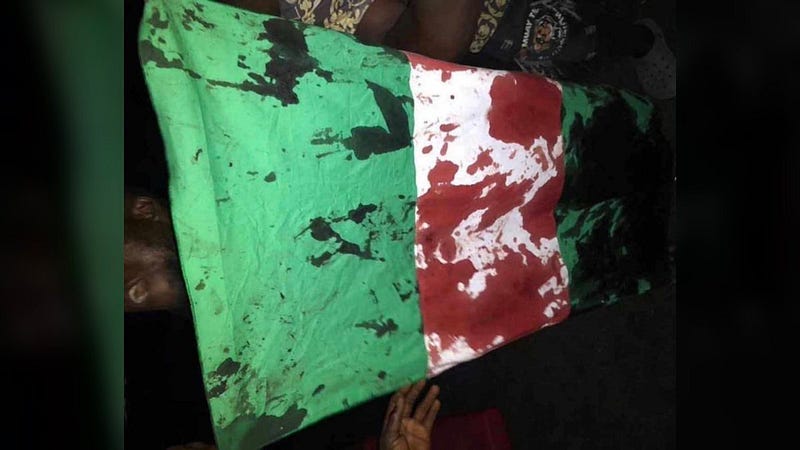
Since independence, there have been 18 reprisal events that the Nigerian Army or Police have been accused of. The core of this is the clear message and implication that the Nigerian military is a law unto itself and operates above the Constitution on such matters. Collective punishment is as much a Nigerian culture as it is ingrained in our military’s ethos. A culture of impunity pervades the Nigerian military, especially the army which was responsible for the Odi Massacre of 1999 in Bayelsa State. Nigeria’s history is littered with mass atrocities like these committed by the Nigerian military, a disproportionate number of which had been suffered by communities in the Niger Delta. The Nigerian military is often allowed to conduct reprisal missions with little oversight. There have been massacres such as Bakolori, Zamfara (1980) and Zaki Biam, Benue (2001), but the military’s special dalliance with coastal communities is quite dated and precedes the modern era. British colonists who created what is now known as the Nigerian Army launched the Akassa Raid in Brass in modern-day Bayelsa State in January 1895 as a devastating punitive action in retaliation for the killing of 40 British soldiers. The military’s overuse and underperformance have led to attacks on them, but their reprisals, which often disregard human rights, only fuel a desire for revenge, continuing the vicious cycle. These brutal responses are not only unjust but also counterproductive. They alienate the local population and make it more likely that future violence will occur. Part of why these actions continue to persist is that Nigeria has become awash with small arms and light weapons. With too many guns around, everyone becomes a fair target, including state agents, and the failure of the President to rein in his military — partly due to fear of the military itself — makes him an accessory to possible genocide. It is necessary to ascertain exactly what was responsible for the hostility in the first place because the region involved has a lot of oil theft to the tune of billions of naira, which is said to have been done with the complicity of the armed forces and security agencies in the areas. The army’s primary job is related to territorial security, so it is odd to see it involved in this scale of hostility in a state that does not share a border with a hostile foreign adversary. Overall, the Nigerian military must develop a more professional and restrained approach. This includes conducting thorough investigations to identify those responsible for attacks on military personnel and bringing them to justice through the legal system. It’s also important for the military to build trust with local communities through engagement and outreach programmes.