
Not so free
Nine #EndSARS protesters arrested and detained in Oyo’s Agodi Prison since 2020 regained their freedom on Tuesday. Adeshina Muyiwa…

Nine #EndSARS protesters arrested and detained in Oyo’s Agodi Prison since 2020 regained their freedom on Tuesday. Adeshina Muyiwa, Ikechuckwu Eze, Ariyo Sodiq, Ikenna Amaechi, Oyewole Olumide, Ariyo Afeez, Taoreed Abiodun, Adekunle Moruf, and Rasheed Tiamiyu, were charged for offences ranging from murder to stealing of police rifles, setting the police station ablaze, among others, in connection with the 2020 protest against the defunct Special Anti-Robbery Squad unit of the Nigeria Police Force. The release came 24 hours after the Oyo State Chief Judge ordered the release of 58 detainees who had spent long periods in the state prisons.
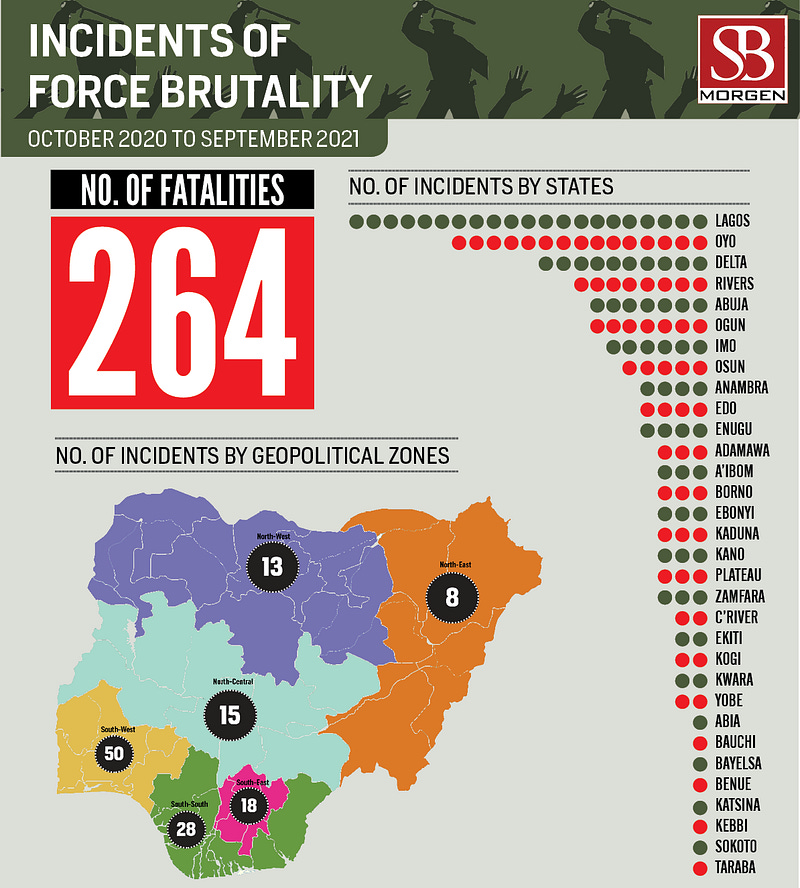
The release of the detained protesters opens up discussions about Nigeria’s correctional facilities and the justice system and how the state can weaponise access to justice to achieve political ends. In June 2021, the Comptroller of Corrections (Lagos State Command) said there were 6,800 inmates awaiting trial in the state’s five correctional facilities. The Kirikiri Maximum Correctional Centre, which has a capacity for 1,076 inmates, at the time housed 1,830 inmates. Of the 1,830 inmates, 283 had been convicted, 1,075 were awaiting trial, 88 were serving life terms, 372 were on death row, and 12 inmates were lodgers (inmates in transit). The general national numbers are far from inspiring. According to a December 2021 report by Premium Times, about 73 percent of the 64,642 prison population as of December 2020 were awaiting trial. Correctional centres in Lagos accounted for the bulk of this population, with 6,703. Rivers had 4,224. The rest of the top 10 were Kano (2,368); Akwa Ibom (2,334); Imo (2,257); Ogun (2,015); Delta (1,792); Enugu (1,737); Anambra (1,579) and Oyo, the object of this story at 1,491. On the other hand, Borno had 185 persons in custody awaiting trial, the lowest in the country. It is in this category that the #EndSARS protesters fall. Speedy justice delivery has been hampered by many factors ranging from arbitrary arrests that overburden state prosecutors to a backlog of cases and adjournment on the side of the judiciary. However, despite these, we cannot rule out the possibility that the protesters were arrested as a deliberate policy to weaken the reform demands of the movement and failure to take them to court engenders that belief even further. When added to the poor records-keeping culture of government institutions aided by the deliberate failure to account for such illegal arrests, one wonders how many more protesters declared missing have simply been disappeared by state security agents. Nigeria’s legal system needs urgent reforms. It has become a tool for oppressing citizens, and the threat of arrest and prosecution is enough to terrorise citizens, simply because both law enforcement agents and citizens know that once a person enters the court system, they can be in legal limbo, deprived of their liberty while not being found guilty for many years. This is perhaps the most fundamental issue any government needs to fix. Nigeria’s democratic credentials are all the poorer for this.