
Not your regular hamper
Dangote Refinery has reduced the ex-depot price of petrol from ₦990 per litre to ₦970 per litre, effective immediately for oil marketers…

Dangote Refinery has reduced the ex-depot price of petrol from ₦990 per litre to ₦970 per litre, effective immediately for oil marketers. This price cut is part of the company’s end-of-year initiative to give back to Nigeria, focusing on appreciating public support for the refinery. Anthony Chiejina, the company’s chief branding officer, reassured Nigerians of the refinery’s capacity to meet domestic fuel needs sustainably. Meanwhile, the Port Harcourt Refining Company (PHRC) has started processing crude oil, currently operating at 70% capacity, with plans to increase to 90%. PHRC produces various petroleum products, including petrol, diesel, kerosene, low-paste fuel oil (LPFO), and liquefied petroleum gas (LPG).
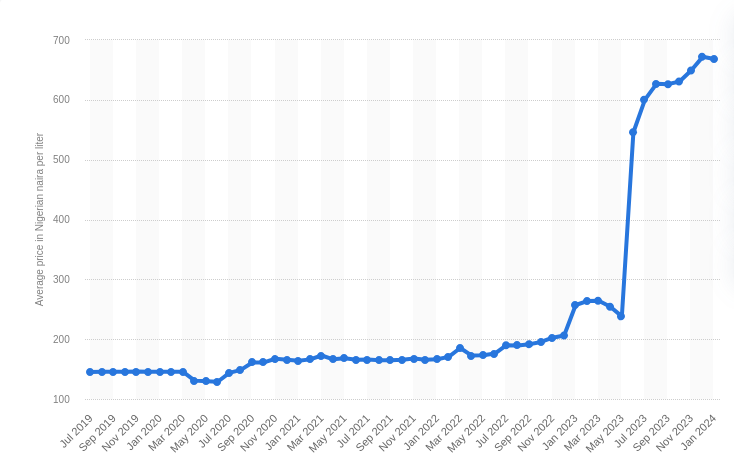
The anticipated battle for supremacy has kicked off in the oil segment of Nigeria’s oil and gas sector. We expect that it will intensify. Suddenly, erstwhile publicity-shy oil marketers have been bitten by the transparency bug and are providing the public weekly updates on petrol, diesel and kerosene landing costs. Meanwhile, in an apparent show of magnanimity, Dangote offered a ₦20 discount as “part of its end-of-year efforts to appreciate Nigerians” for supporting the refinery. How kind! The latest ‘bride’ in town is the resurrected 59-year-old Port Harcourt Refinery in the Rivers State capital. With much fanfare, the NNPC boss, Mele Kyari, led a delegation of industry stakeholders and financiers (Afreximbank) around the facility; proudly showing off its version of colourless petrol to the press. Social media, however, has been ablaze with debates about whether the facility is genuinely refining crude oil or merely operating as a blending plant. Nigerians appear to underestimate the level of infrastructural decay in the country. In what world is it possible for a 59-year-old refinery to effectively compete with one that was built in 2024? However, this could pacify those with sentimental attachments to the country’s refineries. It is positive news that the Port Harcourt Refinery has resumed operations after years of dormancy, during which trillions of naira were spent with little to show. The NNPC has been under immense pressure to deliver functional refineries, particularly now that the Dangote Refinery has come on stream, ending the era of unsustainable importation and subsidies on refined products. While questions remain about whether the naphtha used to blend petrol is produced locally or imported, the most important takeaway is that value is finally added to locally produced crude oil. Sources tell us that the Kaduna Refinery is also expected to begin operations in 2025. One way to look at it is that Nigeria is no longer compelled to enter agreements with their European refiners or pay freight to import petrol. The battlefield for refining supremacy has now moved home. This is good news for small businesses in the areas close to the refineries since successive administrations have touted SMEs as the way to grow an economy. If Nigeria plays its cards well, the country could be on track to becoming a refining powerhouse to serve West and Central Africa. However, achieving this goal hinges on addressing persistent challenges such as oil theft and production shut-ins. If operations do restart at the 44-year-old Kaduna Refinery, perhaps it would be time for retail fuel stations to label pumps based on the quality of fuel dispensed, allowing Nigerians to make informed choices. As for the burning question of whether petrol pump prices will drop anytime soon, the reality is grim. Unfortunately, the answer is that it’s not happening soon.