
Olive branch
Turkiye has initiated mediation talks between Somalia and Ethiopia concerning a port agreement Addis Ababa made with Somaliland earlier in…

Turkiye has initiated mediation talks between Somalia and Ethiopia concerning a port agreement Addis Ababa made with Somaliland earlier in the year, as reported by Reuters. Turkish Foreign Minister Hakan Fidan hosted talks in Ankara with counterparts from Ethiopia and Somalia, resulting in a joint statement. The discussions focused on resolving differences through mutual understanding, with plans for further negotiations scheduled for 2 September in Ankara. Both Somali and Ethiopian ministers affirmed their commitment to peacefully resolving disputes. Notably, Somaliland was not directly involved in these talks, and expectations for a definitive resolution were reportedly modest, according to officials familiar with the matter.
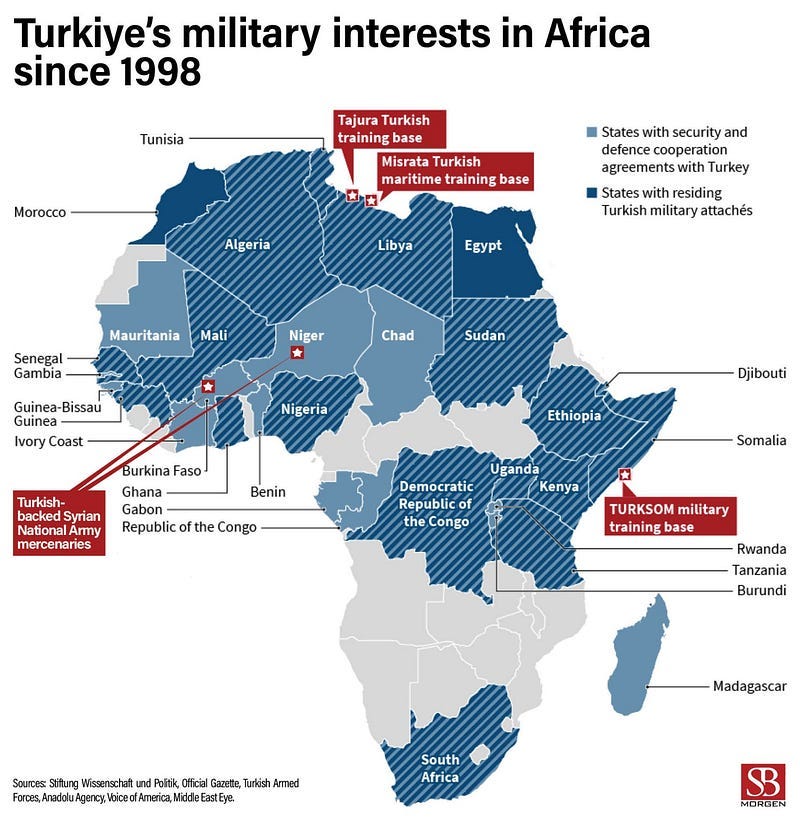
The problem began with Ethiopia’s attempt to unilaterally recognise the breakaway region of Somaliland earlier this year, drawing the ire of Somalia. In its decades-long quest to secure access to the Red Sea following Eritrea’s successful secession in 1993, Addis Ababa negotiated an agreement with Somaliland. Under this agreement, Ethiopia will gain access to the Red Sea through the Port of Berbera at a lower cost and with greater reliability. The deal involves a 50-year lease of a 20-kilometre coastal stretch, allowing Ethiopia to establish a naval base and develop a commercial port on the strategic Gulf of Aden. Unlike Djibouti, this area has not yet become a regional hub, offering Ethiopia a unique opportunity for growth and expansion. Somalia’s consternation at the deal led it to seek regional and foreign allies opposed to Ethiopia, one of which was Egypt, engaged in a longstanding conflict with Ethiopia over the construction of the Grand Ethiopian Renaissance Dam. Even after the expulsion of the Ethiopian envoy to Mogadishu, Somalia sought to de-escalate tensions by offering Ethiopia direct sea access, provided it negotiated directly with Mogadishu. Turkiye’s entry into the conflict could be seen as a restraining power on further Ethiopian actions. Ankara signed a defence and economic cooperation agreement with Mogadishu in February to counter Ethiopia’s move. This agreement authorised Turkiye to build, train and equip the Somali navy and reportedly defend Somalia’s territorial waters. Mediation gives Ankara even more leverage in the Red Sea and Horn of Africa following its successful influence expansion in the North. This will likely bring it into increased rivalry with Cairo, which has long considered these areas its primary zone of influence. While the prospect of war between Ethiopia and Somalia seems much reduced for now, the situation continues to put the Somaliland question in limbo, with Mogadishu’s deft diplomatic alignment successfully keeping its statelet further away from a gradually growing wave of international strategic interest.