
On a tightrope
The Economic and Financial Crimes Commission (EFCC) will arraign Binance officials Tigran Gambaryan and Nadeem Anjarwalla on five counts of…

The Economic and Financial Crimes Commission (EFCC) will arraign Binance officials Tigran Gambaryan and Nadeem Anjarwalla on five counts of money laundering. Anjarwalla escaped custody on 22 March and fled Nigeria. The arraignment will take place before the Federal High Court in Abuja. Anjarwalla, detained for alleged tax evasion, escaped during Ramadan prayers and is believed to have left via a Middle Eastern airline. The charge accused them of laundering $35.4 million and conducting specialised business of other financial institutions without a valid licence between January 2023 and January 2024 in Abuja.
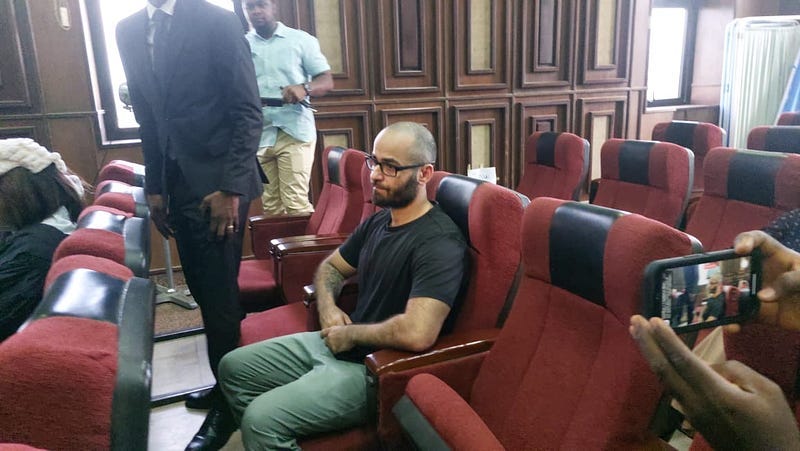
The circumstances leading up to the arrest of the two executives paint the picture of a government in dire, sinking economic straits looking for a lifeline amid the Naira’s poor performance. The naira’s weakness against stronger and in-demand currencies can be attributed to factors other than a peer-to-peer foreign exchange on a decentralised platform like Binance. Failure to tackle underlying issues such as high tariffs for exports and tight export controls has meant distractions such as accusations of speculations will take precedence over more substantial issues. Furthermore, the circumstances behind Mr Anjarwalla’s “escape” seem questionable. His departure from Nigeria appears to have been carefully orchestrated. It could align with the conspiracy theory that he was permitted to leave the country as a way for the government to save face, given their lack of determination to follow through on their pledge to prosecute him. Also worth mentioning is the absence of a response from the US government regarding the arrest considering the US’s history of intervening or advocating for its citizens and businesses abroad. However, this silence may be partly attributed to the strained relationship between the US government and Binance. In February 2024, Binance faced charges from the US government for violating anti-money laundering laws, leading to the CEO, Changpeng Zhao, pleading guilty. The US Department of Justice’s investigation found Binance culpable for lacking an effective anti-money laundering programme and facilitating transactions for individuals and entities on US sanctions lists. Given the US government’s focus on regulating cryptocurrency and ensuring compliance with anti-money laundering laws, any apparent discord with other countries enforcing similar regulations could be perceived as contradictory. Nevertheless, the Nigerian government’s pursuit of justice and economic security must align with international legal standards, with due respect for the arrested executives’ human rights, considering that the arrest of the two Binance heads raises concerns about the regulatory environment for cryptocurrency exchanges in the country. The Nigerian government has to ensure that the arrest is not politically motivated or intended to stifle innovation in the cryptocurrency sector.