
On e-payments
Electronic payment transactions in Nigeria surged by 86.44% in the first half of 2024, reaching ₦566.39 trillion, compared to ₦303.60…

Electronic payment transactions in Nigeria surged by 86.44% in the first half of 2024, reaching ₦566.39 trillion, compared to ₦303.60 trillion during the same period in 2023, according to Nigeria Inter-Bank Settlement System data. July 2024 recorded the highest transaction value at ₦89.50 trillion, nearly double the ₦47.39 trillion in July 2023. June 2024 saw ₦79.59 trillion in transactions, while May, April, and March recorded ₦87.48 trillion, ₦75.32 trillion, and ₦83.05 trillion, respectively. February and January also experienced significant increases, with ₦79.33 trillion and ₦72.11 trillion, respectively, compared to the previous year.
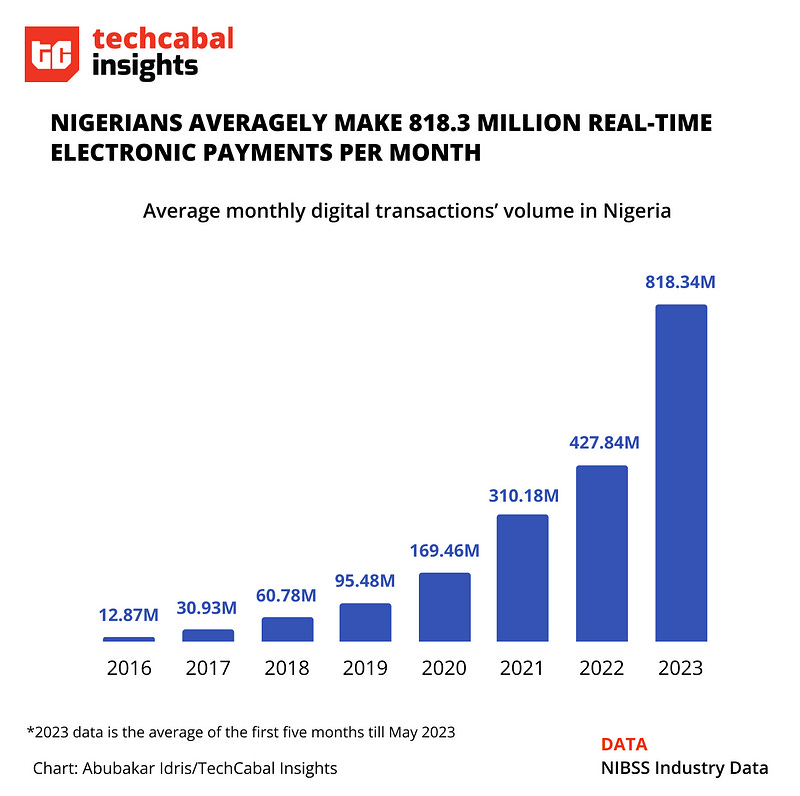
The increase in electronic payments is not surprising given the rising teledensity rate and number of internet subscribers. Since the currency redesign policy, more consumers have shifted towards using electronic banking channels for financial transactions. The bulk of those transactions usually comes from mobile transfers. Although the increase was expected to be higher, the rising cost of transactions due to inflationary pressures has impacted the volume’s growth. With Nigeria’s rising youthful and tech-savvy population, the volume of real-time payment transactions is projected to hit 8.9 billion in 2027 from 5.1 billion in 2022, according to ACI Worldwide. Noteworthily, the growth in e-payment transactions is a prime example of where regulation meets business in an impactful way. Various financial inclusion targets driven by electronic payments were set out by the Central Bank of Nigeria (CBN) from the mid-2000s. Despite some detours along the way, the CBN has remained committed to this long-term goal. This commitment has spurred significant growth in existing players like Interswitch and given rise to new giants such as Paystack, Flutterwave, OPAY, and Moniepoint. Ultimately, Nigeria’s payment landscape has transformed, featuring widespread adoption of online and point-of-sale payments, along with the payment wallets that support them.