
On hold
The Senate has suspended action on President Bola Tinubu’s four proposed tax reform bills and paused public hearings to address public…

The Senate has suspended action on President Bola Tinubu’s four proposed tax reform bills and paused public hearings to address public concerns. A special committee, including senators across party lines, has been formed to engage with the executive branch and resolve the issues, with a meeting scheduled for Thursday. The bills — Joint Revenue Board of Nigeria, Nigeria Revenue Service, Nigeria Tax Administration, and Nigeria Tax — aim to ease the tax burden on 90% of Nigerian workers. They earlier passed a second reading after Senate Leader Opeyemi Bamidele presented them, with Taiwo Oyedele, Chairman of the Fiscal Policy Committee, explaining their objectives.
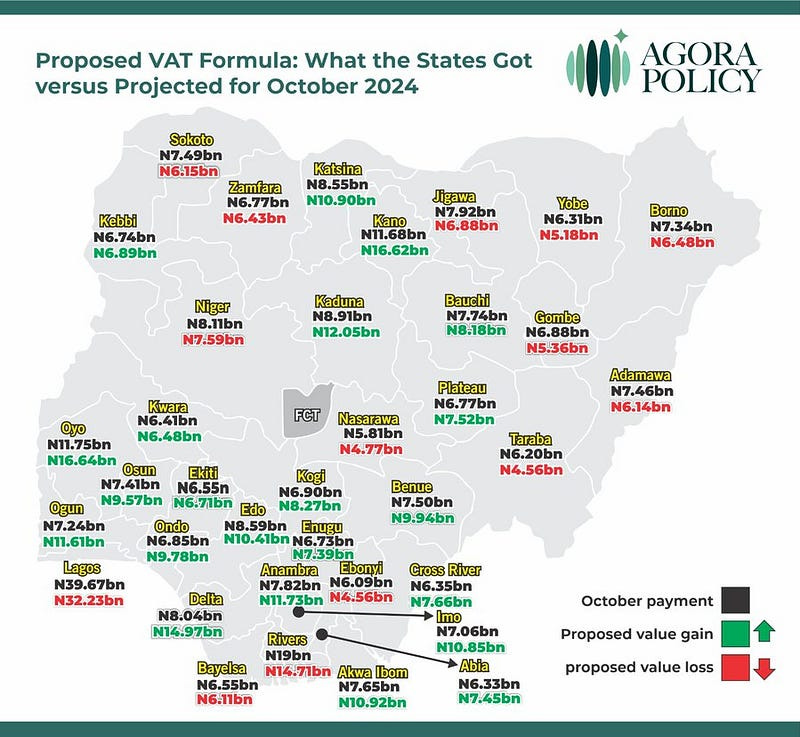
The suspension of action on President Bola Tinubu’s proposed tax reform bills highlights the complexity of implementing fiscal changes in a politically and economically challenging environment. While the bills aim to reduce the tax burden for 90% of Nigerian workers and streamline tax administration, their temporary hold reflects the Senate’s effort to balance reform with public concerns. If implemented, these reforms could provide much-needed relief for low and middle-income earners by reducing tax pressures, potentially improving disposable incomes and consumer spending. This is especially critical in a country grappling with inflation and high living costs. The creation of specialised bodies like the Nigeria Revenue Service and Joint Revenue Board is poised to modernise tax collection and curb leakages. These reforms could enhance government revenue without overly relying on crude oil earnings, aligning with Tinubu’s broader push for economic diversification. Furthermore, by reducing tax evasion and making compliance easier, these bills could broaden Nigeria’s tax base and fund infrastructure, healthcare and education. However, this hinges on efficient implementation and public buy-in. Nonetheless, important risks remain. The interplay between federal and state tax systems remains a critical hurdle. A streamlined framework must account for Nigeria’s diverse and decentralised tax administration, ensuring compliance without alienating state governments. Taxation and distribution of tax proceeds are always guaranteed to be a contentious issue. It was inevitable that the discussions would be politicised. Already, some states and federal lawmakers in key state economies are baulking at some of the radical proposals, raising the stakeholder engagement issue. The pause in legislative proceedings suggests significant public scepticism or knowledge gaps about the reforms’ details. As the Senate has now suspended hearings until the new year, it gives time for the necessary political engagements and horsetrading to pass the bills. The political authorities — the presidency, the coordinating minister of the economy, everyone, need to be overt and clear to get the consultations through and support the work Mr Oyedele has done to finetune the bill and pass it. Engaging stakeholders more thoroughly could bolster public trust in Tinubu’s administration or highlight latent opposition, depending on how concerns are addressed. The formation of a bipartisan special committee indicates that the Senate is cautious, likely due to the high stakes of fiscal reforms amid economic challenges. Moving forward, the success of these bills will depend on transparent communication of their benefits, adjustments to accommodate public input, and the government’s ability to address systemic inefficiencies. Aso Rock has an opportunity to redefine Nigeria’s fiscal landscape, but its ability will rest on balancing urgency with inclusivity.