
On retirement
The National Pension Commission (PenCom) has said that about 466,812 disengaged workers have withdrawn ₦201.2 billion from their Retirement…

The National Pension Commission (PenCom) has said that about 466,812 disengaged workers have withdrawn ₦201.2 billion from their Retirement Savings Accounts (RSA), amounting to a quarter of their savings. About 13,126 job losers withdrew around ₦12.72 billion in the first quarter of 2023, in addition to the ₦188.51 billion withdrawn by 453,686 job losers throughout 2022. New data from the National Bureau of Statistics (NBS) show that total collections from company income tax (CIT) declined by -15% year-on-year (y/y) and -38% q/q to ₦469 billion in Q1 ’23.
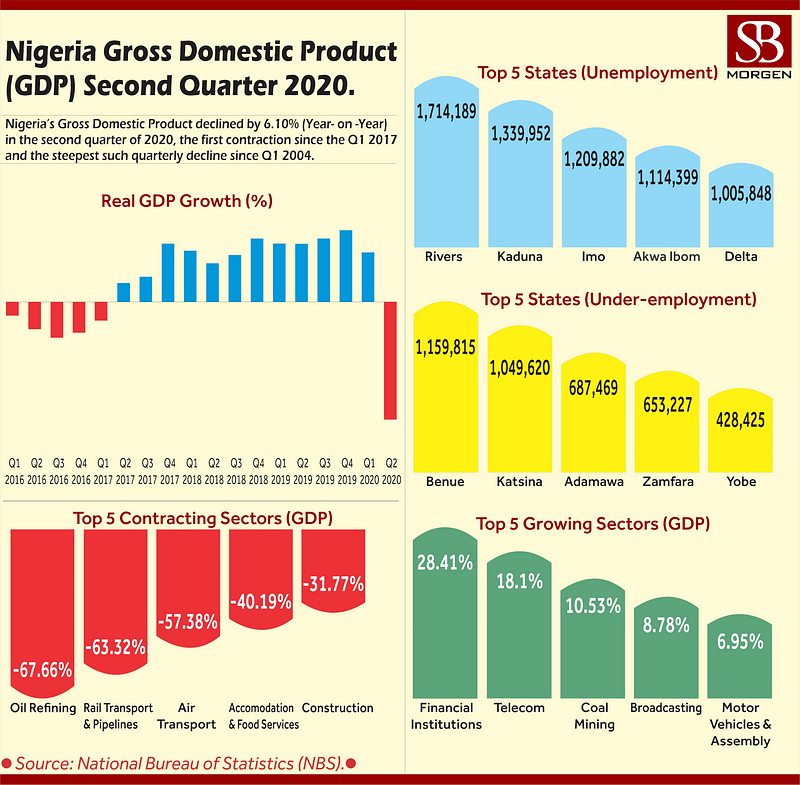
Since the Nigerian pension system was revamped with the passage of the Pension Reform Act (PRA) 2004, that industry appears to be facing its greatest challenges yet. The unemployment surge has seen many workers lose their jobs and take out portions of their pension savings while government officials and legislators push to direct the pension funds towards infrastructure development without ensuring proper structures have been put in place to secure workers’ hard-earned savings. Furthermore, retirement savings accounts allow people to save money for retirement, and this money is part of an economy’s overall investment stock, so when job-losers withdraw money from their retirement savings accounts, and use it for upkeep instead of investment, the economy’s investment stock drops. This means that Nigeria has ₦210 billion ($275 million) less available for investment which does not help the drive towards job creation. The withdrawals also reduce retirement savings and force people to work longer, a costly proposition not only for the health of these workers but also for the country’s health sector. The growth in company tax receipts is positive and points to the strong performers in the Nigerian economy. One concern is agriculture, which is about a quarter of GDP and employs over half the labour force. The problem with the sector is that Nigeria still largely practices subsistence farming, in which nearly all the crops or livestock raised are used to maintain the farmer and the farmer’s family, leaving little for sale or trade. Today, with widespread insecurity, climate change and limited policy support, most farmers are worse off than their parents. Conclusively, the data tells the story of the real-world effect of the economic downturn on Nigerians. Irrespective of methodology tweaking that may impact the upcoming unemployment numbers, the reality is this — getting Nigerians working has to be one of the key priorities of the new administration. As cost of living pressures mount due to the flow-through effect of its policies, Aso Rock is on borrowed time to ensure that households under pressure do not become restive.