
On secession
Through a press statement, the Indigenous People of Biafra has said that it is now ready to negotiate with the federal government on a…

Through a press statement, the Indigenous People of Biafra has said that it is now ready to negotiate with the federal government on a peaceful exit of Biafra from Nigeria through a United Nations-supervised referendum. The pro-Biafran group said the peaceful agitation for Biafra Independence started in 2012 without violence or criminality, but the federal government has continued attacking its members. On Saturday, the group’s spokesman, Emma Powerful, said IPOB has lost over 5,000 members and properties worth over $1 billion due to the extreme use of force from Nigeria’s security forces.
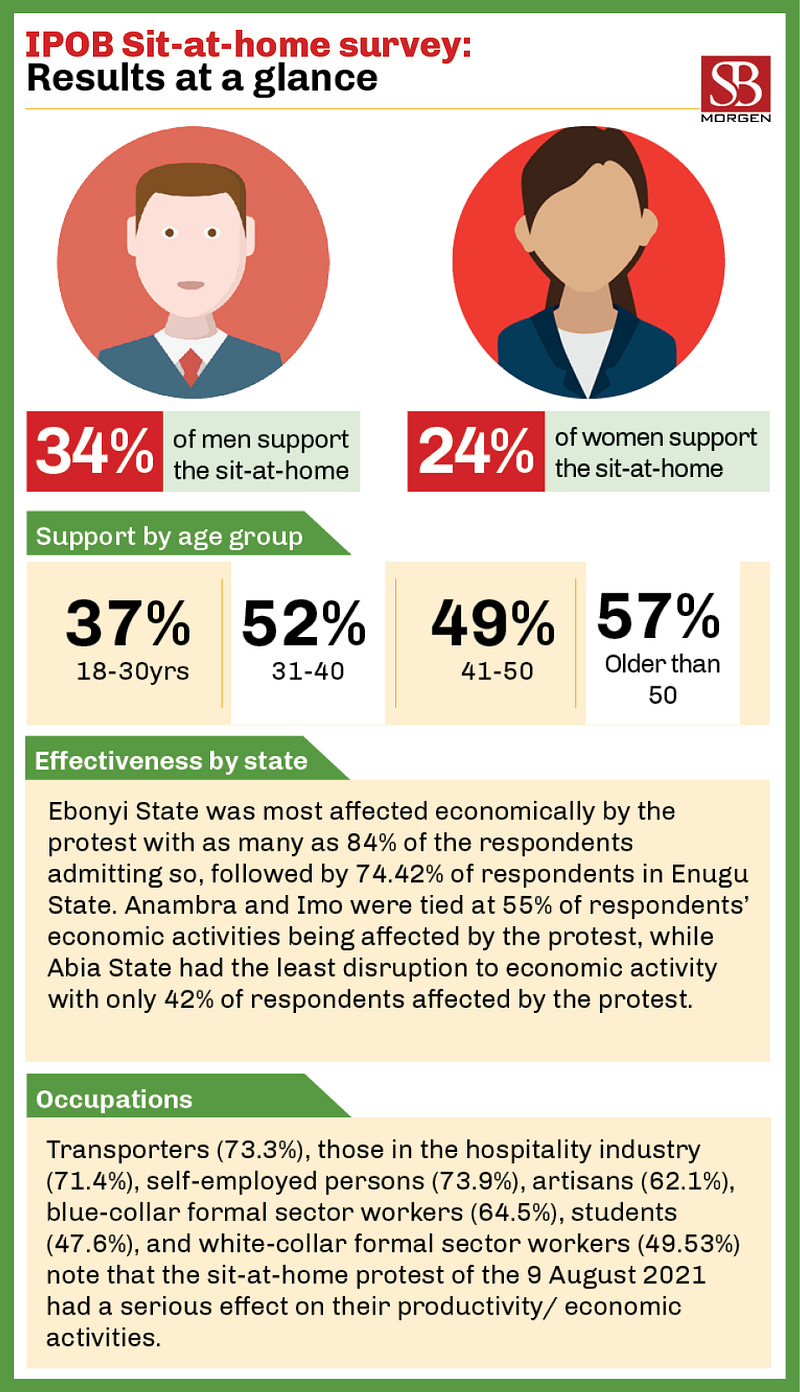
IPOB is correct that its agitation began peacefully until it got radicalised in 2017 by the Buhari Administration’s crackdown. However, it is important to note that IPOB is refusing to accept responsibility for its part in the violence in the South East. The group is currently factionalised across ideological lines and was violent before the split between Emma Powerful and Simon Ekpa’s factions. IPOB is trying to take advantage of international law, but it is unlikely to succeed. The Nigerian government has shown no willingness to allow international intervention in a matter it considers domestic. Also, it has limited ability to influence negotiations. The lack of an acknowledged state and established diplomatic standing diminishes its bargaining strength. Over the course of history, the Nigerian government has consistently shown unwavering commitment to preserving the country’s unity, which has translated into a reluctance to engage in discussions concerning secession or disintegration. Movements advocating for secession, such as the various pro-Biafra groups, have encountered staunch opposition. Past attempts to initiate dialogues with separatist groups in Nigeria have yielded meagre results. IPOB fails to see that its support in the region is grossly overestimated, so it may not get the support it needs to legally engage the Nigerian government for a secession. There is also no guarantee that the Nigerian government will respect the results of a majority vote to secede given its long history of treating agreements as mere suggestions. The matter of Biafra’s independence extends beyond national borders, involving intricate regional and international dynamics. The attitude and disposition of the international community is negatively predisposed to the introduction of another state, let alone a potentially unstable new African state. While IPOB seeks a United Nations-supervised referendum, the Nigerian government enjoys the support of regional and international allies who view secessionist movements as destabilising and are likely to support the government’s efforts to maintain unity. Many Nigerians may not endorse Biafra’s secession, which significantly shapes the government’s decisions and actions. The Nigerian government will most certainly disregard IPOB’s communications and continue to employ military measures to counter the group’s activities. This, unfortunately, may perpetuate tensions and violence, making a peaceful resolution an elusive goal. In whichever way one looks at it, the message is clear: IPOB is clearly not reading the room.