
On the grill
Bandits abducted Aondo Ver, a director of the Federal Housing Authority, in his home near a military base in Pambara, in the Bwari Area…

Bandits abducted Aondo Ver, a director of the Federal Housing Authority, in his home near a military base in Pambara, in the Bwari Area Council Abuja. The Senate has stated that it would grill Service Chiefs on February 7 and 8 regarding national insecurity. Senator Tokunbo Abiru. The Committee Chairman said the planned interface with the CBN Governor, Olayemi Cardoso, would hold on Friday since Wednesday and Thursday have been slated for the grilling. The Senate summoned Service Chiefs to explain the deteriorating security situation, while the Committee on Banking summoned the CBN Governor to address the economy and Naira’s stability.
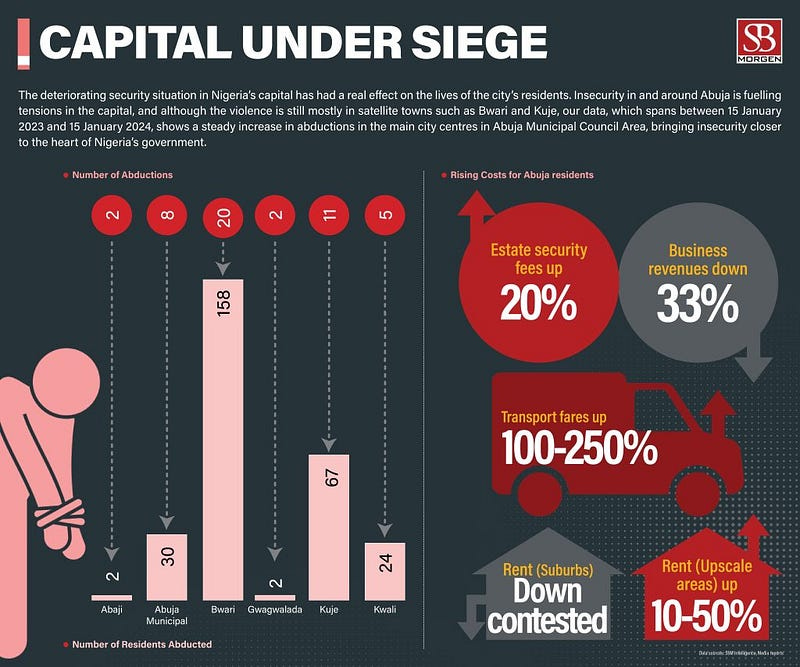
The recent audacious abduction of a Federal Housing Authority director in Abuja, mere metres away from a military base, throws into sharp relief the frightening vulnerability of Nigeria’s capital city to bandit attacks. This latest incident, taking place within the supposed security blanket of the federal government, comes after another stark reminder―the daring prison break in the Federal Capital Territory, carried out by bandits, which resulted in the release of many detained terrorists. These events not only raise questions about the effectiveness of security measures but also point towards deeper issues regarding political will and the need for structural reform. Why is this happening? Several factors contribute to the FCT’s susceptibility. First, there is a spillover from regional insecurity: Bandits operating in surrounding states like Kaduna, Niger and Nasarawa increasingly target the capital, particularly its rural areas. Also, ungoverned spaces and porous borders facilitate bandits’ movement and hinder effective intelligence gathering. While Abuja has a strong security presence, gaps in coverage and resource allocation leave certain areas vulnerable. Poverty, unemployment and lack of opportunities in rural areas make individuals susceptible to recruitment by bandit groups. Critics argue that the APC government’s response has been insufficient and inconsistent, despite deploying troops and resources. Moreover, there is little guarantee that the planned grilling of the service chiefs will yield a difference in the situation on the ground. To begin with, the Tinubu administration has not offered groundbreaking, novel initiatives to combat the security crises. Announcements made to make the FCT safer such as the repainting of public buses, the inauguration of the special intervention squad and others are not exactly new ideas. A lot of what troubles Nigeria is structural. At the core of the mounting security challenges is the structure of security which is not fit for purpose, but was designed for political ends. One issue is the excessive centralisation of policing, which state governments have attempted to bypass by establishing vigilante groups. However, this solution has been largely ineffective due to the centralised authority over arms importation held by the National Security Adviser’s office. Regional and state security initiatives such as Amotekun, for one, have suffered from poor equipment, amid fears that the permission of sophisticated arms will make the country unsafe. Furthermore, the grilling of the armed forces leadership also shows a fundamental problem: the use of the military in internal security operations has diminished their value. In saner climes, the responsibility for maintaining security should lie with the police, the Nigerian Security and Civil Defence Corps, and other domestic paramilitary agencies. However, the military has taken on additional policing duties, which has hindered the much-needed reform of the police force and left them inactive. Therefore, the upcoming Senate Armed Forces Committee meeting is unlikely to bring about any significant change, as there is no real incentive for security chiefs to perform well since poor performance does not lead to dismissal. The government has been accused of lacking a comprehensive and well-coordinated approach that addresses the root causes of banditry. Allegations of corruption within the security forces and mismanagement of resources further undermine the effectiveness of counter-banditry efforts. For many kidnap victims and those affected by other security crises, Friday’s meeting is just another empty gesture, intended to make it appear that the government is doing something to address the situation, while in reality, no real progress is being made. Unless real and meaningful action is taken, the cycle of crisis and inaction will continue.