
On the list
Nigeria’s President Bola Tinubu has finally sent his much-anticipated list of ministerial nominees made up of 28 persons to the senate for…

Nigeria’s President Bola Tinubu has finally sent his much-anticipated list of ministerial nominees made up of 28 persons to the senate for screening and confirmation. President Tinubu’s request was contained in a letter read by Senate President Godswill Akpabio on the floor of the upper legislative chamber yesterday, 27 July. Femi Gbajabiamila, chief of staff to the president, brought the list while the plenary was underway. Among the nominees from the presidency were Nyesom Wike, Nasir el-Rufai, David Umahi and Atiku Bagudu, the immediate past governors of Rivers, Kaduna, Ebonyi and Kebbi states, respectively.
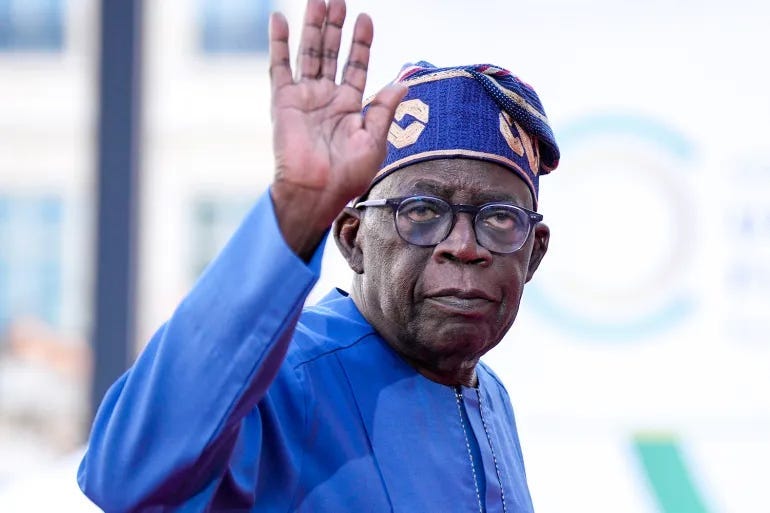
President Bola Tinubu has unveiled his list of ministerial candidates, comprising various individuals with a diverse mix of backgrounds and experiences. As he seeks to build a cabinet that can effectively govern the country, it is evident that Mr Tinubu has considered both political loyalty and technical competence. But contrary to the much-touted technocratic cabinet that has been said to be the reason for the President’s foot-dragging with the ministerial list, the names represent a cabinet that is clearly more about politics and politicking than expertise. The list includes prominent party loyalists from regions where the All Progressives Congress (APC) has faced challenges, such as Abubakar Momoh, Ahmad Dangiwa and Hannatu Musawa. These selections indicate an effort to strengthen political alliances and ensure representation from areas where support for the APC needs to be bolstered. The presence of Nyesom Wike, a prominent member of the opposition Peoples Democratic Party (PDP), on the list raises eyebrows. While some may interpret this as a move to foster inclusivity and cooperation, it also raises concerns about potential compromises and the weakening of the opposition’s voice within the administration. To complement the strengths of the ministerial candidates, there have been suggestions that high-end special assistants might support ministers lacking specific technical skills or vision. While such support can be beneficial, it remains crucial to ensure that the core leadership possesses the necessary expertise to tackle the country’s complex challenges. Among the other candidates on the list, Muhammad Badaru, Nasir el-Rufai, Ekerikpe Ekpo, Nkiru Onyejiocha, Olubunmi Ojo, Stella Okotette, Uju Ohaneye, Bello Goronyo, Dele Alake, Lateef Fagbemi, Mohammad Idris, Olawale Edun, Waheed Adebanwo, Imaan Ibrahim, Ali Pate, Joseph Usev, Abubakar Kyari, John Enoh, and Abubakar Danladi, there is a mix of political experience and technical expertise. Early analysis suggests that 11 states, including the big voting blocs of Kano and Lagos, have no representative nominee, which is short of the constitutional bar that prioritises broad national representation. The President’s minders will seek to ameliorate that in a supplementary nomination list. In pursuing a capable and balanced cabinet, the Tinubu administration must prioritise the country’s interests and ensure that ministers are chosen based on merit, competence and the ability to deliver on promises. Striking the right balance between political considerations and the urgent needs of the Nigerian people will be the key to a successful and effective government. Nigerians are eager to see tangible results and progress, and a well-rounded cabinet will be instrumental in achieving these goals under Tinubu’s leadership. The early indications, though, are that the direction of this administration would be more of politics than governance.