
On your marks
Ghana's new president returns after a hiatus to a financial crisis.

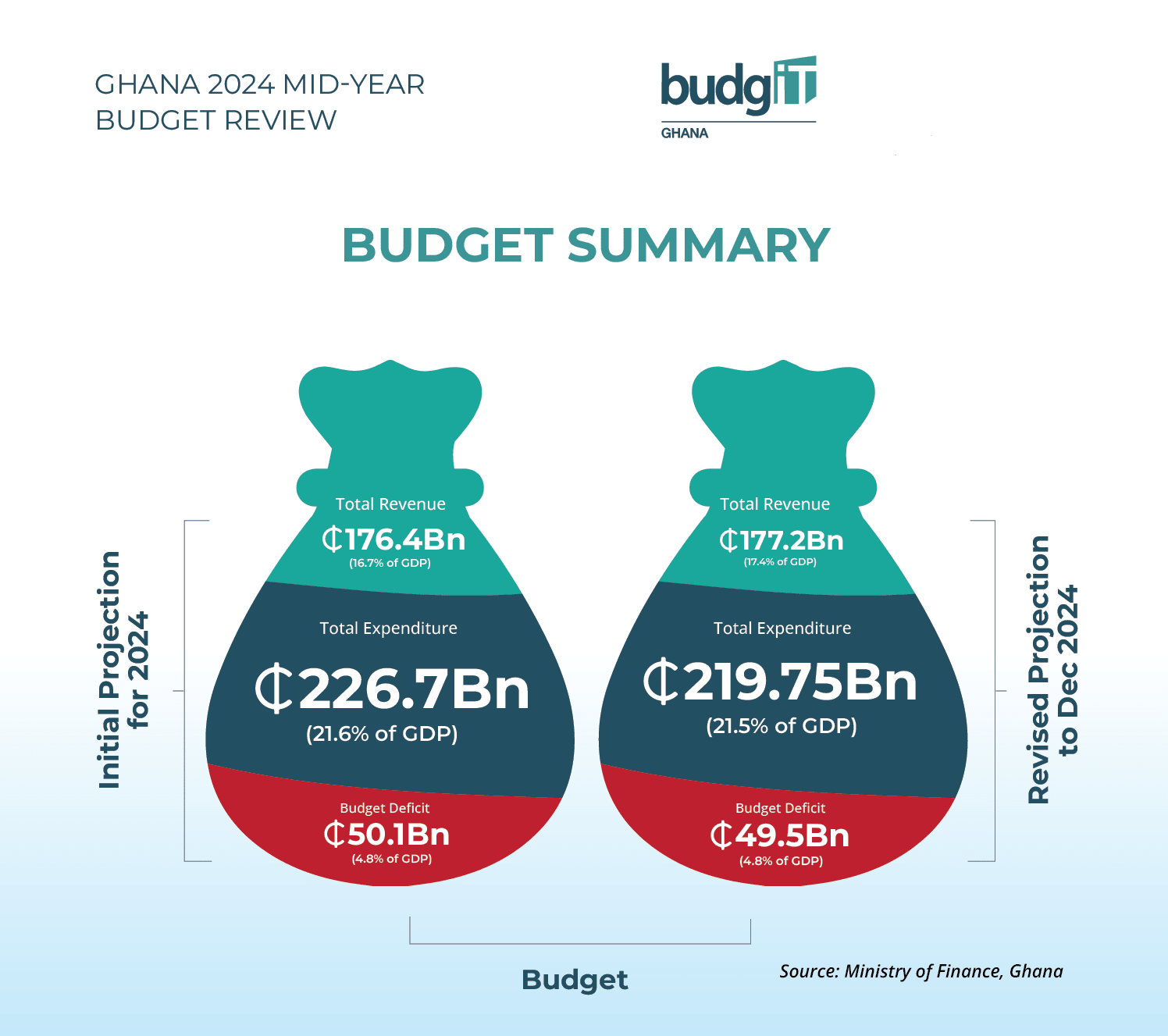
Ghana’s reelected President John Dramani Mahama began his second term with a poignant inaugural address, highlighting the shifting global landscape and its implications for Ghana. He emphasised the need for Ghana to align its economic strategy with global trends to secure sustainable growth. Meanwhile, a few days before, the outgoing finance minister, Dr Mohammed Amin Adam, presented the Expenditure in Advance of Appropriation to Parliament, outlining plans to cover government operations from January to March 2025. The proposed mini-budget, valued at GH¢68.1 billion ($4.6 billion), was designed to address essential government expenses, ensuring the state's smooth functioning until the incoming administration presents its full-year budget for the remainder of 2025.
Ghana’s fourth president, who transitioned to become the country’s sixth this week, faces a formidable task in raising revenue to fund the West African nation’s escalating expenditure bill. President John Dramani Mahama, on his first day in office, was confronted with an urgent demand from the Ghana Grid Company Limited (GRIDCo). He must secure approximately $90 million to address the country’s looming power crisis caused by the West African Gas Pipeline Company's planned pigging exercise from 20 January to 16 February.
Ghana’s underperforming revenue streams compound the challenges. Key sectors like cocoa fell short of expectations in the just-ended fiscal year. Meanwhile, the government’s access to capital remains constrained, with Treasury Bills as one of the few viable options following the collapse of the domestic bond market due to the Domestic Debt Exchange Programme.
In addition to these fiscal hurdles, the Mahama administration is also weighed down by ambitious campaign promises that could further strain fiscal stability within his first 120 days in office. Among these pledges are the abolition of first-year academic fees for public university students and the scrapping of contentious levies, including the Electronic Transaction Levy (E-Levy), the COVID-19 levy, and betting taxes. He also plans to rationalise import duties, which could significantly impact the country's revenue base. Balancing these commitments with the pressing need for fiscal discipline will be a critical test for President Mahama’s administration.