
Opposition in disarray
PDP Senate Caucus rejected Atiku's coalition efforts, insisting alliances must be party-driven to strengthen the party for 2027.

The Senate Caucus of the Peoples Democratic Party (PDP) has rejected the coalition efforts led by former Vice President Atiku Abubakar. Abba Moro, the Caucus leader, stated that any such alliance should be driven by political parties collectively, particularly the PDP as the largest opposition party, rather than individuals. This stance echoes that of PDP governors, who previously distanced themselves from Atiku’s coalition moves, fearing it could weaken party unity. Atiku has been seeking to form a broad coalition, including figures like Peter Obi and Nasir El-Rufai, to challenge the APC in 2027. Despite internal divisions, the Senate Caucus urged PDP members to remain loyal and committed to strengthening the party.
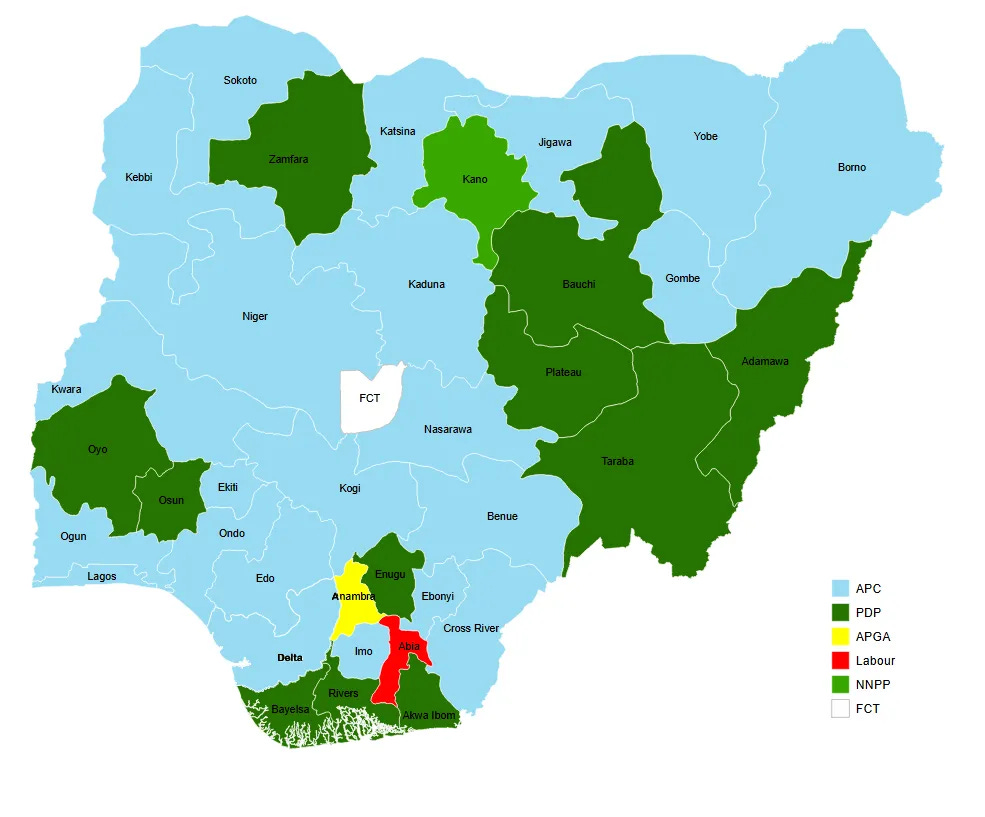
The PDP Senate Caucus's public rejection of Atiku Abubakar’s coalition-building efforts for the 2027 general elections reveals deep internal divisions within Nigeria’s main opposition party. The core of the dispute isn't about challenging the ruling All Progressives Congress (APC), but rather who should lead that challenge and under what conditions. Atiku Abubakar's strategy to form a broad anti-APC alliance with figures like Peter Obi and Nasir El-Rufai is theoretically sound, as a unified front will be vital to credibly challenge the APC's dominance.
However, the Senate Caucus's opposition, which echoes earlier reservations from PDP governors, stems from two main concerns. First, they fear Atiku is acting unilaterally, using the PDP as a personal vehicle rather than a collective platform. Second, by involving external actors without broad internal buy-in, he risks eroding the party’s institutional identity and weakening its electoral structure. These fears reflect longstanding tensions within the PDP regarding leadership, succession, and ideological coherence.
This resistance highlights the inherent contradiction of coalition politics in Nigeria: while alliances are often crucial for overcoming incumbency and regional fragmentation, they frequently collapse due to personality clashes, mutual distrust, and a lack of unified vision. The Senate Caucus's insistence on party loyalty over individual-led initiatives suggests a preference for internal consolidation before external negotiations. Atiku’s outreach to Peter Obi, a former PDP member now leading the Labour Party, and Nasir El-Rufai, a controversial figure who has now left the ruling party, further complicates matters for many PDP loyalists, who see them as threats to the party's opposition dominance.
Ultimately, the Senate Caucus's intervention reflects a tension between pragmatism and principle. While Atiku is right to seek broader alliances to boost the opposition's prospects, his approach risks alienating the crucial party machinery. The PDP faces a crossroads: it must decide between internal restructuring and a risk-laden coalition strategy that could reshape its identity. Complicating this choice is the political self-interest of key PDP stakeholders; as the country's second most popular party with a significant number of governorships, the PDP is unlikely to accept a junior role in any coalition, even if prevailing political realities demand such a concession.