
Passing the buck
Kenyan President William Ruto, at an event in the Rift Valley town of Nakuru, accused the US-based Ford Foundation of sponsoring “anarchy”…

Kenyan President William Ruto, at an event in the Rift Valley town of Nakuru, accused the US-based Ford Foundation of sponsoring “anarchy” and funding anti-government protests. Political chaos has gripped Kenya due to initially peaceful Gen-Z-led protests against tax hikes, which have escalated into a broader campaign against Ruto’s administration, leading to many deaths as the police fired live bullets on protesters. Amid this conflict, the President announced the dismissal of almost his entire cabinet and consultations, including the attorney-general, after reflecting on public feedback and evaluating their performance. However, the prime cabinet secretary and foreign minister, Musalia Mudavadi and Deputy President Rigathi Gachagua were excluded.
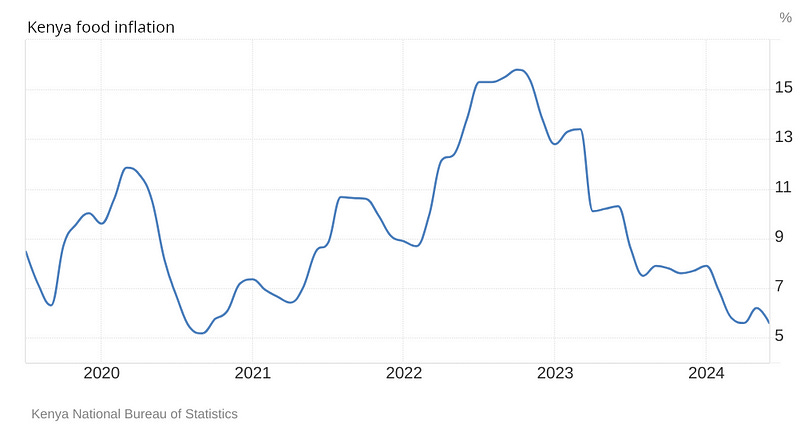
Mr Ruto has resorted to a familiar tactic used by many authoritarian leaders to deflect criticism: blaming international institutions for popular unrest. The irony is that while he points fingers at international enemies, another international institution — the International Monetary Fund (IMF) — is widely considered responsible for the austerity measures that plunged Kenya into chaos. Ruto’s presidency has been marred by a lingering legitimacy deficit, compounded by a cabinet widely regarded as one of the weakest in Kenya’s history. The administration’s perceived arrogance, disconnect from the people, and inadequate service delivery have fuelled widespread frustration. Real incomes have declined, squeezed by a stagnant economy, inflation, and increased taxation, while public services, particularly education and healthcare, have deteriorated. The cabinet reshuffle may provide Ruto with a temporary political reprieve, but it remains uncertain whether he will prioritise competence and effective governance. Indications suggest he may opt for a “unity government,” incorporating individuals from across the political spectrum, potentially perpetuating intra-elite collusion and neglecting the structural reforms demanded by protesters. Such a move risks exacerbating public anger and triggering further demonstrations. At the heart of Ruto’s challenge lies a severe fiscal crisis, which cannot be resolved by merely creating an ethnically representative cabinet. Kenyans demand tangible results in service delivery and economic performance, marking a significant shift in the country’s political landscape. The old playbook of Kenyan politics, reliant on ethnic representation and elite alliances, no longer suffices. Ruto’s next moves will be crucial in addressing the nation’s grievances and restoring faith in his administration. However, the repression that marked the bloody day of 25 June suggests this is a battle of endurance. Ruto’s disruptive history, if anything, weakens his ability to find allies to keep him in office long enough.