
Pension default
Only six states — Edo, Ekiti, Kaduna, Lagos, Ondo, Osun — and the Federal Capital Territory (FCT) have fully implemented the Contributory…

Only six states — Edo, Ekiti, Kaduna, Lagos, Ondo, Osun — and the Federal Capital Territory (FCT) have fully implemented the Contributory Pension Scheme (CPS) as of the end of June 2023, according to the National Pension Commission (PenCom)’s 2023 second-quarter report. Twenty-six states have yet to join the scheme fully. The report indicated that many were not implementing the CPS established by PenCom, but continued under the old scheme called the Defined Benefits Scheme. In a related development, BudgIT said 15 Nigerian states have not yet implemented the ₦30,000 workers’ minimum wage since it became law in 2019.
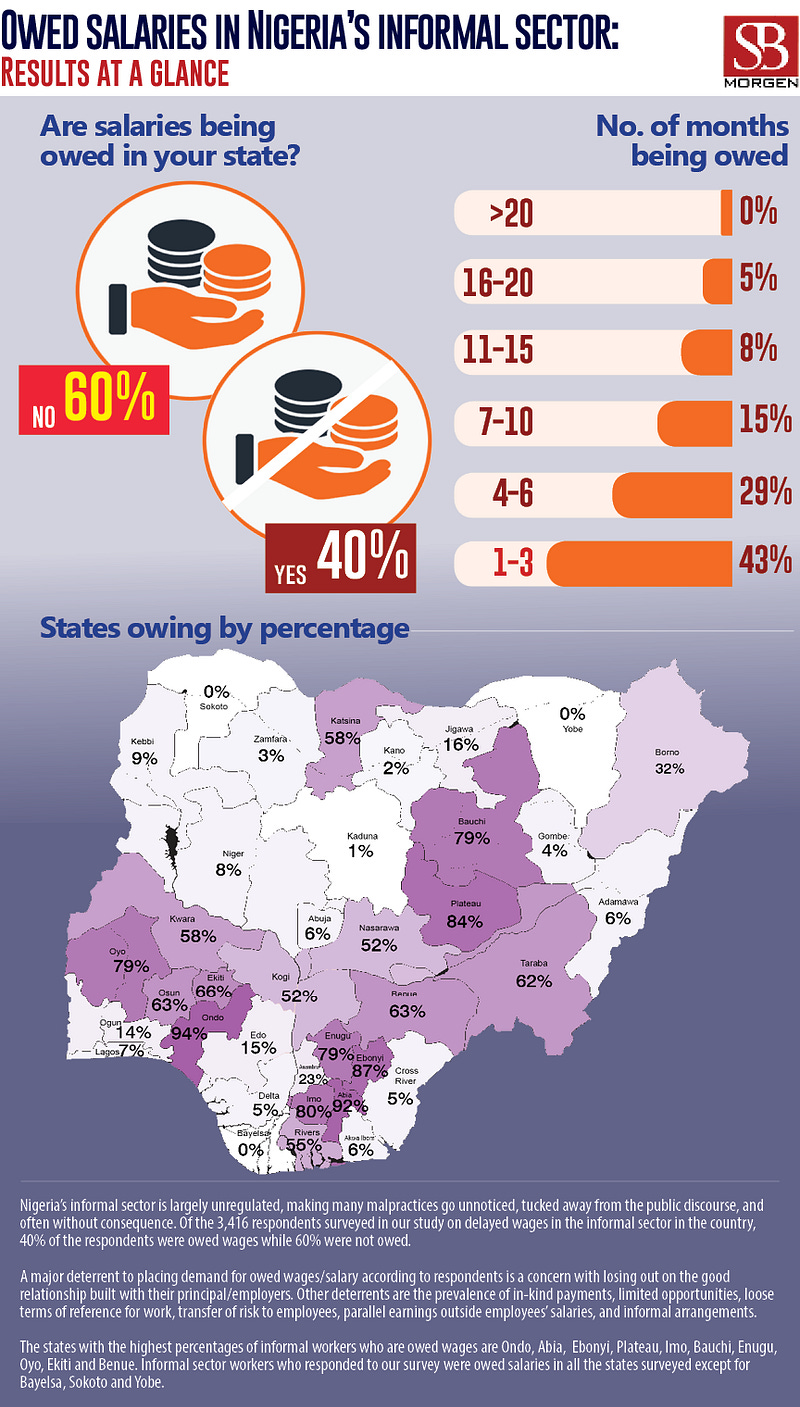
In 2004, President Obasanjo signed into law the Pension Reform Act (PRA 2004), reforming Nigeria’s failing pension industry by transiting from the Defined Benefit Scheme (DBS) to the Defined Contribution Scheme (DCS) for most workers. Whilst there have been some challenges, the transition has been largely successful and total pension assets were estimated to be ₦16.76 trillion ($12.99 billion) as of June 2023. Over the years, a major challenge for the PRA has been getting states and local government areas to sign on to the DCS. Sadly, about 26 states remain outside the scheme, meaning that workers who retire from active service have to rely on the benevolence of the government in office to pay their pension benefits. As we have repeatedly seen, these pensions are often unpaid. Under the CPS, the employer and employee are to contribute monthly funds to the employee’s Retirement Savings Account (RSA). Contributors who are no longer employed and have not attained the retirement age of 50 years can apply to withdraw up to 25% of the value of their RSA. It has been 19 years since the CPS was introduced in Nigeria, yet 70% of states have not fully implemented it for their workers. Four years after the federal government approved the ₦30,000 ($23.26) monthly minimum wage, 15 out of 36 states are not paying the appropriate salaries to workers. Yet, all three tiers of government receive monthly allocations from the Federation Accounts Allocation Committee. This situation clearly shows the spending priority of state governments and the importance attached to the welfare of staff who are also citizens. The level of accountability and transparency citizens demand from the federal government must be replicated at the state and local government levels.