
Playing from the same sheet
The Deputy Speaker of the House of Representatives, Rep Benjamin Kalu, has announced plans to introduce legislation aimed at streamlining…

The Deputy Speaker of the House of Representatives, Rep Benjamin Kalu, has announced plans to introduce legislation aimed at streamlining the numerous revenue-collecting agencies. He also said a law would be enacted to eliminate multiple taxes in Nigeria effectively. Mr Kalu made these statements during a discussion at the World Bank Fiscal Governance and Institutions Project (FGIP) event in Abuja. In a related development, the Manufacturers Association of Nigeria (MAN) has urged federal and state governments to harmonise multiple taxes burdening businesses. Additionally, MAN called on the Central Bank of Nigeria (CBN) to lower interest rates on industrial loans and address FX issues.
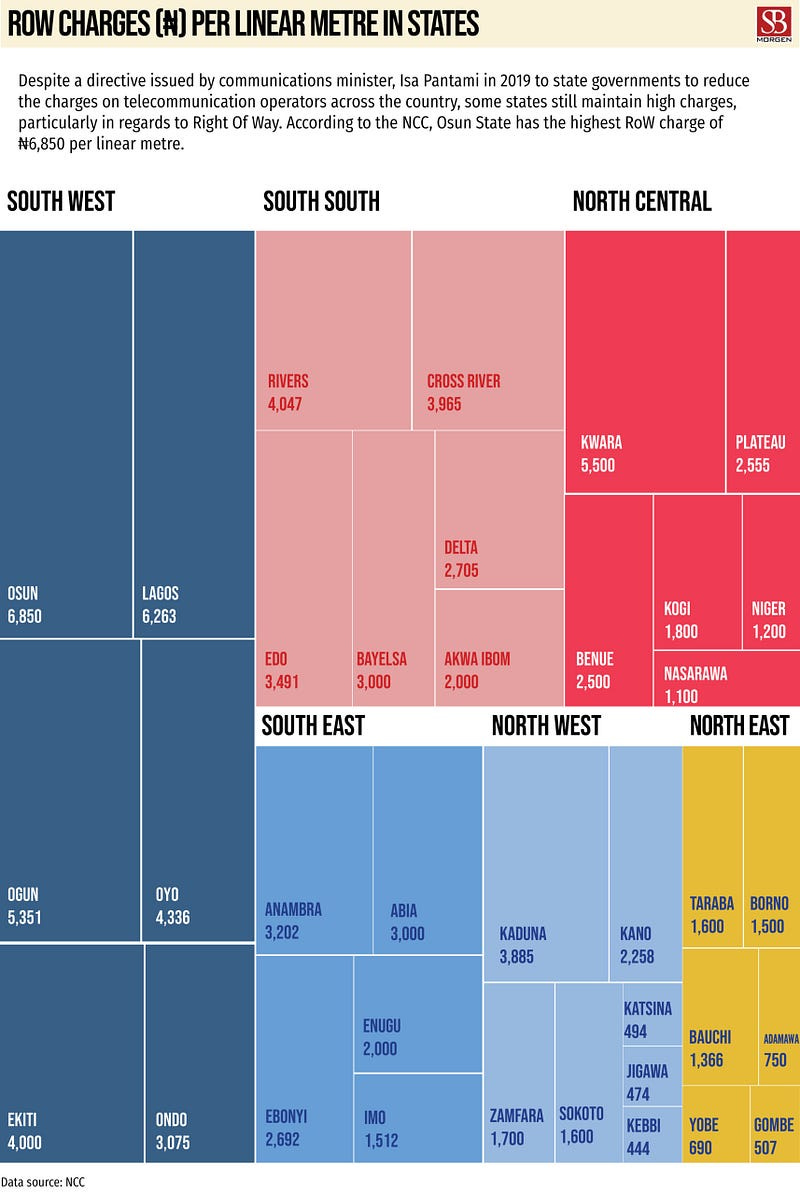
The most common concern expressed by our government sources is a lack of funding for many government priorities and programmes. This explains the focus on revenue generation that we have seen from both the executive and the legislative arms of government. However, the focus on extracting revenue from the existing tax base is straining businesses as MAN has complained about. Any survey of businesses in Nigeria will have multiple taxation as a fundamental challenge to doing business in the country. There are formal and informal taxes increasing the end prices for consumers. Take telecommunications in Kogi State, for example. Companies are made to pay up to 41 levies by the state government, including levies such as annual right of way renewal; social services contribution; employee economic development levy; mast site premises renewal; fire service yearly renewal; payment of environmental levy; failure to submit an environmental impact assessment report; failure to register industry; failure to submit environmental audit report every two years; storage of petroleum products and radioactive materials without written permission from the Kogi State Environmental Protection Board; failure to comply with setbacks to roads, power lines, and rivers/streams; and dumping of toxic or hazardous substances or hazardous substances or harmful waste without Kogi State Environmental Protection Board approval. This is just one sector in one state. When expanded to the rest of the country: well, do the math. Does eliminating multiple taxes, however, fall within the purview of the House of Representatives? What legislation can the lower house pass that will ultimately trickle down to the local and state government authorities that chase businesses down for taxes? Drilled further, the comments by Mr Deputy Speaker once again illustrate how lip service is paid to the issue of multiple taxation. Streamlining revenue collection to just a few agencies would bring Nigeria in line with practices in leading economies like the UK with His Majesty’s Revenue and Customs (HRMS) and the US with the Internal Revenue Service (IRS). This will lead to more efficiency, a reduction in institutional corruption and an all-round better experience for the general public. The big unanswered question is whether government apparatchiks will actually do the work.