
Plummeting reserve
In its recent report, JP Morgan estimated Nigeria’s net foreign exchange reserve to be around $3.7 billion, much lower than the reported…

In its recent report, JP Morgan estimated Nigeria’s net foreign exchange reserve to be around $3.7 billion, much lower than the reported $14 billion at the end of 2021. This was due to currency swaps and borrowings against the FX reserves. The bank, however, clarified it arrived at the $3.7 billion by making some assumptions which, if incorrect, will change the figure in their estimates. “FX forwards ($6.84 billion), securities lending ($5.5bn) and currency swaps ($21.3bn); and estimating currency swaps by backing out FX forwards and outstanding OTC Futures balances from an overall aggregate published in the financial accounts,” the report said.
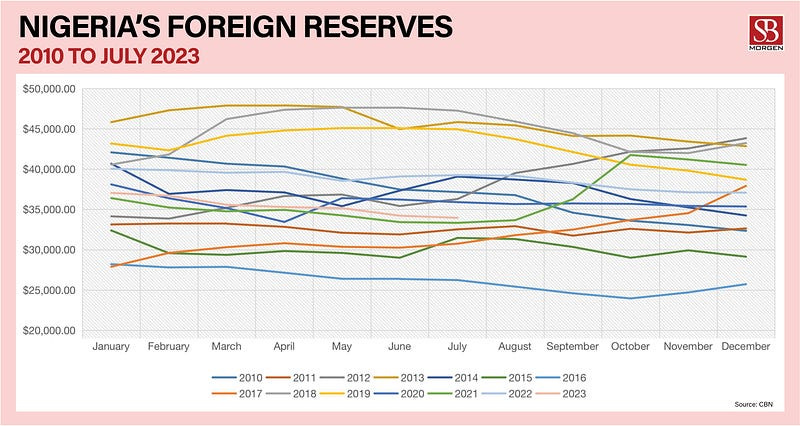
For months, analysts have been clamouring for the CBN to give details of the net foreign exchange reserve rather than the gross figure without getting a response. This is why a foreign bank is relied upon to make such a definitive statement about Nigeria’s foreign reserves when it should be completely within the CBN’s purview. JP Morgan’s estimate has sent shivers down the spine of Nigerians because the figure suggests that the country’s reserves are insufficient to fund the CBN’s short-term obligations, including import finance. Unavoidably, Nigeria’s low net foreign exchange reserves have several economic implications for currency stability, import costs, investor confidence, debt servicing for loans, lowered credit ratings from international agencies and borrowing costs for the government and businesses. Speculators may take this new revelation as a sign that the CBN cannot defend the naira, so much so that the currency could see significant depreciation over the next few weeks and months. Restoring confidence and trust in the CBN should be one of the most critical pursuits of the incoming CBN governor, and this can only happen by showing responsible monetary policy, resisting the temptation to fix fiscal issues with monetary policy, asserting CBN’s independence from the executive arm of government and ensuring full transparency of the CBN’s finances. This is a tall task, and considering Nigeria’s current political climate and Mr Emefiele’s precedent, President Tinubu will likely appoint a staunch loyalist whose primary aim will be to do the executive’s bidding.