
Populating jabs
The Global Vaccine Alliance (GAVI) has said it will provide 18 million doses of the malaria vaccine to 12 African countries over the next…

The Global Vaccine Alliance (GAVI) has said it will provide 18 million doses of the malaria vaccine to 12 African countries over the next two years, expanding access to nine new countries in the region comprising Benin, Burkina Faso, Burundi, Cameroon, the Democratic Republic of the Congo, Liberia, Niger, Sierra Leone and Uganda. An additional malaria vaccine is also being reviewed, which could offer further supply in the near term, WHO chief Tedros Ghebreyesus said. Ghana, Kenya and Malawi have been part of a pilot program since 2019, with over 1.7 million children receiving the RTS,S vaccine developed by GSK.
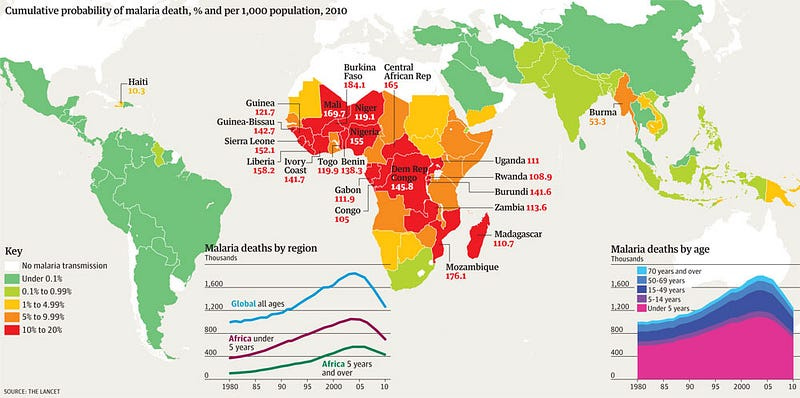
Going by the World Health Organisation’s data, four countries accounted for just over half of all malaria deaths globally in 2022: Nigeria (31.3%), the Democratic Republic of the Congo (12.6%), the United Republic of Tanzania (4.1%) and Niger (3.9%). Nigeria accounted for an estimated 38.4% of global malaria deaths in children under five. Nigeria’s record shows the tethering outcome of several anti-malaria programmes, which have not done enough to reduce malaria infections and deaths. One silver lining in that gloomy picture comes from the increase in local production of malaria medications, which have helped reduce mortality in infants and adults. This vaccine takes the pressure off government programmes, especially with its partnerships with aid agencies. However, it gets a little dark in the area of possible misinformation that may arise from vaccine sceptics. Despite Nigeria’s long history of vaccine programmes and campaigns, the coronavirus pandemic exposed the fault lines between Nigeria’s digital citizens and Western anti-vaccine campaigns. In 2020, the partnership between government/aid agencies and religious organisations, which successfully eradicated diseases like measles and poliomyelitis, was disrupted. This disruption occurred as conspiracy theories that fuelled anti-vaccine campaigns were spread from the pulpit. Nigeria’s government, like others who would receive the vaccine, has struggled to contain the deluge of misinformation in the digital space, but the good news is that it has a little over six months to enact a strategy to counter the expected false information.