
Power struggles
The Nigerian government has halted further transfer of regulatory oversight of the electricity market to state governments. Power minister…

The Nigerian government has halted further transfer of regulatory oversight of the electricity market to state governments. Power minister Adebayo Adelabu announced this at the eighth edition of the Africa Energy Market Place (AEMP) Nigeria, in Abuja, last Friday. He added that the transfer of regulatory oversight will be piloted in selected states across the geopolitical zones in the country while noting the peculiarities in each zone. He said that representing each zone in the pilot and allowing it to run for three to twelve months will reflect all possible issues, which will be addressed before granting further regulatory autonomy.
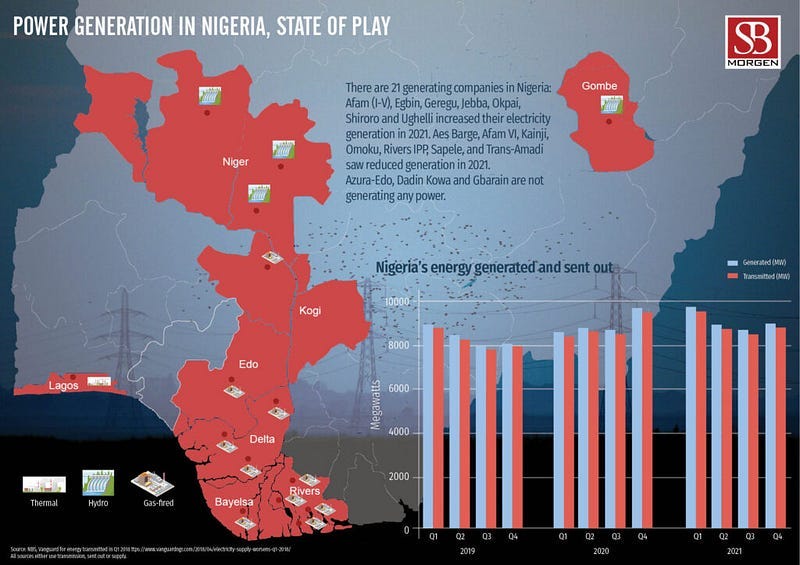
A major hindrance to achieving a functional power sector has been policy flip-flops. The legislation to transfer regulatory oversight to states was passed in 2023 to much celebration and anticipation. Since then, the minister has failed to communicate a clear implementation framework with necessary stakeholder mobilisation across the country, something a more energetic minister would have done. Even now, no clear framework has been provided. For a crucial national need like power, this should be unacceptable. This latest bickering over the transfer of regulatory oversight does not help alleviate consumers’ suffering. The major issues remain poor transmission infrastructure to evacuate power from generation stations, poor metering and non-cost reflective tariffs. Power is currently at record high prices and low availability, yet the minister cannot seize the initiative and drive the implementation of a law that can remedy that. The lawmakers have delivered. It remains squarely on the executive to use the tools available now to deliver. Ideally, a pilot programme with a few states, like Lagos or Kano, could have been implemented to assess challenges and design an effective model for nationwide implementation. This cautious approach would have identified and addressed potential issues before a large-scale rollout. However, the current pause offers an opportunity to establish a well-defined pilot programme. By carefully selecting states that represent Nigeria’s diverse geographical and socio-economic realities, the pilot can provide valuable insights into the potential benefits and drawbacks of decentralised oversight. The learnings from this programme can then be used to design a sustainable model for an electricity market across the country. By decentralising regulatory oversight, states would have greater autonomy to tailor solutions to their specific needs and attract investment in power generation. This could lead to a more diversified energy mix, improved infrastructure, and ultimately, a more stable and affordable power supply for Nigerian citizens and businesses.