
Raw business
Nigeria spent at least ₦2.4 trillion ($321 million) on raw materials imports in 2022 and exported raw materials to the tune of ₦ 1…

Nigeria spent at least ₦2.4 trillion ($321 million) on raw materials imports in 2022 and exported raw materials to the tune of ₦ 1 trillion, leaving a deficit of ₦1.4 trillion, according to data from the National Bureau of Statistics (NBS). Statista reported that raw materials imported into Nigeria amounted to more than ₦1.9 trillion. In 2020, around ₦1.4 trillion worth of raw materials was imported, which followed the upward trend observed since 2018. Major imports during this period included cane sugar from Brazil, odiferous substances from Ireland and Swaziland, and milk preparations from Ireland and Malaysia.
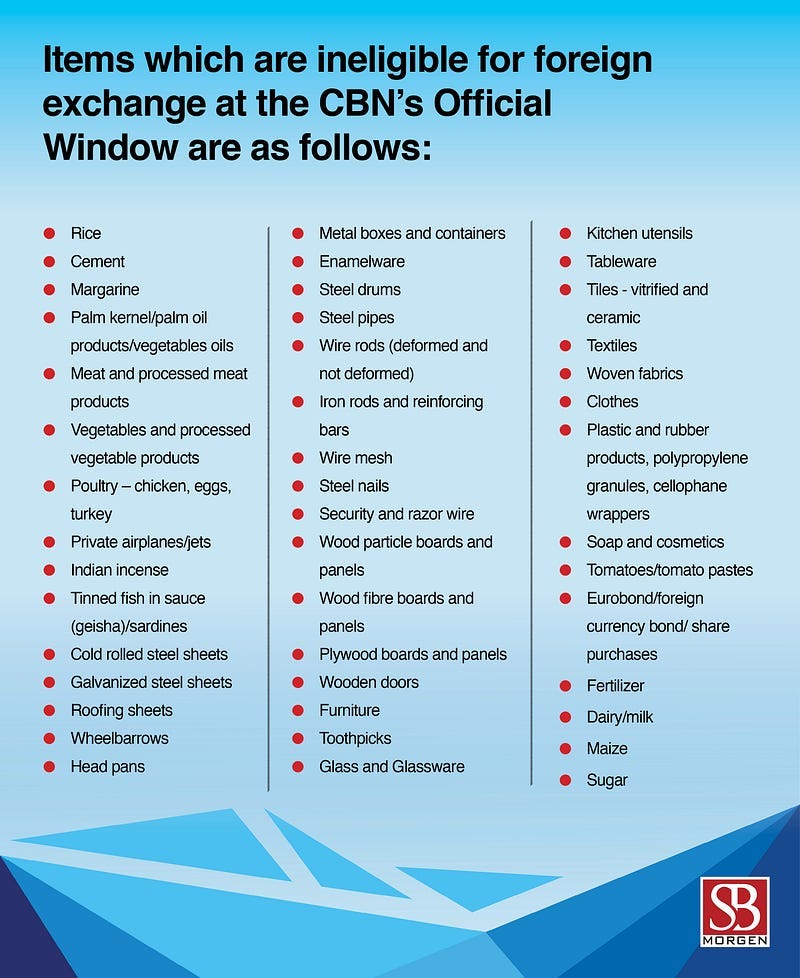
Nigeria’s high raw material imports reflect demand by manufacturing firms looking to localise production, and an economic jargon referred to as “backward integration.” The Buhari administration has driven producers, especially those in the food production space, to ensure their finished goods are produced locally. Nigeria’s raw material import bill has swelled since 2018, less than three years after it placed more than 40 items from accessing foreign exchange in June 2015. The regulator said it intended to encourage the production of these items in Nigeria. However, the new revelations about raw materials importation question the sense in the 2015 forex restrictions. The three materials that now top the importation ticket are concentrated in the food and beverage industry. They are sugar cane, milk preparation and odoriferous substances. Data on sugar consumption and production reported by the Sugar Development Council from 1990–2020 puts 2007 as the year Nigeria produced its highest amount of sugar cane — 55,000 tons. This is a massive shortfall from the 1,258,996 tons consumed that year. Even though the country’s population does not consume as much milk as it needs, Nigeria cannot meet the World Health Organisation’s recommended dairy consumption. A 2021 Tribune publication references the Nigerian Food and Agriculture Organisation Director as saying that the country consumes, on average, eight litres of milk, as against the globally accepted threshold of 210 litres. Despite the low consumption, Nigeria has a dairy production gap of around a million tons that needs to be met either by finished goods or the importation of enough materials to meet demand. Since the importation of these resources ballooned, raw material export has not caught up. The CBN would, however, claim that Nigeria has rarely had an annual balance of trade deficits. Between 2016 and 2022, Nigeria has only recorded a deficit balance of trade thrice, in 2016, 2020 and 2021. As usual, that balance is propped up by oil and gas sales because crude oil alone has contributed at least 70% to total exports in these seven years. While tracking data on raw materials import and export is useful, what is more useful is to ascertain if imported materials are being processed with value added to them either for domestic consumption or for re-export. Nigeria underperforms mostly in the re-export of processed products; therefore, policymakers and the government need to focus on that. The emphasis on how much raw materials are imported causes policymakers to embark on bans that wreck more economic havoc than unlock any latent value. For a country whose large population primarily engages in farming, trading and producing raw goods, this data shows that we are a net importer of raw materials is sobering. Nigeria needs to go back to basics to utilise its considerable human and material resources efficiently and productively.