
Reality check

Ghana’s President-elect, John Dramani Mahama, has pledged to maintain the $3 billion IMF rescue package while reviewing it to reduce wasteful spending and enhance the energy sector. He aims to address inflation and currency depreciation to ease the nation’s cost-of-living crisis. Mahama clarified that renegotiating the IMF programme means making adjustments within its framework, not abandoning it. While the deal has spurred growth and halved inflation, Mahama seeks further measures to alleviate economic hardship. Additionally, he assured Ghanaians that his administration would responsibly handle the National Democratic Congress’s parliamentary majority, promising inclusivity and consultation with the opposition New Patriotic Party.
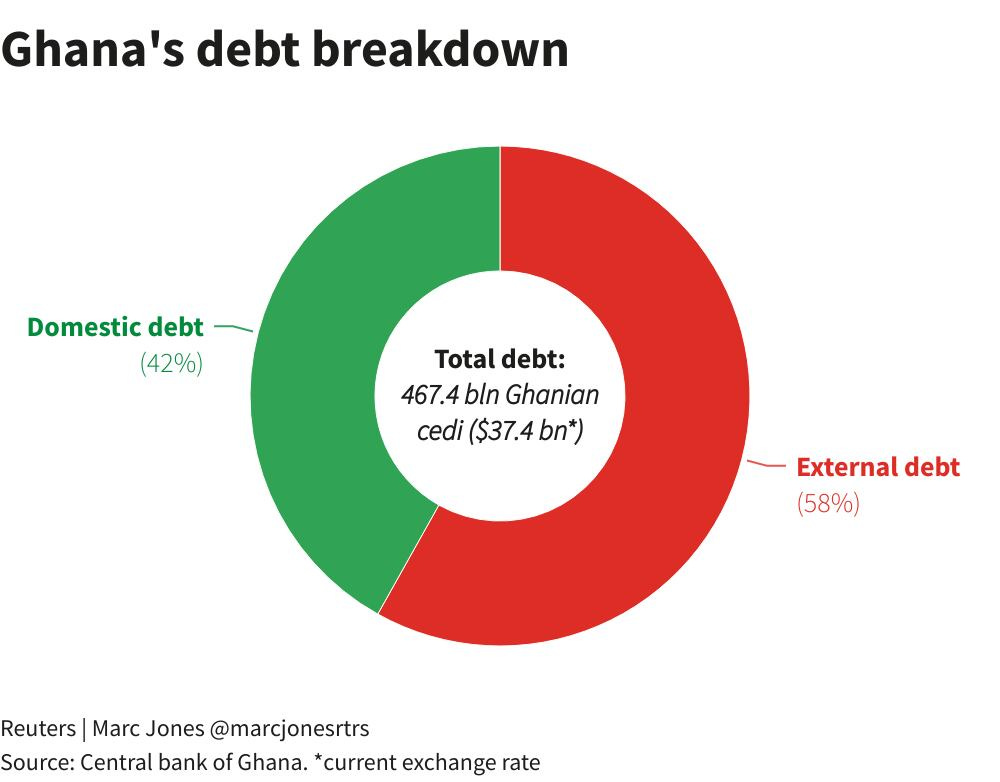
Ghana’s ongoing IMF programme presents a complex challenge, and any attempt to renegotiate it will require careful strategic planning. The stakes are high, so renegotiations could either pave the way for long-term fiscal independence or deepen the country’s economic difficulties. Ghana’s debt crisis, compounded by its inability to meet debt servicing obligations without straining its revenue base, makes it nearly impossible for any government to promise an 'economic honeymoon.'
This wouldn’t be the first time Ghana has sought to renegotiate an IMF programme. In 2018/2019, the Akufo-Addo administration renegotiated the sixteenth IMF programme, initially set up in 2015 under John Mahama’s government. That renegotiation led to an extension of the programme’s end date, setting a precedent for similar adjustments. However, the current seventeenth programme under the Extended Credit Facility (ECF) is far more intricate. It aims to rebuild Ghana’s economic indicators, including its severely depleted external reserves, which, by the end of 2022, could barely cover one month of imports. Unlike its predecessor, this programme is deeply intertwined with an ongoing debt restructuring exercise that has imposed significant losses on both domestic and external creditors. At the bilateral level, Ghana secured a debt moratorium until 2026 and persuaded Eurobond holders to accept substantial haircuts on principal and interest payments.
Despite these measures, Ghana remains heavily burdened by its debt overhang, with most debt servicing obligations deferred until 2025/2026. Bilateral creditors have warned that further debt restructuring may be unattainable if Ghana fails to utilise this current reprieve effectively. The type of renegotiation a Mahama-led government might pursue remains uncertain. However, the next four years seem daunting, given looming debt servicing obligations, underperforming revenue streams, and the stagnation in key foreign exchange earners like cocoa. Mahama’s campaign promises of significant tax cuts further complicate the fiscal outlook, potentially reducing the government's ability to generate the revenue needed to meet these obligations. If Mahama’s administration intends to renegotiate the IMF programme, it will likely focus on easing some of the stringent conditions agreed upon by the Akufo-Addo government.
However, this won’t be straightforward. The IMF will expect Ghana to demonstrate a clear commitment to fiscal discipline and structural reforms, particularly in improving revenue mobilisation and reducing expenditure inefficiencies. To navigate these challenges, Mahama’s government will need to develop a credible plan that balances immediate economic relief with long-term sustainability. This could involve strengthening public financial management, diversifying the economy, and ensuring that any tax cuts are accompanied by measures to expand the tax base. Equally critical will be restoring investor confidence, which the debt restructuring process has shaken. John Dramani Mahama’s approach to Ghana’s $3 billion IMF rescue package reflects a pragmatic stance on the country’s economic challenges while demonstrating a commitment to fiscal responsibility. By affirming that the programme will not be abandoned but rather reviewed, Mahama signals continuity with the outgoing administration’s economic recovery strategy, tempered by a focus on addressing inefficiencies and aligning the deal with Ghana’s current realities. This approach balances honouring international commitments and responding to domestic needs, especially in the face of persistent inflation, currency depreciation, and the ongoing cost-of-living crisis.
While the IMF deal has helped halve inflation and stimulate economic growth, Mahama’s emphasis on easing economic hardship reflects a people-centred governance philosophy focused on the well-being of ordinary Ghanaians. Politically, Mahama’s assurances to uphold democratic principles, despite the overwhelming parliamentary majority secured by the National Democratic Congress (NDC), reflect a commitment to inclusive governance. His pledge to consult the New Patriotic Party (NPP) at every step is a significant gesture toward fostering bipartisan collaboration in a polarised political environment. This promise aligns with his broader commitment to democratic governance and consensus-building, which will be critical in navigating the challenges of economic reform and social cohesion.
Mahama’s acknowledgement of the successes of the IMF deal, coupled with his commitment to recalibrate it, showcases a leadership style rooted in pragmatism and adaptability. His administration’s ability to balance international obligations with the realities of local socio-economic conditions will determine the success of these adjustments. Furthermore, his focus on tackling inflation and currency depreciation highlights his understanding of the macroeconomic tools needed to stabilise the economy and alleviate the cost-of-living crisis. Ultimately, Mahama’s promises signal a clear vision for a government that blends fiscal discipline with social responsibility, underpinned by democratic principles. By committing to an inclusive approach to governance and economic policy, Mahama sets the tone for leadership that seeks to unify the country while addressing its most pressing challenges.