
Resignation or removal?
Conflicting reports swirl around NNPC CEO Bayo Ojulari’s status, with claims of resignation, EFCC scrutiny, and presidential denials. No official statement has been issued.

Uncertainty surrounds the status of NNPC Group CEO Bayo Ojulari amid conflicting reports of his resignation and alleged links to controversial transactions involving Atiku Abubakar’s son-in-law. TheCable claims Ojulari is under scrutiny, while Punch reports the EFCC has received a petition against him. Conversely, Vanguard cites a presidential source denying his resignation. People’s Gazette alleged he was pressured to resign, though this remains unverified. Neither the NNPC nor the presidency has issued a formal statement, and the EFCC has not publicly addressed the matter. The situation remains fluid, and as of the time of writing, Ojulari’s position at the helm of the NNPC has yet to be clarified.
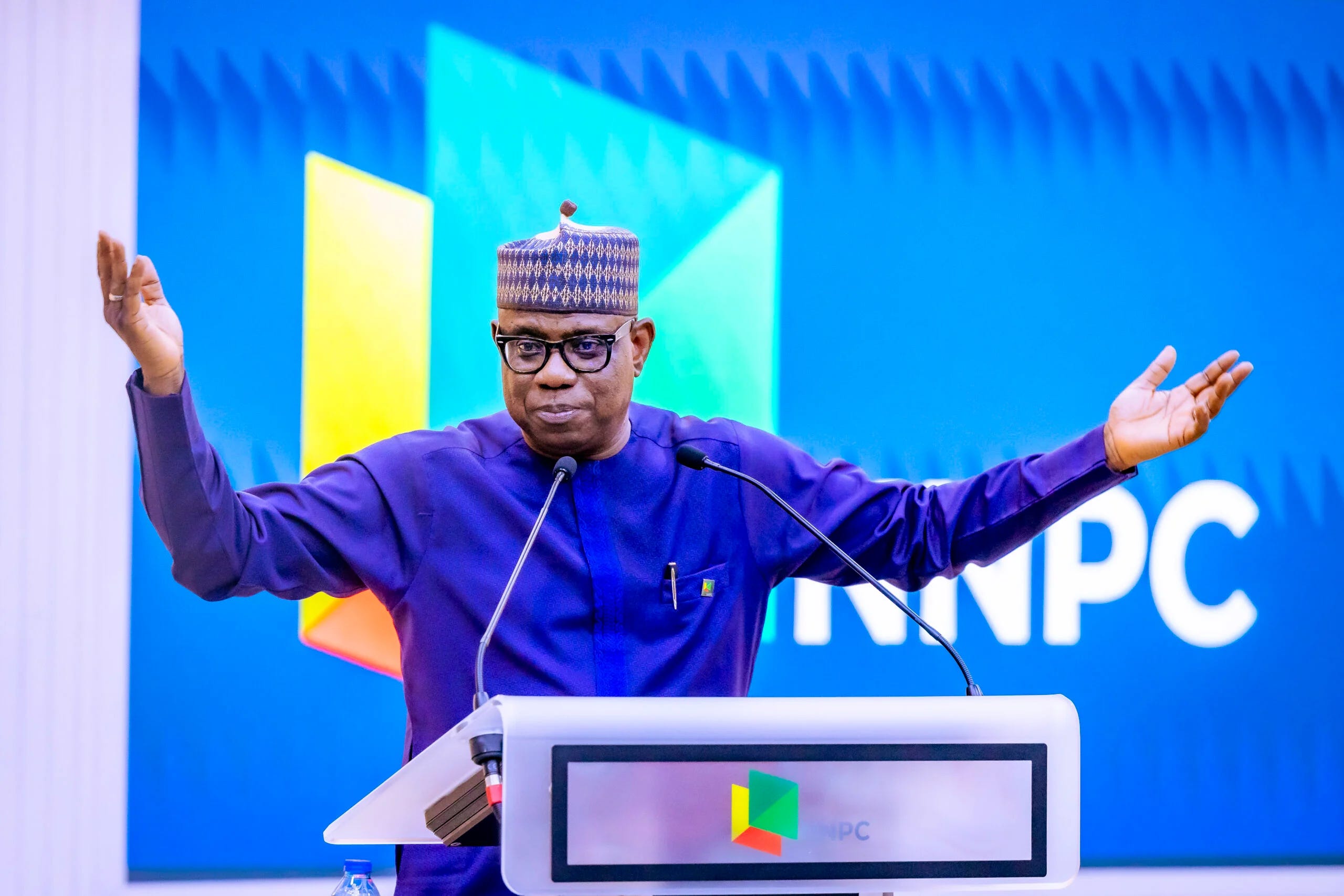
While the fate of the NNPC Group Chief Executive Officer remains uncertain, it is evident that serious efforts were made to remove him—efforts initiated without presidential authorisation. Those behind the move may have anticipated presenting his resignation to the President as a fait accompli. The whole affair highlights the significant challenges facing a leader tasked with transforming a state-owned company into a credible, investor-friendly entity.
Allegations circulated that the heads of the Economic and Financial Crimes Commission (EFCC) and the Department of State Services (DSS) coerced Ojulari into signing a resignation letter. These reports also mentioned his alleged ties to influential individuals. Both the EFCC and DSS have denied the accusations, calling them "false, defamatory, and damaging". While protesters delivered a petition to the EFCC demanding an investigation into Ojulari, these events fuelled rumours of his resignation and abduction, which agency spokespeople have dismissed as fabrications.
Amid the rumours, a presidential source reportedly denied his resignation. An online newspaper, People’s Gazette, alleged that he was pressured to resign, and as of the time of writing this, a formal statement from the NNPC or the Presidency has not been issued. Despite the public turmoil, Mr Ojulari continued with his duties and public engagements, suggesting no official resignation or removal had taken place, and crucially, the Presidency’s silence may suggest that he is likely to retain his position.
This political uncertainty carries significant implications. The NNPC's plan to enter the capital market requires transparency and stability. However, prolonged leadership uncertainty, fuelled by political manoeuvring, sends negative signals to domestic and international investors about the company's autonomy and the broader investment climate in Nigeria. Concerns about political interference can erode investor confidence in good corporate governance.
The ambiguity also risks paralysing reform efforts. Ojulari's efforts to reorganise the NNPC by replacing non-performing executives and enforcing transparency reportedly antagonised entrenched interests. These interests responded with attempts to undermine him, and continued uncertainty could allow internal resistance to stymie key initiatives.
The leadership crisis has also reignited public frustrations with the NNPC's history of opacity. This undermines public trust at a crucial time for ongoing reforms, including the controversial asset and liability audits.
In this volatile environment, Mr Ojulari needs to take several steps. He must communicate proactively, both internally and externally, to reassure staff and the investing public while clarifying the NNPC’s reform agenda. Strengthening corporate governance and compliance mechanisms is vital to insulating the company from political interference, and enhancing transparency with credible external auditors will help build market trust.
He must also navigate political realities carefully, seeking support from reform-minded government officials without alienating powerful interests who could sabotage his efforts. Accelerating visible reforms, such as improved remittances and progress toward an IPO, could rally public and political support. Given the volatility, having crisis contingency plans for leadership transition scenarios is also prudent.
In the end, this episode highlights the fragility of institutional reforms in a politicised environment. The sustained uncertainty around the NNPC’s leadership not only jeopardises Nigeria’s key reforms but also underscores the delicate balance required of its leaders: resilience, tactical political engagement, and an unwavering focus on transparency and performance.