
Rising tide
The Nigeria Hydrological Services Agency (NIHSA) has alerted Nigerians of potential floods as Cameroon’s Lagdo Dam management plans…

The Nigeria Hydrological Services Agency (NIHSA) has alerted Nigerians of potential floods as Cameroon’s Lagdo Dam management plans regulated water releases into Nigeria, starting September 17. The water flow will gradually increase from 100 to 1000 cubic metres per second over seven days to avoid exceeding River Benue’s capacity. NIHSA will monitor the flow to prevent major flooding. Meanwhile, heavy flooding in Nigeria’s Borno state caused 274 inmates to escape during a transfer to a secure facility, though seven were later recaptured. Over 1,000 deaths have been reported across western and central Africa due to flooding.
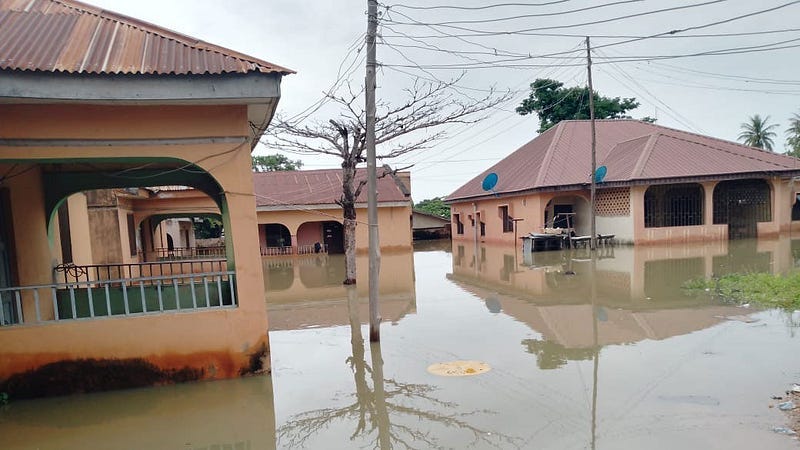
Since the month began, heavy flooding has affected many farmers and residents in the Northeast region. Most of the impacted states are significant food producers, a situation that could further threaten Nigeria’s food security. Akwa Ibom, Benue and Cross River share a border with Cameroon. These states are among the country’s top producers of staple foods like cassava. The recent NIHSA statement warning Nigerians of potential floods due to the regulated release of water from Cameroon’s Lagdo Dam is, therefore, timely, but it leaves much to be desired. NIHSA’s announcement, while outlining the release schedule and assuring that the agency will monitor the water flow, does not go far enough in addressing the long-term and preventative measures needed to mitigate flood damage. Nigerians deserve to know what additional steps NIHSA and other relevant bodies are taking beyond monitoring water levels. Are there plans to improve the country’s drainage systems, protect flood-prone communities, or strengthen early warning systems for those in danger zones? What efforts are being made to reinforce infrastructure and prevent situations like the catastrophic prison break in Borno State, where 274 inmates escaped after heavy flooding, compromising the prison’s security? Given the status of Borno State as the hotbed of Boko Haram attacks, it is concerning that these kinds of criminals are on the run. This escape threatens both regional and national security. Since 2020, there have been no fewer than 10 jailbreaks in Nigeria, with varying degrees of success. According to SBM’s data, 5,044 inmates escaped between 2022 and 2024. There has never been an incident where security forces successfully recaptured all escaped inmates. Given Nigeria’s well-known challenges in reclaiming fleeing prisoners, the focus must be on fortifying correctional facilities to prevent further escapes. In response to the surge of attacks on Nigeria’s jails between 2020 and 2022, the Ministry of Interior took steps to strengthen the facilities against such assaults, which helped reduce successful jailbreak attempts. However, a vulnerability remains in the ease with which inmates escape during natural disasters like floods. This prison break underscores the critical need for a proper citizen registration system, complete with biometrics and images. Had such a system been in place, tracking and recapturing escaped inmates would have been far more efficient, preventing further dangers to the public. Relying on traditional identification methods is woefully inadequate, especially during emergencies where large numbers of people are displaced, and systems break down. NIHSA, in collaboration with other agencies, must do more than issue warnings — they must take tangible actions that prevent flooding and mitigate its effects on vital national infrastructure. This is not just a matter of weather but of national security.